How to Transplant Tievine?
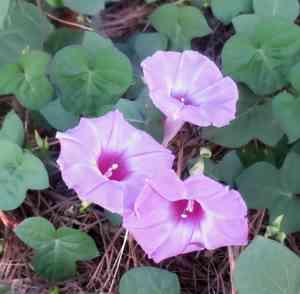
The most favorable period for transplanting tievine coincides with the spring renewal phase, when its growth capacity is at its highest. Select a location that receives ample sunlight to partial shade, and enhance the process with periodic transplanting advice to guarantee successful integration.
What Preparations are Needed Before Transplanting Tievine?
What is the Ideal Time for Transplanting Tievine?
The optimal period for relocating tievine is during spring's awakening, often called the vernal quarter. This ensures robust growth in the upcoming long days. Choosing this timeframe allows tievine to develop strong roots before summer's peak. Transplanting in this season of renewal also benefits from milder temperatures and nourishing rains, promoting healthy development in your tievine. A strong argument for this timely move is the plant's ability to adapt easily, leveraging spring's supportive environment to thrive.
How Much Space Should You Leave Between Tievine Plants?
When moving tievine, maintain a distance of approximately 2-3 feet (60-90 cm). This guarantees each plant has ample room to flourish. Don't worry, it might seem like a large gap initially, but tievine loves to spread!
What is the Best Soil Mix for Tievine Transplanting?
For tievine, a loamy or sandy soil type is most suitable. Blend the soil with a balanced base fertilizer, such as a 10-10-10, to supply essential nutrients. If uncertain, purchase pre-mixed soil, which is often ready for use.
Where Should You Relocate Your Tievine?
Tievine thrives in sunlight, so select a location that receives full sun for at least six hours daily. Ensuring adequate sun exposure will lead tievine to healthy growth and beautiful blossoms.
What Equipments Should You Prepare Before Transplantation Tievine?
Gardening Gloves
To safeguard your hands from dirt or injury while handling the plant and soil.
Shovel or Spade
Needed to excavate holes for the removal and placement of tievine.
Pot (if applicable)
To carry and move tievine if its original location is in a different container.
Watering Can
To hydrate the plant after its relocation.
Garden Trowel
Smaller than a spade, it's used for digging small holes and precise plant extraction.
Wheelbarrow
Useful for moving multiple plants, or for transporting larger specimens.
Organic Matter or Compost
To place in the hole before transplanting and to mix with the existing soil.
How Do You Remove Tievine from the Soil?
How Do You Remove Tievine from the Soil?
From Ground: Begin by watering tievine to moisten the soil and roots, facilitating easier removal. Next, dig around the plant using a shovel or spade, ensuring a wide perimeter to avoid damaging the root system. Once complete, gently slide the spade under the root ball and carefully lift it.From Pot: If tievine is in a pot, first water it. After about 15 minutes, tilt the pot sideways and tap it softly to ease the plant out, being careful not to pull it by the stem or roots.From Seedling Tray: Water the tray thoroughly beforehand, then tilt it slightly so the seedlings and soil slide out. Gently separate the tievine seedlings by carefully teasing apart their roots.
Step-by-Step Guide for Transplanting Tievine
Preparation
Clear the transplant site of any debris, weeds, or large stones. Prepare the planting hole; it should be roughly twice the width of tievineâs root ball and deep enough to plant at the same level.
Planting
Position tievine in the center of the hole. Ensure it is upright, then backfill the soil around it, pressing gently to make it firm (but not compressed).
Watering
Water tievine thoroughly immediately after planting.
Mulching
Apply a thin layer of organic mulch around the plant's base to help retain moisture and suppress weeds, but keep mulch away from the plant stem.
How Do You Care For Tievine After Transplanting?
Watering
Water tievine thoroughly after transplanting and continue until the plant is established. The soil should remain consistently moist, but avoid waterlogging.
Pruning
Encourage branching in tievine by pinching back or trimming the plants.
Weed Control
Keep the area around tievine free of weeds. They compete with the newly transplanted plant for water and nutrients.
Pests and Diseases
Regularly inspect tievine to ensure it's not affected by any diseases or pests. If any are found, consult your local nursery or extension service.
Troubleshooting Common Issues with Tievine Transplantation.
When is the best time to transplant tievine?
The most suitable period to transplant tievine is from early spring to late spring (S1-S3). This allows ample time for establishment before the summer heat.
How much space does tievine need when transplanting?
Each tievine plant should be spaced approximately 2 to 3 feet (60-90cm) apart. This distance enables the plant to spread well and grow healthily.
How deep should the hole be for transplanting tievine?
Excavate a hole as deep as the root ball and twice its width. This provides the roots with plenty of room to grow and expand in their new location.
What type of soil is best for transplanting tievine?
Tievine prefers well-draining, fertile soil. A blend of garden soil, compost, and a little sand is ideal to ensure the plant receives all necessary nutrients.
What is the recommended watering routine after transplanting tievine?
Water tievine thoroughly after transplanting, then regularly based on soil moisture. If the soil is dry 1-2 inches (2.5-5 cm) below the surface, it's time to water.
Should I fertilize tievine after transplanting?
Yes, it's beneficial. A slow-release granular fertilizer applied during transplanting will supply tievine with the nutrients needed to establish and thrive.
What should I do if tievine wilts after transplanting?
Wilting post-transplantation is common. Keep the soil moist, and shield the plant from direct sunlight for a few days. It should recover with proper care.
How can I protect transplanted tievine from pests?
Utilize an organic insecticide or homemade remedies, such as a diluted soap spray on the foliage. Regularly inspect your plant to detect and treat potential infestations early.
What can I do if the leaves of my tievine turn yellow after transplanting?
Yellowing leaves may indicate overwatering or insufficient drainage. Ensure your tievine isn't waterlogged and has well-drained soil. Also, avoid excessive fertilization, as it can harm the roots.
Is it necessary to prune tievine after transplanting?
Pruning isn't essential immediately after transplantation, but removing any broken or damaged branches can help tievine direct its energy towards establishing roots in its new spot.



