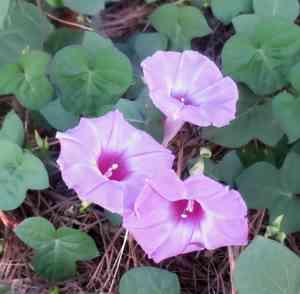
Tievine (Ipomoea cordatotriloba)
Also known as: Sharp-pod morning glory
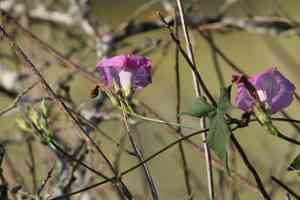
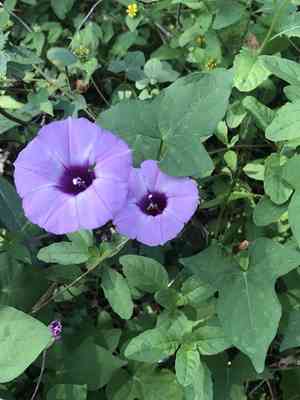
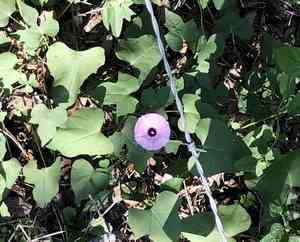
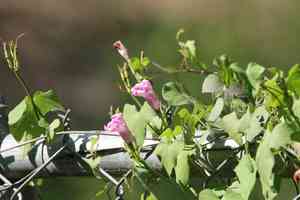
The Tievine (Ipomoea cordatotriloba) is a weed found in the southeastern United States, Mexico, and South America. Its flowers are notable for their funnel shape and come in shades ranging from pink to purple, often featuring a darker central area. The blooms have five fused petals that can display a star-like pattern due to distinct lines. The plant is also characterized by its leaves, which can either be heart-shaped or have three lobes. Tievine is regarded as invasive in certain regions.
Attributes of Tievine
Images of Tievine
Quickly Identify Tievine
Scientific Classification of Tievine
Planting and Growing of Tievine
 How to Water Tievine?
 What Are the Sunlight Requirements for Tievine?
 What Is the Ideal Temperature Range for Tievine?
 What Soil is Best for Tievine?
 How to Fertilize Tievine?
 How to Prune Tievine?
 How to Propagate Tievine plant?
 How to Repot Tievine plant?
Toxicity of Tievine
Is Tievine toxic to cat?
Tievine poses a toxic threat to cats. If felines inadvertently ingest tievine seeds, they may suffer from poisoning. This exposure can result in various forms of physical distress and illness, although specific symptoms are not enumerated. Given that the seeds are the harmful components, it is essential to supervise cats and restrict their access to these seeds. In the event that a cat shows indications of poisoning, it is vital to seek prompt medical attention at a veterinary clinic to safeguard their health.
Is Tievine toxic to dog?
Tievine is recognized as a toxic species for dogs. Dogs can experience poisoning when they inadvertently consume tievine. The most frequent way dogs encounter the plant's toxins is through the ingestion of its seeds, which are identified as the dangerous component. Following the consumption of these seeds, dogs may display a variety of symptoms that signal poisoning. These symptoms can range from digestive disturbances to more serious reactions, depending on the quantity ingested and the individual dog's level of sensitivity. It is vital for dog owners to closely supervise their pets and prevent them from accessing tievine, particularly in areas where seeds may be found. If a dog does consume any part of tievine, it is critical to obtain immediate veterinary assistance to ensure timely and suitable care.



