How to Transplant Anil de pasto?
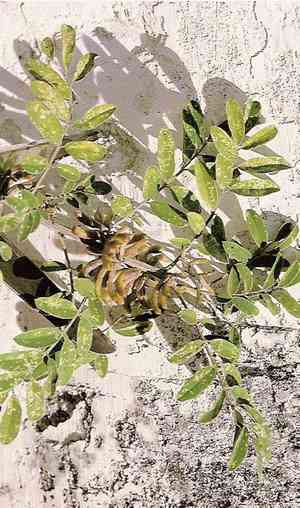
The most favorable period for relocating anil de pasto is at the onset of spring, as temperatures begin to rise. Select a bright spot with soil that drains effectively. Careful manipulation is crucial to prevent root trauma, guaranteeing anil de pasto's successful establishment.
What Preparations are Needed Before Transplanting Anil De Pasto?
What is the Ideal Time for Transplanting Anil De Pasto?
The perfect time to move anil de pasto is in early spring, right after the last frost. This allows your anil de pasto a full season to get established, with mild temperatures and ample moisture creating an ideal growing environment. Transplanting anil de pasto at this time leverages its natural growth cycle, boosting survival rates and plant vigor. Moving anil de pasto under these conditions provides a strong start compared to later transplanting, ensuring it thrives all year.
How Much Space Should You Leave Between Anil De Pasto Plants?
Give your anil de pasto plants ample room to flourish! Position them approximately 24-36 inches (61-91 cm) apart. This spacing ensures each plant has sufficient area to grow and display its full beauty.
What is the Best Soil Mix for Anil De Pasto Transplanting?
Anil de pasto will thrive in a well-drained soil environment. Let's enrich the ground with some organic compost as a foundational fertilizer. This provides the plants with essential nutrients for their new beginning!
Where Should You Relocate Your Anil De Pasto?
Select a sunny location where your anil de pasto can receive at least 6 hours of direct sunlight daily. Just like us, these plants benefit from plenty of natural light!
What Equipments Should You Prepare Before Transplantation Anil De Pasto?
Gardening Gloves
To safeguard your hands while handling soil and plants.
Shovel or Spade
For excavating the plant from the ground or moving soil.
Watering Can or Hose
To hydrate the plant following its relocation.
Pruning Shears
For trimming any damaged roots or foliage.
Wheelbarrow or Plant Cart
To transport the plant and soil efficiently.
Measuring Tape
To determine the correct depth and spacing for planting.
Sturdy Support Stakes or Trellis
To provide support for anil de pasto if needed after transplant.
How Do You Remove Anil De Pasto from the Soil?
How Do You Remove Anil De Pasto from the Soil?
From Ground: Hydrate the anil de pasto plant to moisten the soil. Then, dig a wide trench around the plant using a shovel or spade, ensuring the root ball remains intact. Carefully work the spade beneath the root ball to lift the plant from its original spot.From Pot: Gently tilt the pot and tap its sides to loosen the soil. Support the base of the anil de pasto plant with one hand, and slowly slide the root ball out. If roots have grown through the drainage holes, carefully trim them with pruning shears.From Seedling Tray: Moisten the soil in the seedling tray. Using a spoon or a small tool, carefully lift the anil de pasto seedling by its root ball without disturbing the roots. Ensure to support the seedling as you remove it from the tray.
Step-by-Step Guide for Transplanting Anil De Pasto
Preparation
Gather all necessary tools and ensure any support structures for anil de pasto are ready. Water the plant in its current spot a few hours before transplanting to ensure moist soil and hydrated roots. This eases removal and reduces transplant shock. Prepare the new site by digging a hole large enough for the anil de pasto root ball. The hole should be as deep as the root ball and twice as wide to encourage root expansion. Also, mix in compost or aged manure to enrich the hole if not previously covered, being careful not to over-fertilize, which could harm the plant.
Removal
Follow the instructions in the 'removal process' section specific to anil de pasto's original location. Ensure to preserve as much of the root ball as possible during this step to aid better establishment in the new site.
Transplanting
Once the anil de pasto root ball is excavated, immediately place it into the prepared hole at the new location. The plant should be positioned at the same depth as it was originally. Cover the root ball with soil and gently press down to eliminate air pockets. If needed, install support stakes or a trellis at this point.
Watering
After anil de pasto is in place, water thoroughly to settle the soil around the roots and help minimize transplant shock. This initial watering is vital for rehydrating the roots and aiding their recovery from the move.
Mulching
Apply a layer of mulch around anil de pasto, keeping it a few inches away from the stems. Mulch helps retain moisture, control weeds, and maintain a more consistent soil temperature.
Observation
Monitor anil de pasto for signs of stress or recovery in the weeks following transplant. Adjust care as necessary.
How Do You Care For Anil De Pasto After Transplanting?
Monitoring
Regularly check the soil moisture levels and the overall health of anil de pasto. Ensure the plant receives adequate water, especially in the initial weeks post-transplant to foster strong root development. Watch for any signs of wilting or discoloration, which may indicate transplant stress or disease.
Staking
If anil de pasto begins to lean or appears unable to support itself, add or adjust stakes for stability, particularly in windy areas.
Pruning
Remove any damaged or diseased growth to direct anil de pasto's energy towards establishing new roots and healthy foliage. Avoid extensive pruning as it can stress the plant.
Protection
If unexpected cold weather is anticipated, shield anil de pasto with a frost cloth or move it to a protected spot if it's in a pot.
Troubleshooting Common Issues with Anil De Pasto Transplantation.
What's the best timing for transplanting anil de pasto?
The ideal transplant period is early to mid-spring, when growth resumes and the soil warms.
How far apart should I space my anil de pasto when transplanting?
Space them 24-36 inches (61-91 cm) apart to allow ample room for growth and air circulation.
What soil conditions favor anil de pasto during transplanting?
Utilize well-draining soil rich in organic matter to ensure robust root development and growth for anil de pasto.
Why is my anil de pasto wilting after transplanting?
Wilting may stem from transplant shock. Keep the soil consistently moist and initially avoid direct sunlight.
How deep should I plant anil de pasto during transplantation?
Dig a hole as deep as the root ball and twice as wide to encourage root expansion.
Can I transplant anil de pasto on a hot summer day?
Avoid transplanting anil de pasto in extreme heat. Choose a cooler day or transplant in the evening to lessen stress.
Is it necessary to prune anil de pasto before transplanting?
Light pruning helps reduce transplant shock and balances root loss, promoting new growth.
How much water does anil de pasto need after transplanting?
Water thoroughly after transplanting and provide 1 inch (2.5 cm) of water weekly to establish roots.
What signs indicate I'm overwatering anil de pasto post-transplant?
Yellowing leaves or a soft base could signal overwatering. Allow the soil to dry between watering sessions.
Should I fertilize anil de pasto after transplanting?
Wait 4-6 weeks before fertilizing to prevent burning new roots. Use a balanced, slow-release fertilizer.



