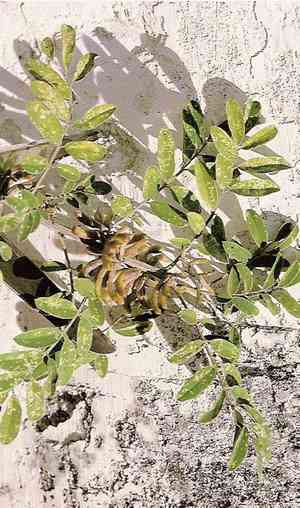
Anil de pasto (Indigofera suffruticosa)
Also known as: West indian indigo, Indigo plant, Ceylon indigo, Shrubby indigo
Anil de pasto (Indigofera suffruticosa) is a shrub that originates from tropical regions of both South and North America. It commonly grows in arid, disturbed environments such as roadsides and vacant fields.
In This Article
Attributes of Anil de pasto
Lifespan
Perennial
Plant Type
Herb, Shrub
Plant Height
80 cm to 1.5 m
Spread
1.5 m
Leaf Color
Green Blue
Flower Size
2 cm to 3 cm
Flower Color
Red
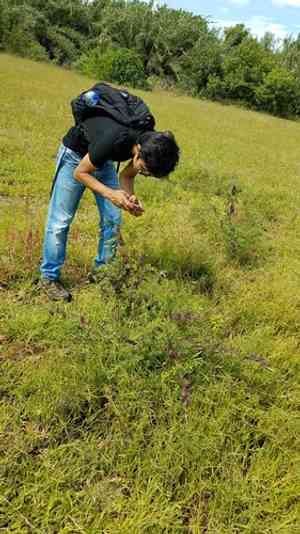
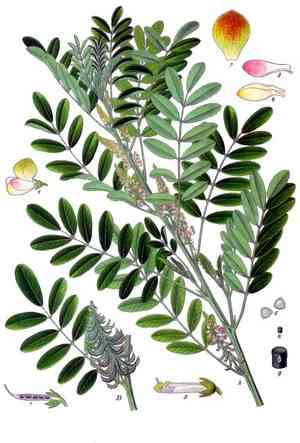
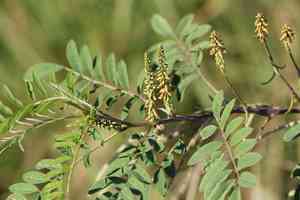
Images of Anil de pasto
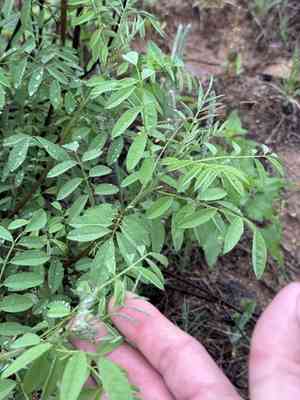
Quickly Identify Anil de pasto
1
Indigofera suffruticosa can be identified by its pinnate leaves with 7-13 leaflets, small pink to purple flowers that grow in clusters, and seed pods that turn brown as they mature. The plant is typically a small shrub.
Scientific Classification of Anil de pasto
Phylum
Vascular plants
Class
Dicotyledons
Order
Fabales
Family
Legume
Genus
Indigofera
Species
Anil de pasto
Planting and Growing of Anil de pasto
Care Difficulty
Easy
Watering Schedule
Every 3 days
Sunlight Requirements
Full sun
Sunshine Duration
6-10 hours
Ideal Temperature
70-86℉
Soil Type
Potting Mix, Peat Mix
Soil pH
6-7.5
Fertilizer Type
Balanced
Pruning Season
Spring, Summer
Pruning Area
Branches, Leaves
Pruning Frequency
2 times a year
Repotting Season
Spring
Pot Type
Plastic, Ceramic
 How to Water Anil de pasto?
Indigofera suffruticosa prefers to be adequately moistened but not waterlogged. When watering, the soil should be evenly wet to about five centimeters deep. This ensures the roots have ample water without drowning them. Always check the topsoil; if it’s dry to touch at this depth, it’s time to water. Make sure excess water drains out to prevent root rot.
What are the symptoms of an underwatered Anil de pasto?
›
What should I do if my Anil de pasto is not getting enough water?
›
What are the symptoms of an overwatered Anil de pasto?
›
How to save an overwatered Anil de pasto?
›
 What Are the Sunlight Requirements for Anil de pasto?
Indigofera suffruticosa benefits from a light range that includes partial to full sun. Ideal light exposure encourages vigorous growth, maintains vibrant foliage and maximizes its flowering potential throughout the growing season.
More About Sunlight Requirements Techniques→
What type of sun is best for Indigofera suffruticosa?
›
How to achieve the ideal lighting for Indigofera suffruticosa?
›
What are the benefits of ideal lighting for Indigofera suffruticosa?
›
 What Is the Ideal Temperature Range for Anil de pasto?
The ideal temperature range for Indigofera suffruticosa is between 70°F and 86°F. This range provides a warm environment that promotes healthy growth and vibrant foliage. When temperatures are maintained within this ideal range, the plant can maximize its photosynthesis process while minimizing stress. Warm conditions similar to its native tropical habitats are key to encouraging constant growth and flowering.
 What Soil is Best for Anil de pasto?
Indigofera suffruticosa thrives in well-draining soil. Proper drainage prevents root rot and ensures the plant receives adequate oxygen. This is particularly beneficial in avoiding water-logged conditions, which can severely affect health. The plant flourishes in nutrient-rich soil, which supports vigorous growth and abundant flowering. Adequate nutrients allow it to develop a robust root system, making it resilient to environmental stress. A loose, crumbly soil texture is ideal for Indigofera suffruticosa. It promotes easy root penetration and nutrient absorption, which are crucial for overall plant health and quick establishment in a new location.
 How to Fertilize Anil de pasto?
For Indigofera suffruticosa, it's important to use fertilizers sparingly. When using liquid fertilizers, dilute them to half the recommended strength to prevent root burn. About 10 ml per liter of water is ideal, applied evenly across the soil surface, ensuring not to splash onto leaves.
 How to Prune Anil de pasto?
Before you start pruning your Indigofera suffruticosa, ensure you have sharp, clean pruning shears. This will make the cuts cleaner and reduce the risk of disease. Start by sanitizing your tools with a solution of alcohol and water to ensure no pathogens are transferred to the plant. Begin by identifying any dead, diseased, or damaged branches. These should be removed first to prevent the spread of disease throughout the plant. Cut back these branches to their base or to healthy parts, making clean cuts at a slight angle. Next, focus on shaping the plant by trimming back the outer edges. Aim to maintain a natural shape that encourages growth and light penetration. Make cuts just above a leaf node to stimulate new growth in the desired direction, ensuring an even and balanced appearance.
More About Pruning Techniques→
 How to Propagate Anil de pasto plant?
1
Soak the seeds in warm water for 24 hours to soften the seed coat, enhancing germination rates. Plant them about 1/4 inch deep in seed trays filled with potting soil.
2
Select a healthy and young shoot from the parent plant. Use pruning shears to cut the stem just below a node, ensuring the cutting is about 4-6 inches long.
3
Dip the cut end of the stem in rooting hormone to encourage faster root development. Insert the cutting into a pot filled with moistened potting soil and keep it under indirect sunlight.
 How to Repot Anil de pasto plant?
1
Indigofera suffruticosa needs repotting when you notice roots coming out of the drainage holes, signaling it's outgrown its current container. Other signs include slow growth and water quickly passing through the pot. Opt to repot during the warm months for optimal plant recovery.
2
Select a new pot that is one to two inches larger in diameter than the current one. It should have sufficient drainage holes to prevent waterlogging. The ideal pot allows the plant to grow unrestrained while maintaining healthy aeration for the roots, promoting vibrant growth.
3
For Indigofera suffruticosa, choose a well-draining loamy soil mix. This ensures that water doesn't accumulate around the roots, as the plant is prone to root rot. The soil should retain some moisture while providing sufficient nutrients and aeration for sustained growth.
Toxicity
Ingestion
WARNING
The judgment on toxicity and danger is for reference only. We DO NOT GUARANTEE any accuracy of such judgment. Therefore, you SHALL NOT rely on such judgment. It is IMPORTANT TO SEEK PROFESSIONAL ADVICE in advance when necessary.
Learn More About Anil de pasto Diseases
Anthracnose
Bacterial Leaf Spot
Bacterial Wilt
Crown Gall
Cyst Nematode
Damping-off
Downy Mildew
Drought Stress
Fusarium Wilt
Gray Mold
Leaf Curl
Leaf Spot
Mosaic
Nutrient Deficiency
Nutrient Toxicity
Powdery Mildew
Root Rot
Root-knot Nematode
Rusts
Sooty Mold
Spider Mites
Temperature Stress
Thrips Damage
White Mold
Chemical Injury



