How to Transplant Beach spider lily?
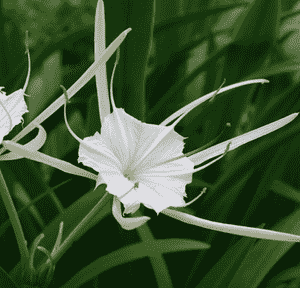
The ideal period for relocating beach spider lily is immediately following winter, spanning from early to mid-spring. This timing enables the plant to rapidly anchor itself in its new setting. Select a site featuring soil that drains effectively, and offer additional attention during the transplanting process, such as employing root-promoting agents if necessary. Enjoy your gardening!
What Preparations are Needed Before Transplanting Beach Spider Lily?
What is the Ideal Time for Transplanting Beach Spider Lily?
The best time to move beach spider lily is from early to mid-spring. This period offers several advantages, including warmer temperatures that promote root development. Relocating beach spider lily at this time ensures a strong transition, allowing them to establish well and thrive throughout the summer. So, prepare your gardening tools; it's time to enjoy planting these beautiful specimens in their new spot!
How Much Space Should You Leave Between Beach Spider Lily Plants?
For beach spider lily, a distance of 8-12 inches (20-30 cm) between individual plants is optimal. This provides ample room for growth and prevents competition for vital nutrients and water.
What is the Best Soil Mix for Beach Spider Lily Transplanting?
Before moving beach spider lily, prepare soil that drains well and is rich in organic material. You can enhance the soil base with compost or aged manure, and use a slow-release fertilizer to supply essential nutrients.
Where Should You Relocate Your Beach Spider Lily?
Choose a new location for beach spider lily that gets full sun to partial shade. These plants flourish in bright, indirect sunlight, so a spot receiving 4-6 hours of sun daily is perfect.
What Equipments Should You Prepare Before Transplantation Beach Spider Lily?
Gardening Gloves
To safeguard your hands while handling soil and beach spider lily.
Garden Trowel
This tool will be used for digging up the plant if it's in the ground, or loosening the edges if it's in a container.
Spade or Shovel
You'll need this for excavating the new planting hole for your specimen.
Watering Can
For hydrating the plant immediately after relocation and for ongoing maintenance.
Garden Secateurs
These will assist in trimming any damaged roots or leaves prior to transplanting.
Wheelbarrow or Plant Pot
To safely transport the plant from its original spot to the new planting site.
How Do You Remove Beach Spider Lily from the Soil?
How Do You Remove Beach Spider Lily from the Soil?
From Ground: Begin by moistening the soil around the beach spider lily to make root ball removal easier. Using your spade or shovel, carefully dig around the plant, avoiding root damage. The goal is to keep a good amount of soil attached to the root ball. Once loose, gently lift the plant, supporting the root ball with your hand.From Pot: If beach spider lily is in a pot, water it, then lay the pot on its side and carefully slide the plant out, aiming to keep the root ball intact. If it's stuck, tap the pot's base and sides to loosen it; do not pull the plant by its stem.From Seedling Tray: Water the seedlings and gently use a trowel or dibber to lift the root ball. Be extra careful as seedlings are typically more fragile.
Step-by-Step Guide for Transplanting Beach Spider Lily
Preparation
Clear the new planting area of any weeds or debris. Using your shovel or spade, dig a hole twice as wide as the beach spider lily's root ball and equally deep.
Planting
Position beach spider lily in the center of the hole, ensuring the top of the root ball is level with the ground. Carefully backfill the hole with soil, gently firming it around the root ball.
Watering
After planting, water generously, thoroughly soaking the root zone. This helps the soil settle around the roots and aids in recovery from transplant shock.
Monitoring
For the next few days, closely observe beach spider lily. Any wilting or yellowing could signal transplant shock. If this occurs, ensure adequate watering but avoid overdoing it.
How Do You Care For Beach Spider Lily After Transplanting?
Exposure
Shield beach spider lily from direct sunlight for a couple of days post-transplant, gradually moving it to its ideal light conditions over a week.
Watering
Consistent watering is vital during the initial weeks after transplanting. Keep the soil moist, but remember, excessive watering can be as harmful as insufficient watering.
Pruning
Trim any damaged or dead leaves from beach spider lily to prevent it from expending resources on them. This helps the plant direct its energy towards new growth.
Checking
Regularly inspect beach spider lily for any signs of diseases or pests. Beginning treatment promptly at the first indication can be crucial for saving your plant.
Troubleshooting Common Issues with Beach Spider Lily Transplantation.
When is the most favorable time of the year to transplant beach spider lily?
Transplant beach spider lily ideally in early to mid-spring. This allows the roots ample time to establish before the hot summer months arrive.
What's the ideal gap between my beach spider lily plants when transplanting?
Maintain a distance of approximately 8-12 inches (20-30 cm) between your beach spider lily plants. This ensures proper air circulation and promotes healthy development.
How deep should I plant beach spider lily during transplantation?
It's best to plant beach spider lily at the same depth it was in its original container. Planting too deep can cause stem rot, while too shallow can expose the roots.
How much water does beach spider lily need right after transplanting?
Immediately after transplanting, water beach spider lily thoroughly. Continue regular watering, but avoid overwatering as this can lead to root rot.
What's the ideal soil type for transplanting beach spider lily?
Beach spider lily thrives in well-draining soil. A blend of loamy and sandy soil is perfect for providing the right balance of moisture and aeration.
Does beach spider lily need fertilizers during or after transplantation?
Yes, beach spider lily can benefit from a light application of a balanced 10-10-10 fertilizer after transplanting. However, be cautious not to over-fertilize as too much can harm the roots.
What sunlight conditions are ideal after transplanting beach spider lily?
Beach spider lily prefers full sunlight to ensure optimal growth post-transplantation. Ensure it receives at least 6 hours of direct sunlight daily.
What kind of pots or containers should I use to transplant beach spider lily?
Choose pots with adequate drainage holes to prevent waterlogging. Ceramic or terracotta pots are ideal for transplanting beach spider lily as they encourage good air movement around the roots.
Is there any special care required when handling beach spider lily for transplanting?
Avoid damaging the roots when removing beach spider lily from its pot. Gently loosen the root ball and try to keep as much existing soil on the roots as possible during transplantation.
How long should I wait before transplanting a newly purchased beach spider lily?
Allow beach spider lily to adapt to its new surroundings for about 7-10 days before transplanting. This helps reduce plant shock and encourages successful establishment.



