How to Transplant Hemisteptia lyrata?
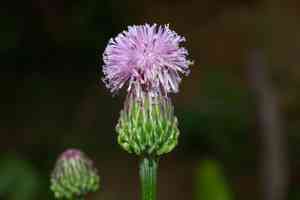
Hemisteptia lyrata flourishes most effectively when relocated from early to late spring, leveraging the temperate climate. Select a bright location with soil that drains efficiently to guarantee robust development. Refrain from transplanting during more severe periods.
What Preparations are Needed Before Transplanting Hemisteptia Lyrata?
What is the Ideal Time for Transplanting Hemisteptia Lyrata?
The best time to move hemisteptia lyrata is from early spring through late spring. This period allows the plant to benefit from increasing temperatures and longer daylight hours, which encourages strong root development and vigorous growth. Early transplantation also lets hemisteptia lyrata maximize its growing season, leading to a healthier, more robust plant.
How Much Space Should You Leave Between Hemisteptia Lyrata Plants?
Position hemisteptia lyrata seedlings 18-24 inches (45-60 cm) apart to ensure ample room for growth and to prevent competition for resources.
What is the Best Soil Mix for Hemisteptia Lyrata Transplanting?
Prepare well-draining soil enriched with compost or a slow-release granular fertilizer. A loamy soil type with a pH of 6.0-7.0 is ideal for hemisteptia lyrata.
Where Should You Relocate Your Hemisteptia Lyrata?
Transplant hemisteptia lyrata to a spot that gets full sun to partial shade. Aim for at least 6 hours of sunlight daily to promote robust development.
What Equipments Should You Prepare Before Transplantation Hemisteptia Lyrata?
Gardening Gloves
To safeguard your hands while handling soil and plants.
Hand Trowel
For digging small holes and loosening soil around the hemisteptia lyrata plant.
Shovel or Spade
To excavate a larger planting hole if required.
Watering Can or Hose
To hydrate the plant before and after its relocation.
Compost or Organic Matter
To enrich the soil at the new planting site.
Mulch
To help maintain moisture levels around the newly transplanted hemisteptia lyrata.
Stake and Ties (if necessary)
To provide support for taller plants that may require additional stability.
How Do You Remove Hemisteptia Lyrata from the Soil?
How Do You Remove Hemisteptia Lyrata from the Soil?
From Ground: First, water the hemisteptia lyrata plant to moisten the soil. Then, dig a wide trench around the plant using a shovel or spade, ensuring the plant's root ball remains intact. Carefully work the spade under the root ball to lift the plant from its original location.From Pot: Water the hemisteptia lyrata plant to moisten the soil. Gently tap the sides and bottom of the pot to loosen the root ball. Tip the pot on its side and carefully slide the hemisteptia lyrata plant out, supporting the stem and root ball with your hands.From Seedling Tray: Water the seedlings thoroughly. Use a hand trowel or your fingers to carefully lift each hemisteptia lyrata seedling by the root ball, taking care not to damage the delicate roots.
Step-by-Step Guide for Transplanting Hemisteptia Lyrata
Site Selection
Choose a location with adequate sunlight and room for your hemisteptia lyrata plant to reach its full size.
Prepare the New Planting Hole
Dig a hole that is twice the width of the hemisteptia lyrata's root ball and of similar depth. Incorporate compost or organic matter into the hole to enrich the soil.
Transplant the Plant
Place the hemisteptia lyrata plant in the center of the hole, ensuring it sits at the same depth as in its previous spot. Fill the hole with soil, gently firming it around the root ball to remove air pockets.
Water Thoroughly
Water the hemisteptia lyrata plant deeply to help settle the soil and establish its roots in the new location.
Apply Mulch
Spread a layer of mulch around the base of the hemisteptia lyrata plant to help retain soil moisture and regulate temperature. Keep the mulch a few inches away from the stem to prevent rot.
How Do You Care For Hemisteptia Lyrata After Transplanting?
Watering
Keep the soil around the hemisteptia lyrata consistently moist, but not waterlogged, for the initial weeks post-transplant to aid in strong root establishment.
Monitoring
Regularly check the hemisteptia lyrata for signs of transplant shock, such as wilting or yellowing leaves, and provide additional water if needed.
Weeding
Keep the area around the hemisteptia lyrata plant free of weeds to reduce competition for nutrients and water.
Protection
If necessary, provide shade for a few days after transplanting to protect the hemisteptia lyrata from direct sunlight until it adjusts to its new location.
Troubleshooting Common Issues with Hemisteptia Lyrata Transplantation.
When is the best time to transplant hemisteptia lyrata?
Early to late spring is ideal for transplanting hemisteptia lyrata for optimal growth and establishment.
How should I space hemisteptia lyrata when transplanting?
Space each hemisteptia lyrata 18-24 inches (45-60 cm) apart to ensure ample growth room.
What soil type is best for transplanting hemisteptia lyrata?
Hemisteptia lyrata thrives in well-draining soil rich in organic matter for best growth results.
How much water does hemisteptia lyrata need after transplanting?
Keep the soil consistently moist but not waterlogged to help hemisteptia lyrata establish roots.
What should I do if hemisteptia lyrata looks wilted after transplanting?
Ensure proper watering and provide shade for a few days to help hemisteptia lyrata recover.
Should I fertilize hemisteptia lyrata immediately after transplanting?
Wait a few weeks after transplanting before applying a balanced, all-purpose fertilizer to hemisteptia lyrata.
How can I protect hemisteptia lyrata from transplant shock?
Water thoroughly, provide partial shade, and avoid disturbing the roots to minimize transplant shock for hemisteptia lyrata.
How deep should I plant hemisteptia lyrata when transplanting?
Plant hemisteptia lyrata at the same depth it was growing in its previous container or ground.
Can I transplant hemisteptia lyrata if it's flowering?
Itâs better to transplant hemisteptia lyrata before flowering to reduce stress and encourage rooting.
Is it necessary to prune hemisteptia lyrata before transplanting?
Light pruning can help reduce water loss and stress on hemisteptia lyrata during the transplant process.



