How to Transplant Atlantic ivy?
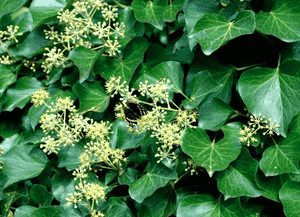
The ideal period for transplanting atlantic ivy extends from the onset of late spring through the heart of midsummer. These times provide atlantic ivy with sufficient warmth, avoiding harsh conditions, which fosters more robust root establishment. When choosing a spot, seek out locations that replicate its native environmentâfiltered sunlight or partial shade coupled with soil that drains effectively. Helpful advice: making sure the new spot resembles the previous one in terms of illumination and hydration will aid atlantic ivy in adjusting quickly and flourishing.
Essential Preparations Before Relocating Atlantic Ivy
Optimal Period for Moving Atlantic Ivy?
Choose the period from late spring to mid-summer for relocating atlantic ivy. This season offers abundant growth potential, fostering a supportive environment for atlantic ivy to develop new roots. Transplanting atlantic ivy at this time benefits from mild temperatures and increasing daylight, which together accelerate recovery and growth, ensuring your atlantic ivy flourishes in its new spot. This timing also aligns with the natural growth cycle of perennials, encouraging robust development as the weather consistently warms.
Required Spacing Between Atlantic Ivy Plants?
Hello, gardening enthusiast! When preparing a new home for atlantic ivy, ensure adequate spacing. Aim for 1.5-3 feet (45-91 cm) between plants. This clearance will allow them to thrive without overcrowding.
Best Soil Mixture for Atlantic Ivy Transplantation?
To properly welcome atlantic ivy, prepare the ground with well-draining soil. A comfortable blend of loam or sandy loam is ideal! Remember a light application of balanced fertilizer to provide a nutritious start to their journey.
Recommended Location for Your Atlantic Ivy?
Select a site for atlantic ivy where the sun filters through, as partial shade will suit them perfectly. The gentle interplay of sunlight and shadow will keep your atlantic ivy content and flourishing!
Equipment Needed Before Transplanting Atlantic Ivy
Gardening Gloves
To safeguard your hands while handling soil and plants.
Spade or Shovel
For excavating the plant and preparing the new planting site.
Watering Can or Hose
To hydrate the atlantic ivy before and after its relocation.
Wheelbarrow
To move the atlantic ivy from its original spot to the new location.
Pruning Shears
For trimming any dead or overgrown sections of the plant prior to transplanting.
Root Pruning Saw or Sharp Knife
If root trimming is necessary for removal or transplantation.
Method for Extracting Atlantic Ivy from the Soil?
Method for Extracting Atlantic Ivy from the Soil?
From Ground: First, thoroughly water the atlantic ivy to facilitate soil removal. Use a shovel to dig a circle around the plant, leaving ample space to preserve the root ball. Gradually deepen the circle, then angle the shovel underneath to gently lift the plant from the ground.From Pot: Water the atlantic ivy in its container to minimize root disturbance. Tilt the pot sideways and gently tap or press its sides to loosen the soil. Carefully slide the atlantic ivy out, supporting the plant at its base.From Seedling Tray: Water the soil in the tray until moist. Use a small tool or stick to carefully ease the atlantic ivy seedling out of its cell, taking care not to pull on the plant and damage delicate roots.
Step-by-Step Guide for Relocating Atlantic Ivy
Prepare the New Site
Dig a hole in the ground that is twice the width and the same depth as the atlantic ivy's root ball. Amend the soil if advised by a local nursery to ensure proper drainage and aeration.
Root Pruning (if necessary)
Inspect the atlantic ivy's roots. If they are tightly circling, use a root pruning saw or sharp knife to make vertical cuts to encourage outward growth.
Plant Positioning
Center the atlantic ivy in the hole. The plant should be at the same soil level as it was previously. Ensure it is straight and positioned as desired before backfilling.
Backfill
Gently refill the hole with the excavated soil, lightly patting it down to eliminate large air pockets. Water the atlantic ivy to help the soil settle around the roots.
Stabilize the Plant
If the atlantic ivy is tall or unstable, insert stakes around the plant for support. Tie the atlantic ivy to the stakes with soft plant ties or strips of cloth to prevent wind damage.
Post-Transplantation Care for Atlantic Ivy
Watering
Ensure the soil around the atlantic ivy remains consistently moist for several weeks following transplantation. This is vital for the plant's establishment and to prevent stress.
Mulching
Apply a layer of mulch around the base of the atlantic ivy to help retain soil moisture and regulate temperature, avoiding direct contact with the plant's stem.
Pruning
Trim any damaged or dead foliage after transplanting to direct the atlantic ivy's energy towards root development.
Monitoring
Watch for signs of stress, such as wilting or discolored leaves, and respond promptly to such indicators by adjusting care as needed.
Resolving Common Issues with Atlantic Ivy Transplantation.
When is the best time of year to transplant atlantic ivy?
The ideal transplantation period is late spring to mid-summer for better root establishment.
What spacing should I use for atlantic ivy when transplanting?
Space atlantic ivy 1.5-3 feet (45-90 cm) apart to provide ample room for growth.
Why are my atlantic ivy's leaves turning yellow after transplanting?
Yellow leaves may indicate excessive watering or poor drainage. Ensure the soil is moist but well-drained.
Can I transplant atlantic ivy in full sun?
Yes, though atlantic ivy thrives best in partial shade. Avoid locations with intense, direct sunlight.
What soil type is optimal for transplanting atlantic ivy?
Plant atlantic ivy in fertile, humus-rich soil that drains well to promote healthy root development.
How frequently should I water atlantic ivy after transplanting?
Water atlantic ivy generously after transplanting and then maintain consistent moisture without waterlogging.
Is it necessary to fertilize atlantic ivy after transplanting?
After transplanting, wait a few weeks before applying a balanced, slow-release fertilizer for best results.
At what depth should atlantic ivy be transplanted?
Transplant atlantic ivy at the same depth it was growing previously to prevent stem rot.
How do I care for atlantic ivy immediately after transplanting?
Water atlantic ivy thoroughly, mulch to retain moisture and protect from strong winds until established.
Should I prune atlantic ivy after transplanting?
Light pruning can be done to encourage bushier growth, but major pruning should wait until settled.



