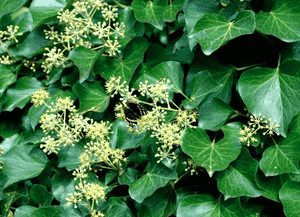
Atlantic ivy (Hedera hibernica)
Also known as: Atlantic Ivy, Irish Ivy
The evergreen climber reaches heights of 20 to 30 meters when it has structures like trees, cliffs, or walls to scale. In the absence of vertical supports, it spreads out as ground cover. Its leaves are glossy dark green on top with light-colored veins, and pale green underneath. The leaves can be either ovoid or feature five triangular lobes with smooth edges. The plant also produces blue-black berries.
In This Article
Attributes of Atlantic ivy
Lifespan
Perennial
Plant Type
Vine
Plant Height
12 m
Spread
8 m
Leaf Color
Green
Flower Size
2.5 cm
Flower Color
Green Yellow
Images of Atlantic ivy
Quickly Identify Atlantic ivy
1
The plant can be identified by its glossy, dark green leaves with five lobes. It produces purplish-black berries and small, inconspicuous flowers.
Scientific Classification of Atlantic ivy
Phylum
Vascular plants
Class
Dicotyledons
Order
Apiales
Family
Ivy
Genus
Ivy
Species
Atlantic ivy
Planting and Growing of Atlantic ivy
Care Difficulty
Easy
Watering Schedule
Every 4 days
Sunlight Requirements
Partial sun
Sunshine Duration
6-10 hours
Ideal Temperature
60-75℉
Soil Type
Potting Mix, Peat Mix
Soil pH
6.5-7.5
Fertilizer Type
Balanced
Pruning Season
Spring, Summer
Pruning Area
Branches, Leaves
Pruning Frequency
2 times a year
Repotting Season
Spring
Pot Type
Plastic, Terracotta
 How to Water Atlantic ivy?
For Hedera hibernica, ensure the soil is evenly moist but not waterlogged. Water around 250 ml each time and allow excess to drain to prevent root rot. The soil should be moist to touch but not soggy.
What are the symptoms of an underwatered Atlantic ivy?
›
What should I do if my Atlantic ivy is not getting enough water?
›
What are the symptoms of an overwatered Atlantic ivy?
›
How to save an overwatered Atlantic ivy?
›
 What Are the Sunlight Requirements for Atlantic ivy?
Hedera hibernica prefers a light range from partial sun to full shade, profiting from consistent indirect lighting. This promotes lush foliage and healthy growth without risking leaf burn.
More About Sunlight Requirements Techniques→
What is the ideal lighting condition for Hedera hibernica?
›
How can you ensure the plant receives ideal lighting?
›
What benefits can ideal lighting provide Hedera hibernica?
›
 What Is the Ideal Temperature Range for Atlantic ivy?
For optimal growth, Hedera hibernica thrives in temperatures ranging from 60°F to 75°F. This range provides the necessary warmth without causing heat stress. Maintaining this temperature range ensures that the plant can perform photosynthesis efficiently, absorb nutrients effectively, and grow vigorously. Keeping the plant within this ideal temperature supports healthy foliage and strong root development.
 What Soil is Best for Atlantic ivy?
Hedera hibernica thrives in well-drained soil, which prevents waterlogging and root rot. Adequate drainage is crucial to its health as it allows roots to breathe and absorb nutrients effectively, promoting vigorous growth. Rich, organic soil provides essential nutrients for Hedera hibernica's lush foliage. Incorporating compost or well-rotted manure enhances soil fertility, supporting the plant’s rapid growth and vibrant leaf coloration. While preferring well-drained conditions, Hedera hibernica also benefits from soil that retains some moisture. This balance helps maintain hydration during dry spells, preventing stress and supporting steady growth.
 How to Fertilize Atlantic ivy?
When fertilizing Hedera hibernica, it's important to apply just the right amount to avoid any detrimental effects. For liquid fertilizers, use a half-strength solution to ensure the plant gets sufficient nutrients without overwhelming it. For slow-release fertilizers, follow the manufacturer’s instructions, generally applying granules sparingly to the soil surface to last for several months.
 How to Prune Atlantic ivy?
Look for any dead, damaged, or diseased stems first, as these should be pruned back to healthy wood to promote plant vitality. Additionally, identify overly long or unruly branches that disrupt the plant's shape and plan to trim these as well. When pruning, make your cuts at a 45-degree angle. This type of cut promotes water runoff and reduces the likelihood of rot. Always cut slightly above a leaf node or an outward-facing bud to stimulate healthy growth in the desired direction. Trim the plant carefully to maintain its aesthetic and to ensure it does not overgrow its space. Regular pruning allows for shaping and encourages denser growth, which can contribute to a fuller appearance.
More About Pruning Techniques→
 How to Propagate Atlantic ivy plant?
1
Choose healthy stems from the parent plant, preferably those that are semi-hardwood. This ensures that the cuttings have the vigor needed for successful rooting.
2
Trim the cuttings to about 6-8 inches in length, removing any leaves from the lower half. This focuses the plant's energy on root development instead of maintaining foliage.
3
Plant the prepared cuttings in a well-drained potting mix, ensuring that only the leafless portion is buried. Maintain proper soil moisture without waterlogging the cuttings.
 How to Repot Atlantic ivy plant?
1
It's time to repot when Hedera hibernica outgrows its pot, evidenced by roots growing through drainage holes or moss-like foliage with minimal growth. Early spring revival ensures optimal acclimatization and triggers new growth. Observing the plant regularly helps in identifying the perfect timing.
2
Select a pot one size larger with good drainage to aid root development and prevent waterlogging. This helps maintain the plant's health by preventing root rot and encouraging expansive, healthy roots essential for a sustainable growth environment.
3
Opt for a soil mix that's well-draining with ingredients like perlite or sand; this prevents water retention around the roots, reducing the risk of rot. The airy environment ensures roots receive essential oxygen, fostering robust plant health and verdant growth.
Toxicity
Ingestion, skin contact
WARNING
The judgment on toxicity and danger is for reference only. We DO NOT GUARANTEE any accuracy of such judgment. Therefore, you SHALL NOT rely on such judgment. It is IMPORTANT TO SEEK PROFESSIONAL ADVICE in advance when necessary.
Learn More About Atlantic ivy Diseases
Anthracnose
Bacterial Leaf Spot
Black Spot
Chemical Injury
Crown Gall
Damping-off
Downy Mildew
Drought Stress
Fusarium Wilt
Gray Mold
Leaf Curl
Leaf Spot
Mosaic
Nutrient Deficiency
Nutrient Toxicity
Powdery Mildew
Root Rot
Root-knot Nematode
Sooty Mold
Spider Mites
Temperature Stress
Thrips Damage
White Mold



