How to Transplant Velvet plant?
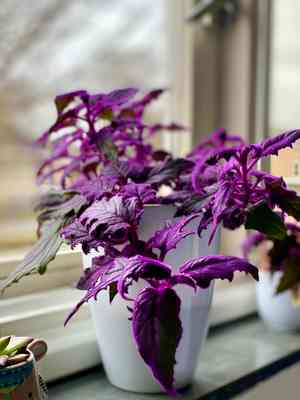
The optimal period for relocating velvet plant spans from mid-spring to late spring, since elevated temperatures and consistent environmental factors enhance development. Select a site with good drainage and ample, diffused illumination for the transfer. Straightforward transplanting advice involves guaranteeing sufficient distance between specimens and preserving the root mass undisturbed throughout the procedure. Cultivate a flourishing velvet plant by following these helpful suggestions!
Essential Preparations Before Relocating Velvet Plant
Optimal Period for Relocating Velvet Plant?
The best time to move velvet plant is from mid-spring through late spring. This timeframe is particularly beneficial for velvet plant as it aligns with its natural growth cycle, promoting robust development. Transplanting during this period allows velvet plant to establish a strong root system in the warming soil before the intense summer heat causes stress. This proactive approach ensures velvet plant adapts well to its new environment, leading to a more thriving and vibrant plant in your garden.
Recommended Spacing Between Velvet Plant Specimens?
When relocating velvet plant, aim for approximately 2 feet (60 cm) of separation. This provides each plant ample room to grow and flourish without competing for essential resources.
Ideal Soil Mixture for Velvet Plant Relocation?
For velvet plant, a well-draining, fertile soil with a slightly acidic pH is optimal. Incorporate organic matter, such as compost or aged manure, to enrich the soil prior to transplanting.
Where to Position Your Velvet Plant?
Select a spot where velvet plant will receive bright, indirect sunlight. As a new gardener, you can identify such areas by observing where light is filtered through trees or reflected from nearby surfaces.
Tools Required for Velvet Plant Transplantation
Gardening Gloves
To safeguard your hands while handling the plant and soil.
Trowel
For excavating the plant from its original container or ground and for placing it into the new site.
Gardening Spade
If the plant is larger, this tool will be useful for lifting it out.
Pruning Shears
To trim the plant, if necessary, before relocation.
Watering Can
To hydrate the velvet plant before and after its transfer.
Plant Label
To help remember the plant's name and planting date.
Garden Hoe
For preparing the new planting site for your plant.
Wheelbarrow
For transporting the velvet plant if it's too heavy to carry.
How to Extract Velvet Plant from its Growing Medium?
How to Extract Velvet Plant from its Growing Medium?
From Ground: If the plant is in the ground, first moisten the velvet plant soil just enough to dampen it. Then, using a shovel or spade, dig a trench around the plant, being careful not to harm the main root ball. Gently slide the spade beneath the root ball and carefully lift the plant from its original spot.From Pot: If the velvet plant is in a pot, first lightly water the plant. Tap the pot's sides to loosen the soil, then place your hand over the topsoil with the velvet plant stem between your fingers. Carefully invert the pot and gently tap until the root ball slides out. Handle with care as the plant is delicate.From Seedling Tray: For smaller plants or seedlings, first moisten the tray's soil. Using a slender tool like a dibber or a spoon handle, gently work it under the seedling and lift it out, ensuring to retrieve as much of the root system as possible.
Detailed Steps for Transplanting Velvet Plant
Prepare New Site
Cultivate the soil at the new location using a garden hoe. The area should be slightly larger than the velvet plant's root ball.
Excavate a Hole
Use a trowel or spade, depending on the plant's size, to dig a hole twice as wide as the root ball. The depth should match that of the root ball.
Transfer the Plant
Gently place the velvet plant into the prepared hole. Ensure the plant stands upright.
Backfill the Hole
Once the velvet plant is correctly positioned, backfill the hole with potting soil. Gently pat down the soil to eliminate any air pockets.
Water the Plant
Use the watering can to water the plant at its base. Be careful not to overwater, avoiding runoff.
Post-Transplant Care for Velvet Plant
Observation
Keep a close watch on the velvet plant, monitoring its growth and overall health. Any wilting or color changes could signal stress from the move.
Watering
For the initial few weeks, maintain consistently moist but not waterlogged soil. Gradually reduce watering frequency as the plant establishes itself in its new location.
Pruning
If the velvet plant appears unhealthy, consider lightly pruning any dead or overgrown branches. This may help revitalize it.
Mulching
Apply mulch around your velvet plant to help retain soil moisture and suppress weed growth.
Addressing Common Issues with Velvet Plant Transplantation.
When is the optimal time to transplant velvet plant?
The ideal period to transplant velvet plant is from mid-spring to late spring, coinciding with its active growth phase.
What is the recommended spacing between velvet plant when transplanting?
When transplanting velvet plant, ensure approximately 2 feet (60 cm) of space between each plant for proper development.
What is the initial step when transplanting velvet plant?
First, prepare the new pot or ground for velvet plant with appropriate well-drained soil, before removing it from its current container.
Is it essential to water velvet plant immediately after transplanting?
Absolutely! Watering velvet plant right after transplanting helps settle the soil and minimizes transplant shock.
Do I need to prune velvet plant during transplantation?
Pruning isn't strictly necessary during transplanting. However, if velvet plant has damaged or diseased leaves, they should be removed.
What if velvet plant leaves wilt after transplant?
If velvet plant shows wilting post-transplant, it might be transplant shock. Consistent watering and placement out of direct sun should help.
How can I ensure velvet plant survives after transplanting?
Maintain a healthy, consistent watering schedule, especially during the first few weeks post-transplant. Keep velvet plant in indirect sunlight and periodically check for pests.
Can I transplant velvet plant outside the ideal season?
While possible, it's not advised. Velvet plant prefers to be transplanted during its active growth period, which is mid to late spring.
What is the effect of overwatering velvet plant post-transplant?
Overwatering can lead to root rot in velvet plant. Ensure the soil is moist but not waterlogged. Allow the top 1 inch (2.5 cm) of soil to dry before rewatering.
How deep should I plant velvet plant when transplanting?
Plant velvet plant at the same depth it was growing in its previous pot. If transplanting a new plant, match the depth it was in the nursery pot.



