How to Transplant Prayer plant?
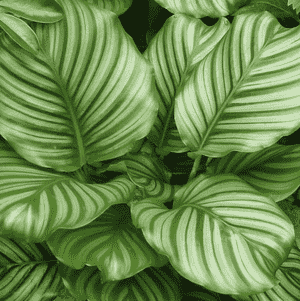
The optimal period for relocating prayer plant spans from the beginning of summer to its conclusion, or from early winter through late winter, enabling the plant to firmly anchor its root system without undue strain. Verify that prayer plant is situated in an area offering good drainage and receiving partial to indirect solar exposure. Attentive nurturing, encompassing appropriate hydration and substrate, will ensure a thriving transplantation. Enjoy your gardening!
What Preparations are Needed Before Transplanting Prayer Plant?
What is the Ideal Time for Transplanting Prayer Plant?
The optimal period for moving prayer plant is from the start of summer or winter. This timeframe is perfect as it's gentle on the plant's root system and encourages healthier development. Though a simple suggestion, this timely action significantly impacts the prayer plant by aiding better nutrient absorption, resulting in a stronger, more vibrant plant. It's a small act of care for your green companion that ensures a smooth transition without undue stress. More than just a thoughtful step in your gardening routine, it's a guaranteed way to prepare prayer plant for a flourishing future.
How Much Space Should You Leave Between Prayer Plant Plants?
When relocating your prayer plant, aim for a separation of approximately 12-24 inches (30-60 cm) between each specimen. This will provide them with ample room to expand and thrive.
What is the Best Soil Mix for Prayer Plant Transplanting?
For your prayer plant, utilize a well-draining, peat-based potting mixture with a slightly acidic pH. Incorporate a slow-release, balanced fertilizer as a foundation before planting, to give the plant a healthy start.
Where Should You Relocate Your Prayer Plant?
Select a spot for your prayer plant that receives bright, indirect illumination. Steer clear of direct sunlight as it could scorch the foliage. A suitable location would be near an east or north-facing window.
What Equipments Should You Prepare Before Transplantation Prayer Plant?
Gardening Gloves
To safeguard your hands while handling soil and the plant.
Shovel or Spade
To excavate the hole for transplanting prayer plant and to extract the plant from its original spot.
Pruning Shears
To trim any damaged or broken roots prior to transplanting.
Gardening Trowel
To assist with soil removal and backfilling the transplant hole.
Watering Can or Hose
To hydrate the plant after transplanting and to maintain appropriate moisture levels in the soil.
How Do You Remove Prayer Plant from the Soil?
How Do You Remove Prayer Plant from the Soil?
From Ground: First, water the prayer plant to moisten the soil. Then, dig a wide trench around the plant using a shovel or spade, ensuring the plant's root ball remains intact. Carefully work the spade beneath the root ball to lift the plant from its original location.From Pot: Water the prayer plant in its container to help loosen the soil. Gently tilt the pot onto its side and tap the edges to aid in releasing the plant. Carefully extract the plant from the pot, ensuring the root ball remains undamaged.From Seedling Tray: Water the prayer plant seedlings to dampen the soil. Gently use a trowel to loosen the soil around the seedling and lift it from the tray, being careful not to harm the roots.
Step-by-Step Guide for Transplanting Prayer Plant
Digging the Hole
Excavate a hole that is twice as wide and equally deep as the root ball of the prayer plant.
Preparing the Soil
Remove any stones, weeds, or debris from the transplant hole and blend a balanced organic material into the soil to enhance its structure and provide nutrients.
Placing the Plant
Position the prayer plant into the hole, with the top of the root ball level with the surrounding ground.
Filling the Hole
Backfill the hole with the prepared soil, gently compacting it around the root ball to eliminate air pockets.
Watering
Water the plant thoroughly to help settle the soil and provide essential moisture for root development. The soil should be damp, but not overly saturated.
How Do You Care For Prayer Plant After Transplanting?
Watering
Maintain consistent soil moisture to ensure strong root development after transplanting prayer plant. Avoid excessive watering or allowing the soil to completely dry out.
Pruning
Remove any damaged or dead leaves and stems to encourage healthy growth after transplanting.
Monitoring Growth
Keep a close watch on the prayer plant's growth and health, and adjust care as needed. If necessary, provide additional support or protection from extreme weather conditions or pests.
Fertilizing
Begin fertilizing with a balanced fertilizer approximately 4-6 weeks after transplanting to encourage continued growth and overall health of prayer plant.
Troubleshooting Common Issues with Prayer Plant Transplantation.
When is the best time of the year to transplant prayer plant?
The optimal time to transplant prayer plant is from early summer to late summer, or early winter to late winter, as these seasons promote healthy growth.
What spacing is required when transplanting prayer plant?
Ensure you space prayer plant about 12-24 inches (30-60cm) apart. This gives them ample room to grow and spread out their leaves.
Why is my prayer plant wilting after I transplanted it?
Wilting could indicate transplant shock, which prayer plant may experience if moved abruptly. Ensure gradual transition to its new environment while maintaining its watering and light needs.
How deep should the pot or hole be for transplanting prayer plant?
The pot or hole should be deep enough to cover the root system of prayer plant entirely, usually about twice the size of the root ball.
Why are the leaves of my prayer plant turning yellow post-transplant?
Yellowing may be related to improper watering, either over or under watering. Adjust your watering regime and ensure the plant is draining adequately.
Should I prune my prayer plant before transplanting?
Light pruning can stimulate new, healthy growth post-transplant. However, heavy pruning can stress prayer plant, so trim lightly, just to maintain shape.
How can I prevent root damage when transplanting prayer plant?
Be gentle while handling roots, try to keep the root ball intact. If the roots are circled or tangled loosely, detangle them carefully before planting.
Can I use any type of soil when transplanting prayer plant?
Prayer plant prefers well-draining soil, rich in organic matter. Avoid heavy, clayey soil as it may cause waterlogging and affect the plant's health.
How can I ensure my transplanted prayer plant establishes well in its new place?
After transplanting prayer plant, water it well and place it in a location with bright, indirect sunlight. Maintain its watering and feeding schedule according to its growth needs.
Why has the growth of my prayer plant slowed down after transplanting?
Slowed growth may indicate transplant shock. Stringent care in the initial weeks and compliance with the plant's light, water, and temperature needs can help overcome this.



