Prayer plant (Goeppertia orbifolia)
Also known as: Orbifolia, Calathea orbifolia
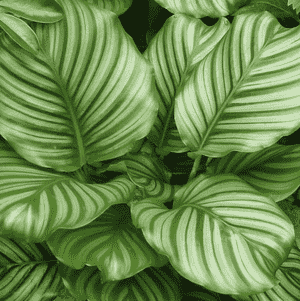
Prayer plant (Goeppertia orbifolia) is indigenous to South America. Because of the unusual pattern on its leaves that might make you think of a picnic tablecloth, it’s a popular choice as a houseplant. It’ll bring a nice tropical vibe to your living or dining room. If you’re growing it indoors, keep in mind that it thrives best in soil that’s well-drained.
In This Article
Attributes of Prayer plant
Lifespan
Perennial
Plant Type
Herb
Plant Height
61 cm to 91 cm
Spread
60 cm to 90 cm
Leaf Color
Green Silver Gray
Flower Size
Small, inconspicuous
Flower Color
White
Images of Prayer plant
Quickly Identify Prayer plant
1
Identify Goeppertia orbifolia by its large, oval, and pale green leaves marked with silver stripes. The leaves have a slightly corrugated texture and can grow quite large, making the plant an eye-catching addition to indoor gardens.
Scientific Classification of Prayer plant
Phylum
Vascular plants
Class
Monocotyledons
Order
Zingiberales
Family
Arrowroot
Genus
Calatheas
Species
Prayer plant
Planting and Growing of Prayer plant
Care Difficulty
Hard
Watering Schedule
Every 3 days
Sunlight Requirements
Partial sun
Sunshine Duration
6-8 hours
Ideal Temperature
65-75℉
Soil Type
Potting Mix, Peat Mix
Soil pH
6.5-7.5
Fertilizer Type
Balanced
Pruning Season
Spring, Summer
Pruning Area
Branches, Leaves
Pruning Frequency
2 times a year
Repotting Season
Spring
Pot Type
Plastic, Ceramic
 How to Water Prayer plant?
For Goeppertia orbifolia, it is crucial to maintain soil moisture without waterlogging. The soil should be moist to the touch but never soggy. Watering with approximately 250 ml ensures the roots receive enough moisture without drowning, allowing the plant to thrive without the risk of root rot.
More About Watering Techniques→
What are the symptoms of an underwatered Prayer plant?
›
What should I do if my Prayer plant is not getting enough water?
›
What are the symptoms of an overwatered Prayer plant?
›
How to save an overwatered Prayer plant?
›
 What Are the Sunlight Requirements for Prayer plant?
Partial sun, full shade conditions are ideal, offering the best environment for vibrant leaf appearance and proper plant metabolism. Balanced light levels promote robust health and leaf integrity.
More About Sunlight Requirements Techniques→
Solution for ideal light
›
How to achieve ideal light
›
Benefits of ideal light conditions
›
 What Is the Ideal Temperature Range for Prayer plant?
The ideal temperature for Goeppertia orbifolia growth ranges between 65°F and 75°F. This temperature range replicates its natural tropical habitat, providing the warmth necessary for optimal photosynthesis and metabolic activities. Ensuring the temperature remains constant within this range is crucial for healthy leaf growth and long-term plant vitality.
 What Soil is Best for Prayer plant?
Goeppertia orbifolia thrives in soil with good moisture retention. This ensures that the plant's roots have access to adequate hydration, which is essential for their lush foliage and overall health. The plant benefits from nutrient-rich soil, which supports its growth and vibrant leaf coloration. A well-balanced mix of organic matter enhances soil fertility, providing essential nutrients for the plant's development. Proper aeration in the soil allows roots to breathe and prevents waterlogging, which can lead to root rot. This is crucial for the plant's health as it promotes strong root growth and resilience against diseases.
More About Soil→
 How to Fertilize Prayer plant?
For Goeppertia orbifolia, it is recommended to use a diluted liquid fertilizer at half strength to avoid burning the plant. A small dose, around 1/4 to 1/2 teaspoon per gallon of water, should suffice each time.
More About Fertilizing Techniques→
 How to Prune Prayer plant?
Ensure you have clean, sharp scissors or pruning shears to make crisp cuts without damaging the plant. Sterilize tools with rubbing alcohol to prevent spreading diseases. Gently inspect your Goeppertia orbifolia for any brown or yellowing leaves. Cut them off at the base to promote better air circulation and focus nutrients on healthy parts. If your plant is becoming unruly or lopsided, trim excess growth to maintain an even, balanced shape. Follow the natural lines of the leaves to keep a harmonious appearance.
More About Pruning Techniques→
 How to Propagate Prayer plant plant?
1
Water the mother plant thoroughly a day before division to reduce stress. Gently remove it from the pot and shake off excess soil to expose the roots for a clear view of where to separate.
2
Using the sharp knife or shears, cut through the rhizome ensuring that each section has at least one healthy root. Be gentle to avoid damaging the roots while making the divisions as clean as possible.
3
Place each new division into its own pot with fresh, sterilized potting soil. Ensure the roots are well-covered and water lightly to settle the soil and help the plant adjust to its new environment.
 How to Repot Prayer plant plant?
1
Repot Goeppertia orbifolia when you notice roots coming out of the drainage holes or if the plant's growth seems stunted. Another sign is if the soil dries out faster than usual, indicating that the plant needs more space to thrive.
2
Select a pot that is one size larger than the current one, preferably with drainage holes. A good pot promotes healthy root growth and prevents waterlogging, which can lead to root rot. A well-chosen pot balances moisture retention and drainage.
3
The ideal soil should be well-draining and peat-based to retain moisture without becoming waterlogged. This type of soil aids in aeration, preventing roots from suffocating while ensuring the plant remains hydrated, crucial for its lush foliage.



