How to Transplant Gnemon?
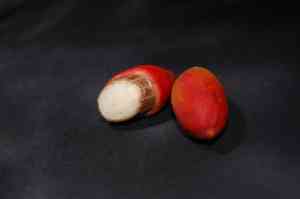
For gnemon, the ideal period for relocation spans from the beginning to the end of spring, as this season facilitates the most vigorous root establishment. Select a spot offering luminous, filtered sunlight and sufficient room for expansion. Following transplantation, delicately foster root growth to ensure peak vitality.
Necessary Preparations Before Relocating Gnemon?
When is the Best Time to Move Gnemon?
The perfect time for relocating gnemon is as winter transitions into the active growth period of early to late spring. During this interval, mild temperatures and extended daylight hours create an ideal setting for gnemon's roots to become established. Moving it in this season leverages nature's renewal cycle, ensuring your gnemon settles with the optimal balance of cool soil and warming air. This aligns with the plant's natural growth surge, providing a strong base for a flourishing perennial.
What Distance Should Be Maintained Between Gnemon Plants?
When getting ready to move your gnemon, aim to provide each plant ample room for development. Position them approximately 15-20 ft (4.5-6 m) apart. This will guarantee sufficient space for their roots to spread and for air to circulate, thereby reducing the risk of disease.
What is the Optimal Soil Mixture for Gnemon Relocation?
Prior to relocating gnemon, enrich the planting area with soil that drains effectively. Incorporate compost or a balanced slow-release fertilizer into the soil to give your gnemon a nutrient-rich start. Target a pH that is slightly acidic to neutral for peak growth.
Where is the Best Place to Replant Your Gnemon?
Select a spot for your gnemon where it will receive full to partial sunlight. Consider a location that gets at least 4-6 hours of direct sun daily to support robust growth. This will help your gnemon flourish and produce its finest foliage and fruit.
What Tools Should Be Prepared Before Moving Gnemon?
Gardening Gloves
To safeguard your hands while handling soil and the plant.
Shovel or Spade
For digging around and carefully lifting the plant.
Garden Fork
To loosen the soil and assist in removing the root ball.
Pruning Shears
To trim any damaged roots or excess foliage.
Watering Can or Hose
To hydrate the plant before and after relocation.
Wheelbarrow or Garden Cart
To transport the plant and soil.
Mulch
To aid in moisture retention and soil temperature regulation post-relocation.
Stake or Plant Support
To offer stability to gnemon if required.
How to Extract Gnemon from the Ground?
How to Extract Gnemon from the Ground?
From Pot: Hydrate the gnemon to moisten the soil. Tilt the pot sideways and gently tap it to dislodge the plant. Slide gnemon out of the pot while supporting the stem's base with one hand and holding the pot with the other.From Seedling Tray: Water the gnemon seedlings to ensure the soil is damp. Carefully press from the cell's bottom to ease the seedling out. Support the seedling by its leaves to avoid stem damage.From Ground: Water the gnemon thoroughly to soften the soil. Use a garden fork to loosen the soil surrounding the plant. Gently dig a wide circle around the gnemon to prevent root damage, and lift it from the ground with its root ball intact.
Step-by-Step Guide for Relocating Gnemon
Preparation
Gather all necessary tools and ensure gnemon is adequately watered. Choose a cool or overcast part of the day to minimize plant stress.
Digging New Hole
Prepare a hole twice the width of the root ball and of equal depth to ensure that gnemon will be at the same level in the ground as it was previously.
Roots Inspection
Examine gnemon's roots for any indications of damage or disease. Trim any broken or overly long roots with pruning shears.
Planting
Position gnemon in the center of the new hole. Gradually backfill the soil around the root ball, gently firming it down without excessive compaction.
Watering
Water gnemon thoroughly after planting to settle the soil and eliminate air pockets. Ensure that the water penetrates deeply to reach the root zone.
Stabilizing
If gnemon is tall or unstable, insert a stake on the windward side and loosely tie it for support without harming the stem.
Mulching
Apply a layer of organic mulch around the base of gnemon to conserve moisture and suppress weeds, keeping it away from the actual stem to prevent rot.
How to Care For Gnemon After Relocation?
Stabilization
Regularly check and adjust the stake or support as gnemon grows to ensure it remains properly supported without constriction.
Monitoring
Observe gnemon for signs of relocation shock such as wilting or leaf drop, and intervene if necessary, such as providing shade or increasing watering.
Regular Watering
Establish a watering schedule to keep the soil moist but not waterlogged to encourage healthy root development for gnemon.
Mulch Inspection
Replenish the mulch as it breaks down to maintain its benefits for gnemon, but always keep it away from the plant's main stem to avoid any rot issues.
Addressing Common Issues with Gnemon Relocation.
How do I know the best time to move gnemon?
The optimal period for moving gnemon is during the cooler phase of early to late spring.
What's the ideal spacing for planting gnemon saplings?
Ideally, space gnemon saplings 15-20 feet (4.5-6 meters) apart to ensure ample growth room.
How should I prepare the soil before moving gnemon?
Enrich the soil with compost and ensure it's well-draining prior to relocating gnemon.
My gnemon sapling looks wilted after relocation, what do I do?
Provide adequate water without over-saturating and ensure the plant is not exposed to harsh sun immediately.
Can I move gnemon during the summer or fall?
Moving gnemon during summer or fall isn't ideal due to heat stress and impending dormancy, respectively.
How deep should the hole be when moving gnemon?
Dig a hole twice the width and the same depth as the root ball to prevent root crowding.
Should I prune gnemon before moving, and how much?
Light pruning is beneficial; remove only damaged or dead branches to focus the plant's energy on root development.
How much should I water gnemon after moving?
Water thoroughly after moving to settle the soil around the roots, then follow regular watering as needed.
What should I do if the leaves of gnemon turn yellow post-relocation?
Yellowing leaves might indicate shock or watering issues. Review watering practices and give the plant time to adjust.
Can I use any fertilizer immediately after moving gnemon?
Avoid strong fertilizers right after moving. After a few weeks, apply a balanced, slow-release fertilizer suitable for gnemon.



