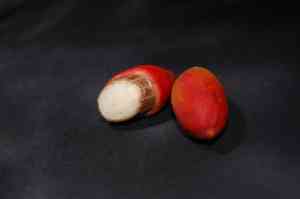
Gnemon(Gnetum gnemon)

Gnemon (Gnetum gnemon)

Also known as: Kuliat, Bigo, Melinjo, Paddy oats

The Gnemon tree, native to regions from India to Oceania, has diverse applications across various sectors:

1. **Culinary Uses:**
- **Indonesia:** Its seeds, called melinjo, are utilized to prepare emping, a type of cracker. The leaves and fruits are also integrated into local dishes.
- **Papua New Guinea:** Both the leaves and seeds serve as vegetables in traditional meals.

2. **Traditional Medicine:**
- In Southeast Asian folk medicine, different parts of the Gnemon tree are employed to treat conditions such as fever and digestive issues.

3. **Textile and Craft:**
- The inner bark fibers are crafted into ropes, woven materials, and fishing lines, contributing to local textile traditions.

4. **Agriculture:**
- The tree is planted to provide shade and act as a windbreak, supporting agricultural practices.

5. **Wood:**
- Its wood is locally used for constructing small-scale items, including tool handles and various wooden objects.

These varied uses underscore the Gnemon tree's significant role in cultural practices and practical applications.

Attributes of Gnemon

Lifespan
Perennial
Plant Type
Tree
Plant Height
15 m to 20 m
Spread
5 m
Leaf Color
Green
Flower Size
3 cm to 6 cm
Flower Color
Yellow Green

ForwardPlant - Identify plants with a snap

Identify and diagnose plants, get toxicity alerts, and explore safety guides for all types of fungi.

Try for Free

Images of Gnemon

Gnemon(Gnetum gnemon)

Quickly Identify Gnemon

1
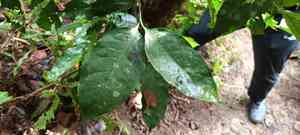
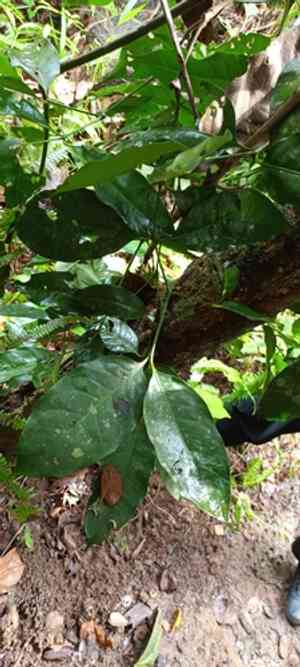
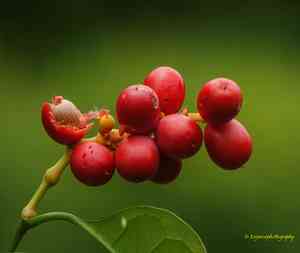
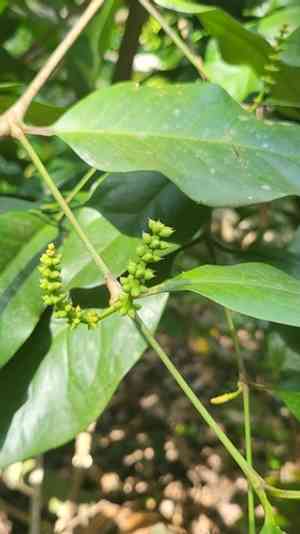
To identify Gnetum gnemon, look for an evergreen tree that can grow up to 20 meters tall. The leaves are thick, leathery, and elliptical shaped with a prominent midrib. The tree produces cylindrical, cone-like structures which house the seeds.

Scientific Classification of Gnemon

Phylum
Vascular plants
Class
Gnetophytes
Order
Gnetales
Family
Gnetums
Genus
Gnetum
Species
Gnemon

Planting and Growing of Gnemon

Care Difficulty
Moderate
Watering Schedule
Every 4 days
Sunlight Requirements
Partial sun
Sunshine Duration
4-8 hours
Ideal Temperature
75-86℉
Soil Type
Potting Mix, Peat Mix
Soil pH
6.5-7.5
Fertilizer Type
Balanced
Pruning Season
Spring, Summer
Pruning Area
Branches, Leaves
Pruning Frequency
2 times a year
Repotting Season
Spring
Pot Type
Plastic, Ceramic

water icon How to Water Gnemon?

Gnetum gnemon appreciates being watered with around 500 ml each time. Ensure the water reaches the roots but doesn't cause waterlogging. The soil should be moist but not soggy, balancing hydration with oxygen supply.
What are the symptoms of an underwatered Gnemon?
What should I do if my Gnemon is not getting enough water?
What are the symptoms of an overwatered Gnemon?
How to save an overwatered Gnemon?

sunlight icon What Are the Sunlight Requirements for Gnemon?

Sunlight Requirements: Partial sun, Full shade
Duration of light: 4-6 hours daily
Gnetum gnemon prefers partial sun to full shade, simulating the natural understory light of rainforests. Ideal lighting promotes lush, healthy foliage and supports optimal physiological functions like photosynthesis.
How much sunlight does Gnetum gnemon need?
What solutions can provide ideal lighting for this plant?
What are the benefits of ideal lighting conditions?

temperature icon What Is the Ideal Temperature Range for Gnemon?

Ideal Temperature: 75 ~ 86℉
Gnetum gnemon thrives best within the temperature range of 75°F to 86°F. This range supports ideal metabolic and photosynthetic activities, ensuring robust growth and healthy development of the plant.

soil icon What Soil is Best for Gnemon?

Soil type: Loam, Sandy loam
Soil PH: 6.5 ~ 7.5
Gnetum gnemon thrives in soil that is rich in organic matter, which provides essential nutrients for growth. Amending the soil with compost or decomposed manure can offer these nutrients, promoting plant health and vigor. This plant requires well-draining soil to prevent waterlogging, which can cause root rot. Sandy loam soils are ideal as they provide good drainage while retaining enough moisture for the plant's needs. Gnetum gnemon benefits from soil that maintains consistent moisture levels. Mulching around the base of the plant can help to retain soil moisture, contributing to steady growth and development.

fertilize icon How to Fertilize Gnemon?

Fertilizer type: Balanced
Gnetum gnemon, or the gnemo tree, benefits from moderate fertilization. Use a balanced fertilizer with equal parts nitrogen, phosphorus, and potassium, such as a 10-10-10 mix. Apply liquid fertilizer at a rate of 1 teaspoon per gallon of water for each application, and use slow-release granules at a rate of 2 ounces per plant annually.

prune icon How to Prune Gnemon?

Pruning Time: Spring, Summer, Autumn
Start by identifying dead or diseased branches and remove them with clean, sharp shears. Focus on cutting back overgrown branches to maintain a balanced shape. Ensure to make cuts at a 45-degree angle just above a leaf node to promote healthy regrowth. Regularly thin out crowded areas to allow light and air to penetrate the foliage. Gnetum gnemon can be shaped by selectively trimming the tips of branches to encourage bushier growth. Formulate a rounded and aesthetically pleasing canopy by cutting above a bud that faces outward. This practice not only enhances the plant's appearance but also improves sun exposure and air circulation within the shrub. More About Pruning Techniques

propagate icon How to Propagate Gnemon plant?

Propagate Time: Spring,Summer
1
For propagation, select healthy and disease-free stems or seeds from the Gnetum gnemon. This will increase your chances of successful propagation and help you maintain the genetic traits of the parent plant.
2
Prepare a planting medium that is well-draining. A mix of peat and sand or perlite can be used for cuttings, while a loamy soil mix can work well for seed propagation. Ensure the medium is moist but not waterlogged.
3
Insert cuttings into the prepared medium at an appropriate depth, ensuring at least one node is under the soil. For seeds, place them on the soil surface and lightly cover with soil. Water lightly to settle the medium around the cuttings or seeds.

repot icon How to Repot Gnemon plant?

Repotting frequency: Every 2-3 years
1
Signs that Gnetum gnemon needs repotting include roots growing through drainage holes, slow growth, or compacted soil. The best time for repotting is during spring or summer when the plant is actively growing, ensuring it adjusts swiftly to its new environment.
2
Select a pot slightly larger than the current one with adequate drainage holes to prevent waterlogging. This helps in providing ample space for root growth and ensures healthy development. A well-chosen pot supports overall plant stability and promotes vigorous foliage.
3
Opt for a well-draining potting mix to avoid root rot. Ideal mixtures include components like perlite or sand, which enhance aeration and drainage. This type of soil facilitates optimal root health and fosters robust plant growth.

ForwardPlant - Identify plants with a snap

Find the best spots for them to optimize their health, simply using your phone.

Try for Free

Toxicity

Ingestion of raw seeds or other parts of the plant

Identify toxic plants for your safety

Learn which plants are harmful to you and your pets, and make informed choices for a safer home!

Try for Free
WARNING
The judgment on toxicity and danger is for reference only. We DO NOT GUARANTEE any accuracy of such judgment. Therefore, you SHALL NOT rely on such judgment. It is IMPORTANT TO SEEK PROFESSIONAL ADVICE in advance when necessary.