How to Transplant Common corn-flag?
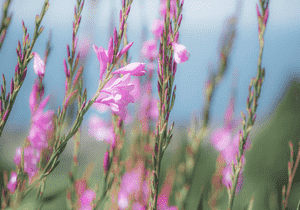
For common corn-flag, the height of summer's heat provides an ideal period for transplantation. Select a sun-drenched location featuring soil that drains effectively to guarantee their flourishing. Helpful hint: Position the bulbs with their tapered end facing upwards for optimal outcomes.
What Preparations are Needed Before Transplanting Common Corn-flag?
What is the Ideal Time for Transplanting Common Corn-flag?
The optimal period for moving common corn-flag is during the pleasant warmth of mid to late summer. This timeframe offers the best climate for bulbs to establish roots without immediate intense heat, ensuring a strong start. Relocating common corn-flag as summer's peak subsides allows sufficient time for acclimation before cooler autumn weather. This timing leverages the soil's residual warmth, which is perfect for root development, thus preparing for a vibrant display next season.
How Much Space Should You Leave Between Common Corn-flag Plants?
When relocating common corn-flag, ensure plants are spaced approximately 2-3 feet (60-90 cm) apart. This provides ample room for them to grow and thrive. Always remember, proper spacing is crucial for a healthy and lush garden.
What is the Best Soil Mix for Common Corn-flag Transplanting?
Preparing the soil for common corn-flag involves blending garden soil with a generous amount of organic compost. This plant prefers soil that drains well, with a pH between 6-7. Don't forget to incorporate some all-purpose slow-release fertilizer to give common corn-flag a good start!
Where Should You Relocate Your Common Corn-flag?
Common corn-flag thrives in sunlight! Select a garden spot where the plant will receive full or nearly full sun exposure for most of the day. This promotes vigorous and healthy growth.
What Equipments Should You Prepare Before Transplantation Common Corn-flag?
Gardening Gloves
These will safeguard your hands when working with soil and common corn-flag.
Spade or Shovel
This tool is essential for excavating holes for your common corn-flag and extracting it from its initial spot.
Garden Trowel
This tool is useful for carefully handling the common corn-flag during transplantation.
A Wheelbarrow or Large Bucket
This will be used to move the common corn-flag from its original position to its new site.
How Do You Remove Common Corn-flag from the Soil?
How Do You Remove Common Corn-flag from the Soil?
From Ground: The crucial aspect when extracting common corn-flag from its original ground location is to keep the root ball intact. To achieve this, moisten the soil around the common corn-flag by watering it thoroughly. Then, using a shovel or spade, dig a wide circle around it, being careful to avoid the root ball. Aim to dig as deep as the common corn-flag is tall. Gently lift the soil and root ball with the spade or shovel.From Pot: To take your common corn-flag out of its pot, first water it well. Turn the pot on its side, and hold the common corn-flag stem as you tap the pot's rim on a firm surface; this will loosen the plant's root ball, allowing it to slide out gently. Be careful not to pull or damage the roots.From Seedling Tray: To remove your common corn-flag from a seedling tray, first dampen the soil. Then use a spoon or garden trowel to scoop out the seedling along with its roots and surrounding soil.
Step-by-Step Guide for Transplanting Common Corn-flag
Preparing the Hole
At the new site, dig a hole twice as wide and the same depth as the common corn-flag's root ball. This provides ample space for its roots to spread. Ensure the bottom of the hole is firm to prevent common corn-flag from settling too deeply.
Placing the Plant
Position the common corn-flag in the center of the hole, making sure it stands upright. The top of the root ball should be level with or slightly below the soil surface.
Filling in the Hole
Backfill the hole with the excavated soil, gently firming it around the common corn-flag. Confirm there are no air pockets.
Watering
Water the common corn-flag thoroughly after planting to help the soil settle.
How Do You Care For Common Corn-flag After Transplanting?
Watering
Ensure the soil remains moist, but not excessively wet. Overwatering can lead to root decay.
Mulching
Apply a layer of mulch around the common corn-flag to help retain moisture, suppress weeds, and stabilize soil temperature.
Watch Out for Pests
Be vigilant for signs of pests or diseases, such as yellowing leaves or stunted growth, and address them promptly. Regularly inspect the leaves, stem, and surrounding soil.
Pruning
Trim off any dead or yellowing foliage on the common corn-flag to allow it to direct its energy towards developing strong roots.
Troubleshooting Common Issues with Common Corn-flag Transplantation.
When is the best time to transplant common corn-flag?
The optimal period to transplant common corn-flag is during the S5-S6 season. This is when the plant is most receptive to relocation.
How should I space common corn-flag plants during transplantation?
For common corn-flag, it's advisable to space each plant 2-3 feet (0.6-0.9 meters) apart, to ensure they have adequate room to grow and establish their root systems.
What is an important step to prepare common corn-flag for transplantation?
Before transplanting common corn-flag, ensure the plant is well-hydrated. This will help reduce transplant shock, allowing common corn-flag to adapt better to its new location.
What should the condition of the soil be like for transplanting common corn-flag?
Well-drained soil is most suitable for common corn-flag. Ensure the soil is loose and free from weeds, with a pH level between 6.0 and 7.0.
What light conditions are best for common corn-flag after transplant?
Common corn-flag thrives in sunlight. Post-transplanting, place common corn-flag in a location with full sun exposure for optimal growth.
How deep should common corn-flag be planted during transplantation?
When transplanting common corn-flag, plant it approximately 4-6 inches (10-15 cm) deep. This provides sufficient support and encourages proper development.
What is the best way to water common corn-flag after transplanting it?
After transplanting common corn-flag, water it gently but thoroughly. Overwatering can lead to root rot, while underwatering might cause the plant to dry out.
Do common corn-flag need any special fertilizer after being transplanted?
A slow-release fertilizer applied once during the growing season greatly benefits common corn-flag. It replenishes soil nutrients and supports vigorous growth.
What do I do if the transplanted common corn-flag wilts shortly after transplant?
Wilting could indicate transplant shock for common corn-flag. Ensure it is watered appropriately and receives adequate sunlight.
How can I possibly minimize transplant shock for common corn-flag?
By properly watering common corn-flag before and after transplanting, and maintaining its original soil clump during the transition, transplant shock can be reduced.



