How to Transplant Gladiolus byzantinus?
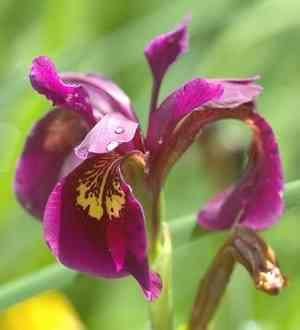
Gladiolus byzantinus is most successfully relocated amidst the pleasant gusts of early spring. Select a bright, adequately draining location to foster robust development. Bear in mind that careful handling contributes to a positive outcome, facilitating a smooth adaptation for this appealing perennial.
What Preparations are Needed Before Transplanting Gladiolus Byzantinus?
What is the Ideal Time for Transplanting Gladiolus Byzantinus?
The best period to move gladiolus byzantinus is in early spring, just as the ground starts to warm. This timing allows the plant to establish its root system before the active growth phase, ensuring vigorous development. Transplanting at this point stabilizes gladiolus byzantinus and encourages blooming, maximizing seasonal growth conditions.
How Much Space Should You Leave Between Gladiolus Byzantinus Plants?
When relocating gladiolus byzantinus, ensure each plant is spaced approximately 6 inches (15 cm) apart to provide sufficient room for growth and promote good air circulation.
What is the Best Soil Mix for Gladiolus Byzantinus Transplanting?
For gladiolus byzantinus, select a soil that drains well and has a pH ranging from slightly acidic to neutral. Incorporate a balanced base fertilizer, such as a 10-10-10 blend, to supply essential nutrients for the plant's development.
Where Should You Relocate Your Gladiolus Byzantinus?
Position gladiolus byzantinus in a sunny spot where it receives at least 6 hours of direct sunlight daily. This will help the plant flourish and produce beautiful flowers.
What Equipments Should You Prepare Before Transplantation Gladiolus Byzantinus?
Gardening Gloves
To safeguard your hands while handling soil and plants.
Trowel
For excavating small holes and loosening earth around the plant.
Shovel or Spade
To dig a trench and lift the plant from its original spot.
Garden Fork
For aerating compacted soil without harming roots.
Watering Can
For hydrating the plant before and after its relocation.
Compost
To enhance soil fertility in the new planting area.
Mulch
To help retain moisture around the recently transplanted plant.
How Do You Remove Gladiolus Byzantinus from the Soil?
How Do You Remove Gladiolus Byzantinus from the Soil?
From Ground: First, moisten the gladiolus byzantinus plant to dampen the soil. Then, dig a wide trench around the plant using a shovel or spade, making sure the plant's root ball stays intact. Carefully work the spade beneath the root ball to lift the plant from its initial location.From Pot: Lightly water the gladiolus byzantinus plant to help the soil cohere. Gently turn the pot on its side and tap the bottom to dislodge the plant. Carefully slide the plant out while supporting the root ball to prevent damage.From Seedling Tray: Water the seedlings to keep the soil damp. Carefully loosen the soil around each seedling with a trowel or your fingers. Lift the seedling from the tray, ensuring you retain as much soil around the roots as possible.
Step-by-Step Guide for Transplanting Gladiolus Byzantinus
Version
Ensure you utilize the tools and equipment listed above to execute each step smoothly.
Prepare the New Site
Loosen the soil in the new planting area and mix in compost to enrich it.
Dig the Planting Hole
Excavate a hole that is sufficiently large to accommodate the root ball of the gladiolus byzantinus plant.
Place the Plant
Position the gladiolus byzantinus plant in the hole, ensuring it is at the same depth as it was in its original spot.
Backfill and Firm the Soil
Fill the hole with the soil you removed, gently firming it around the plant to eliminate air pockets.
Water Thoroughly
Water the area around the gladiolus byzantinus plant thoroughly to settle the soil and ensure good root-to-soil contact.
Mulch the Base
Apply a layer of mulch around the base of the gladiolus byzantinus plant to help retain moisture and reduce weed competition.
How Do You Care For Gladiolus Byzantinus After Transplanting?
Watering
Keep the soil around the gladiolus byzantinus consistently moist, but not waterlogged, for the initial few weeks after transplanting to aid in establishing strong roots.
Mulching
Regularly inspect and maintain the mulch layer to ensure it remains effective at moisture retention.
Monitoring
Examine the gladiolus byzantinus plant frequently for indications of stress, pests, or disease, and take appropriate measures if necessary.
Troubleshooting Common Issues with Gladiolus Byzantinus Transplantation.
What is the best season to transplant gladiolus byzantinus?
Early spring is ideal for relocating gladiolus byzantinus to ensure healthy growth and establishment.
How far apart should I space gladiolus byzantinus plants?
Space gladiolus byzantinus plants approximately 6 inches (15 cm) apart for optimal growth.
How deep should I plant gladiolus byzantinus bulbs?
Plant gladiolus byzantinus bulbs about 4 inches (10 cm) deep to protect them and promote strong roots.
What type of soil is best for gladiolus byzantinus?
Gladiolus byzantinus thrive in well-drained, slightly acidic to neutral soil for optimal health.
How should I water gladiolus byzantinus after transplanting?
Water gladiolus byzantinus thoroughly after transplanting to help them settle in and encourage root growth.
Can gladiolus byzantinus be transplanted during other seasons?
Early spring is best, but gladiolus byzantinus can be transplanted in late fall with proper care.
How do I acclimate gladiolus byzantinus to direct sunlight?
Gradually introduce gladiolus byzantinus to direct sunlight over a week to prevent shock.
What temperature range is ideal for transplanting gladiolus byzantinus?
Temperatures between 50-70°F (10-21°C) are ideal for transplanting gladiolus byzantinus.
How can I protect transplanted gladiolus byzantinus from pests?
Use organic pest control methods like neem oil or diatomaceous earth to protect gladiolus byzantinus.
What should I do if gladiolus byzantinus shows signs of wilting?
Ensure gladiolus byzantinus receive adequate water and check for drainage issues if they begin to wilt.



