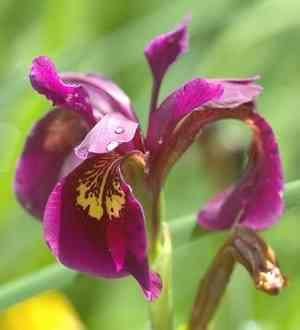
Gladiolus byzantinus (Gladiolus byzantinus)
Also known as: Byzantine Gladiolus, Sword Lily
Gladiolus byzantinus are perennial plants named from the Latin "Gladiolus," meaning "little sword," due to their blade-like leaves. The term "byzantinus" highlights their historical presence in the Byzantine region. Commonly grown for their striking, colorful blooms, these plants are popular in gardens and as cut flowers. Numerous hybrids have been developed to offer a variety of colors for ornamental use.
In This Article
Attributes of Gladiolus byzantinus
Lifespan
Perennial
Plant Height
1 m
Spread
1 m
Leaf Color
Green
Flower Size
2.5 cm to 8 cm
Flower Color
Magenta
Images of Gladiolus byzantinus
Quickly Identify Gladiolus byzantinus
1
Deep magenta flowers with cream midrib on lower petals
2
Tall unbranched stems reaching 2-3 feet (60-90 cm)
3
Thrives in a variety of soil conditions, including heavy clay
4
Frost-resistant foliage
5
Forms expanding clumps through cormels
Scientific Classification of Gladiolus byzantinus
Phylum
Vascular plants
Class
Monocotyledons
Order
Asparagales
Family
Iris
Genus
Gladioli
Species
Gladiolus byzantinus
Planting and Growing of Gladiolus byzantinus
Care Difficulty
Moderate
Watering Schedule
Every 4 days
Sunlight Requirements
Full sun
Sunshine Duration
4-8 hours
Ideal Temperature
60-75℉
Soil Type
Potting Mix, Peat Mix
Soil pH
6-7.5
Fertilizer Type
Balanced
Pruning Season
Spring, Summer
Pruning Area
Branches, Leaves
Pruning Frequency
2 times a year
Repotting Season
Spring
Pot Type
Plastic, Ceramic
 How to Water Gladiolus byzantinus?
For Gladiolus byzantinus, the watering should be enough to moisten the top 2-3 inches of soil thoroughly. Ideally, 500 ml of water per session will suffice, ensuring the soil remains consistently moist but not waterlogged. This is crucial for the plant's health and robust flowering.
What are the symptoms of an underwatered Gladiolus byzantinus?
›
What should I do if my Gladiolus byzantinus is not getting enough water?
›
What are the symptoms of an overwatered Gladiolus byzantinus?
›
How to save an overwatered Gladiolus byzantinus?
›
 What Are the Sunlight Requirements for Gladiolus byzantinus?
Gladiolus byzantinus thrives best in full to partial sun exposures, ideally in areas that bask in sunlight for most of the day. Adequate sunlight ensures luminous blooms and enhances the plant's robustness against environmental challenges.
What kind of sunlight does Gladiolus byzantinus prefer?
›
How can I ensure ideal lighting for Gladiolus byzantinus in a partially shaded garden?
›
What are the benefits of ideal lighting for Gladiolus byzantinus?
›
 What Is the Ideal Temperature Range for Gladiolus byzantinus?
Gladiolus byzantinus thrives best in temperatures between 60°F and 75°F. This range ensures optimal growth, healthy blooms, and vibrant color production. Maintaining this temperature is crucial to prevent stress and promote vigorous flowering.
 What Soil is Best for Gladiolus byzantinus?
Gladiolus byzantinus thrives in well-drained soil, which prevents waterlogging that can lead to root rot. This soil property ensures that the plant's roots remain healthy and unhindered by excess moisture, promoting robust growth. A nutrient-rich medium provides essential minerals that Gladiolus byzantinus needs for vibrant blooms. This requirement emphasizes the necessity for soil that provides a balanced supply of nutrients, helping the plant achieve its full growth potential. The plant prefers light textured soils which make it easier for roots to penetrate and spread. This type of soil facilitates efficient nutrient uptake and enhances the overall health of Gladiolus byzantinus.
 How to Fertilize Gladiolus byzantinus?
Gladiolus byzantinus requires a balanced approach to feeding. Use a water-soluble fertilizer diluted to half-strength for liquid feeds. For slow-release granules, apply according to the package instructions, which typically suggest about 1 teaspoon per square foot around the base of the plants, ensuring not to exceed this recommendation to avoid root damage.
 How to Prune Gladiolus byzantinus?
Begin by removing faded or spent flowers. This process, known as deadheading, prevents the plant from diverting energy into seed production and encourages new bloom development. Towards the end of the blooming season, trim back the flowering stalks close to the basal leaves. This helps redirect the plant's energy into root development and next season's growth. Remove any yellowing or dead leaves to keep the plant looking tidy. Healthy leaves should remain intact to continue photosynthesis for as long as they appear green and healthy.
More About Pruning Techniques→
 How to Propagate Gladiolus byzantinus plant?
1
Before planting, ensure the soil is well-drained and enriched with compost. This provides the necessary nutrients and structure for seed germination and root growth.
2
Sow the Gladiolus byzantinus seeds directly into the prepared soil at a depth of about one inch. Maintain spacing to allow for adequate air circulation and growth.
3
Carefully dig out the bulbs in early spring. Use a clean knife or shear to divide bulbs into sections, ensuring each section has roots attached, and replant immediately.
 How to Repot Gladiolus byzantinus plant?
1
Repotting Gladiolus byzantinus is ideally done when you notice the bulbs becoming crowded or the blooms are less prolific. Spring and autumn are the best seasons for this task. For best results, repot every 2-3 years or when signs of overgrowth are evident.
2
Choose a pot that is broad and moderately deep, allowing enough room for bulb expansion. Pots with drainage holes are essential to prevent waterlogging, which could cause bulb rot and other issues. A good pot ensures healthy root development and vibrant flowering.
3
Opt for a well-draining loamy soil mix enriched with organic matter. This soil type retains sufficient moisture while allowing excess water to drain away, promoting healthy root growth and preventing rot. Loamy soil provides the necessary nutrients for gladiolus.
Toxicity
Ingestion
WARNING
The judgment on toxicity and danger is for reference only. We DO NOT GUARANTEE any accuracy of such judgment. Therefore, you SHALL NOT rely on such judgment. It is IMPORTANT TO SEEK PROFESSIONAL ADVICE in advance when necessary.
Learn More About Gladiolus byzantinus Diseases
Anthracnose
Bacterial Leaf Spot
Bacterial Soft Rot
Bacterial Wilt
Chemical Injury
Crown Gall
Cyst Nematode
Damping-off
Downy Mildew
Drought Stress
Fusarium Wilt
Gray Mold
Leaf Spot
Mosaic
Nutrient Deficiency
Nutrient Toxicity
Powdery Mildew
Root Rot
Root-knot Nematode
Rusts
Sooty Mold
Spider Mites
Temperature Stress
Thrips Damage
White Mold



