How to Transplant Prairie Smoke?
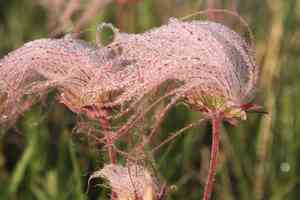
Relocating prairie Smoke during the invigorating period of early to mid-spring guarantees vigorous development. Place it in a brightly lit spot with soil that drains effectively. Carefully facilitate the roots' integration into their new environment for successful cultivation.
What Preparations are Needed Before Transplanting Prairie Smoke?
What is the Ideal Time for Transplanting Prairie Smoke?
The prime period for relocating prairie Smoke is at the onset of spring or as spring gains momentum. Transplanting at this time takes advantage of mild temperatures and increasing daylight, ensuring prairie Smoke has sufficient time to establish its root system before the full intensity of summer. Utilize this window to give your prairie Smoke the best start in its new spot, as spring's gentle weather aids its adaptation and growth.
How Much Space Should You Leave Between Prairie Smoke Plants?
When transplanting prairie Smoke, ensure a spacing of approximately 1-2 feet (30-60 cm) between each plant. This provides ample room for proper growth while maintaining an attractive clustered appearance. Proper spacing is crucial; confirm your layout before digging!
What is the Best Soil Mix for Prairie Smoke Transplanting?
Preparing the correct soil is vital for prairie Smoke. They thrive best in well-draining soil rich in organic matter. Spread a 1-3 inch (2.5-7.6 cm) layer of compost or aged manure on the soil surface to supply essential nutrients!
Where Should You Relocate Your Prairie Smoke?
When selecting a site for your prairie Smoke, consider its need for sunlight. These beautiful plants require full sun to partial shade. Position them where they will receive at least 3-6 hours of sunlight daily for optimal development!
What Equipments Should You Prepare Before Transplantation Prairie Smoke?
Gardening Gloves
To safeguard your hands while handling soil and prairie Smoke.
Shovel or Spade
To excavate a hole large enough for the prairie Smoke's root ball.
Garden Fork
To loosen the soil around the prairie Smoke prior to removal.
Watering Can or Hose
To moisten the soil before and after the transplanting process.
Compost or Organic Matter
To enrich the transplanting hole with beneficial nutrients for prairie Smoke.
Pruning Shears
To trim any damaged roots or foliage of prairie Smoke.
How Do You Remove Prairie Smoke from the Soil?
How Do You Remove Prairie Smoke from the Soil?
From Ground: First, hydrate the prairie Smoke to moisten the soil. Then, use a garden fork to carefully loosen the soil surrounding the prairie Smoke, ensuring the plant's root ball remains intact. Work the fork or spade beneath the root ball to lift the prairie Smoke from its original location.From Pot: If prairie Smoke is in a container, first water it thoroughly. Turn the pot sideways and grasp the plant's base. Gently pull the plant and root ball from the pot. If removal is difficult, roll the pot to loosen it, always being careful not to harm the roots.From Seedling Tray: Water the tray before transplanting. Use a spoon or similar tool to gently lift the prairie Smoke from the tray, making sure to keep the seedling and its roots undamaged.
Step-by-Step Guide for Transplanting Prairie Smoke
Pre-Preparation
Water the prairie Smoke a few hours before you plan to transplant. This will reduce stress on the plant during the process.
Digging the Hole
Use a spade or shovel to dig a hole that is twice as wide and the same depth as the prairie Smoke's root ball.
Preparing the Hole
Incorporate compost or organic matter into the hole and mix it with some garden soil.
Placing the Plant
Position prairie Smoke in the hole, ensuring the top of the root ball is level with the surrounding soil surface.
Backfill
Use garden soil to cover the roots and gently press down to eliminate any air pockets.
Watering
After transplanting, water prairie Smoke to help settle the soil.
How Do You Care For Prairie Smoke After Transplanting?
Initial Hydration
Immediately water prairie Smoke after transplanting until the soil is thoroughly damp. Keep the soil moist but not waterlogged for the initial few weeks.
Protection
For the first few days, shield the transplanted prairie Smoke from intense sunlight, strong winds, or other harsh environmental conditions.
Pruning
Trim any dead or damaged leaves to direct prairie Smoke’s energy towards root production rather than leaf repair.
Monitoring
Observe prairie Smoke's growth. If the plant shows signs of distress, there might be an issue with root development, disease, or pests. Take appropriate actions based on the symptoms observed.
Troubleshooting Common Issues with Prairie Smoke Transplantation.
When is the best time to transplant prairie Smoke?
The ideal time to transplant prairie Smoke is during the transitional seasons of spring and autumn.
How do I prepare the transplant hole for prairie Smoke?
Dig a hole twice as wide and as deep as the root ball of prairie Smoke. Ensure the hole is not excessively deep; the top of the root ball should be flush with the ground surface.
What's the best distance to separate prairie Smoke when transplanting?
It's best to space prairie Smoke 1-2 feet (about 30-60 cm) apart, providing each root ample room to grow and thrive.
What kind of soil does prairie Smoke prefer for transplantation?
Prairie Smoke prefers well-drained, fertile soil. Adding compost or good organic matter can enhance soil conditions.
How should I water prairie Smoke after transplanting?
Immediately after transplanting, water prairie Smoke thoroughly. Subsequently, keep the soil lightly moist but not overly saturated.
What light conditions are best for prairie Smoke after transplantation?
Prairie Smoke thrives in full sun to partial shade. However, excessive exposure to intense sun may harm the plant.
How should I handle prairie Smoke during transplantation?
Carefully lift the plant by the root ball, not the stems, during transplantation to minimize plant stress.
Should I fertilize prairie Smoke immediately after transplantation?
A slow-release fertilizer can be applied 2-4 weeks after transplanting prairie Smoke, allowing the plant time to establish itself first.
What should I do if the leaves of prairie Smoke start wilting after transplantation?
Wilting could indicate water stress. Ensure the plant is receiving sufficient, but not excessive, water. Adjust your watering schedule accordingly.
Will prairie Smoke bloom after being transplanted?
Prairie Smoke may not bloom in its first year after being transplanted. This is a normal part of the plant adjusting to its new location. Give it time to acclimate.



