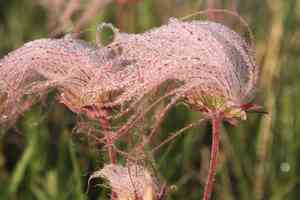
Prairie Smoke (Geum triflorum)
Also known as: Old Man's Whiskers
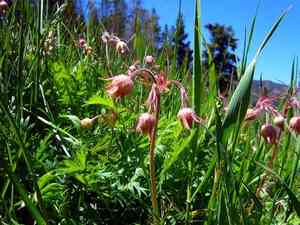
Prairie Smoke (*Geum triflorum*) is a perennial that showcases clusters of nodding, pinkish-red flowers in late spring to early summer. The flowers, appearing in groups of three, remain closed like buds until pollinated by bees. After pollination, the flowers become upright and eventually give way to feathery seed heads. These seed heads transition from a pink hue to a golden color as they dry and mature.
In This Article
Attributes of Prairie Smoke
Lifespan
Perennial
Plant Type
Herb
Plant Height
20 cm to 51 cm
Spread
30 cm
Leaf Color
Green
Flower Size
2.5 cm
Flower Color
Red Purple White Pink
Images of Prairie Smoke
Quickly Identify Prairie Smoke
1
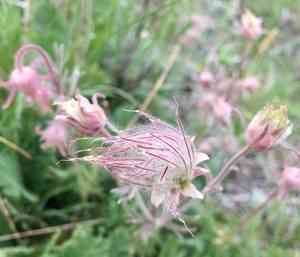
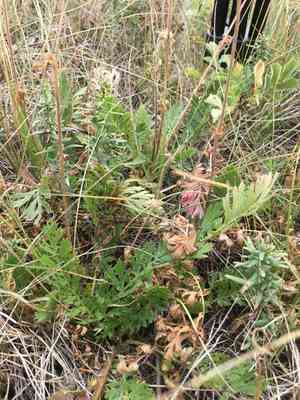
To identify Geum triflorum, look for its characteristic feathery seed heads. The plant has pinnate leaves with multiple leaflets and a basal rosette. The flowers are usually nodding and bell-shaped, transitioning from dark pink to smoky, plume-like heads as they mature.
Scientific Classification of Prairie Smoke
Phylum
Vascular plants
Class
Dicotyledons
Order
Rosales
Family
Rose
Genus
Avens
Species
Prairie Smoke
Planting and Growing of Prairie Smoke
Care Difficulty
Easy
Watering Schedule
Every 2 days
Sunlight Requirements
Full sun
Sunshine Duration
4-8 hours
Ideal Temperature
50-75℉
Soil Type
Potting Mix, Peat Mix
Soil pH
6.5-7.5
Fertilizer Type
Balanced
Pruning Season
Spring, Summer
Pruning Area
Branches, Leaves
Pruning Frequency
2 times a year
Repotting Season
Spring
Pot Type
Plastic, Ceramic
 How to Water Prairie Smoke?
When watering Geum triflorum, it’s best to provide about 250 ml each time, aiming to soak the soil thoroughly until water begins to drain out of the bottom. These plants prefer their soil to be consistently moist but not waterlogged. Adjust the amount according to the soil's water retention capacity.
What are the symptoms of an underwatered Prairie Smoke?
›
What should I do if my Prairie Smoke is not getting enough water?
›
What are the symptoms of an overwatered Prairie Smoke?
›
How to save an overwatered Prairie Smoke?
›
 What Are the Sunlight Requirements for Prairie Smoke?
Preferring full to partial sun, Geum triflorum thrives with optimal sunlight exposure. Receiving 4 to 6 hours daily ensures strong photosynthesis, resulting in robust growth and prolific flowering periods.
More About Sunlight Requirements Techniques→
What kind of sunlight does Geum triflorum prefer?
›
How do I ensure my Geum triflorum gets ideal sunlight?
›
What are the benefits of ideal sunlight for Geum triflorum?
›
 What Is the Ideal Temperature Range for Prairie Smoke?
The ideal temperature range for Geum triflorum is between 50°F and 75°F. This temperature range allows the plant to thrive, ensuring healthy growth and optimal flowering. Maintaining these temperatures supports its native habitat conditions, providing a balance between warmth and coolness.
 What Soil is Best for Prairie Smoke?
Geum triflorum thrives in well-drained soil that allows excess moisture to escape, preventing root rot. Ensuring your soil has excellent drainage is critical for the plant's health and longevity. Moderately fertile soil is ideal for Geum triflorum, as it supports steady growth without overwhelming the plant with nutrients that could lead to leggy stems. While requiring well-drained soil, Geum triflorum also benefits from soil that retains adequate moisture to support its growth, ensuring it receives enough water between rainfall events.
 How to Fertilize Prairie Smoke?
For Geum triflorum, it's important not to over-fertilize. Use a balanced fertilizer diluted to half-strength. For liquid fertilizer, mix 1 teaspoon with a gallon of water and apply sparingly. Slow-release granular fertilizers can be applied at a rate of about 1-2 pounds per 100 square feet.
 How to Prune Prairie Smoke?
Prune Geum triflorum in early spring or after its blooming period to encourage a second round of blooming. Cut back the flowering stems by about one-third to stimulate bushier growth and extra blooms. If you desire more plants or wish to propagate, leave some seed heads intact. Otherwise, trim them to prevent self-seeding. Removing spent blooms can tidy up the plant and encourage ongoing bloom production.
More About Pruning Techniques→
 How to Propagate Prairie Smoke plant?
1
Prior to planting, prepare soil by loosening it and removing any weeds. Add organic compost to improve nutrient content and ensure the soil drains well, as Geum triflorum prefers soil that is not waterlogged.
2
Sow Geum triflorum seeds on the surface of the soil, gently pressing them down. Cover with a thin layer of soil or sand to maintain humidity and exposure to light for germination.
3
For division propagation, carefully dig up the mother plant. Use a clean tool to separate the roots into smaller clumps, each with ample roots, and plant them immediately in prepared soil.
 How to Repot Prairie Smoke plant?
1
Geum triflorum should be repotted when you observe roots trailing out of the drainage holes. Additionally, if the plant appears crowded or growth seems stunted, it's a sign that the roots need more space. Spring and Autumn are ideal seasons for repotting, as they provide optimal conditions for recovery and growth.
2
Select a pot only slightly larger than the current one, with ample drainage holes. The pot material can be terracotta, which allows for better moisture control, or plastic, which is lightweight and retains moisture longer. Choosing correctly prevents root rot and enhances healthy growth.
3
For Geum triflorum, a well-draining soil mix is crucial. This can be achieved by mixing garden soil with organic matter and sand. This soil type will ensure adequate drainage and aeration, preventing waterlogging and promoting robust root development.
Learn More About Prairie Smoke Diseases
Anthracnose
Bacterial Leaf Spot
Bacterial Wilt
Crown Gall
Cyst Nematode
Damping-off
Downy Mildew
Drought Stress
Fusarium Wilt
Gray Mold
Leaf Spot
Mosaic
Nutrient Deficiency
Nutrient Toxicity
Powdery Mildew
Root Rot
Root-knot Nematode
Rusts
Sooty Mold
Spider Mites
Temperature Stress
Thrips Damage
White Mold



