How to Transplant Salal?
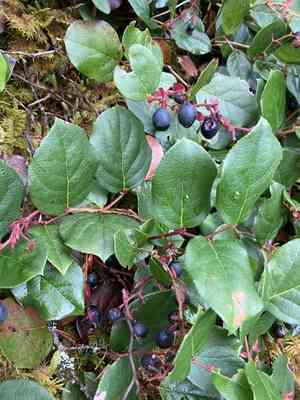
Relocate salal during the peak of early to mid-spring, just as its development is about to accelerate. Select shaded, adequately draining locations, mirroring its native forest habitat. Should it be necessary, enrich the soil with organic material to replicate salal's favored conditions. A gentle caution to safeguard the root system's health throughout the procedure.
Essential Preparations Before Relocating Salal?
Optimal Period for Salal Relocation?
The perfect time to move salal is during early to mid-spring. The mild weather conditions of this season are ideal for root establishment, ensuring a smooth transition and vigorous growth. Transplanting salal at this time leverages cooler temperatures and increased moisture, crucial for root development and successful relocation. Seize this opportunity to give salal the best start in its new spot, enhancing its resilience and vitality.
Recommended Spacing Between Salal Plants?
When planting salal, ensure ample room for growth. Ideally, provide about 5-6 feet (1.5-1.8 meters) between each plant. This spacing guarantees sufficient area for them to thrive and mature fully.
Best Soil Blend for Salal Transplantation?
For salal to flourish, it requires well-draining soil, a mix of sand, silt, and a small amount of clay. Incorporate organic compost or a slow-release fertilizer into the base soil for a nutrient-rich environment.
Optimal Location for Salal Relocation?
Salal prefers partial sun to full shade. Shield it from intense afternoon sun to prevent scorching. East-facing spots are best, allowing it to enjoy morning sunlight without overheating.
Equipment Needed Before Transplanting Salal?
Gardening Gloves
To safeguard your hands from sharp tools and the rough texture of the soil.
Trowel
This small shovel is perfect for digging up smaller plants like salal, minimizing disturbance to the surrounding soil.
Shovel or Spade
For larger salal plants, or those in the ground, a long-handled tool may be necessary to reach deeper roots.
Watering Can
For hydrating the plant before and after its relocation.
Pruning Shears
To trim away any dead or damaged stems of salal.
Garden Fork
To loosen the soil around salal prior to transplanting and to mix in compost or other soil amendments at the new site.
Wheelbarrow
This will facilitate moving the uprooted salal to its new location.
How to Extract Salal from the Soil?
How to Extract Salal from the Soil?
From Ground: To remove salal from the ground, start by moistening the surrounding soil. This makes excavation easier without harming the roots. Use your shovel or spade to dig a wide circle around the plant, keeping the edge of the circle several inches from the base to avoid cutting major roots. Once you've dug around the entire plant, work your shovel or garden fork under the root ball and gently lift the salal plant from the ground.From Pot: If salal is currently in a pot, begin by watering the pot thoroughly. This should make the soil and root ball easier to remove. Tilt the pot on its side and gently slide out the salal. If the plant resists, you might need a trowel or your hands to loosen the soil around the pot's edges before trying again.From Seedling Tray: For salal growing in a seedling tray, gentleness is key. Use a spoon or a small trowel to lift the plant, ensuring to retain as much of the root and soil as possible.
Step-by-Step Guide for Relocating Salal
Preparation
Prepare the new planting hole before you start removing salal from its current spot. The hole should be at least twice as wide and the same depth as the current salal root ball.
Removal
Follow the removal process detailed above. Remember to minimize root damage during this step.
Transplant
Place salal in the newly dug hole, ensuring it stands upright. Backfill the hole with soil and firm it around the root ball.
Water
Water the salal thoroughly immediately after transplanting. Keep the soil moist, but not waterlogged, until the plant has established.
Check
Over the next few days, regularly inspect the plant to ensure its success. Look for signs of transplant shock, such as wilting or yellowing leaves.
Post-Transplantation Care for Salal?
Watering
Ensure the soil remains consistently moist for the initial few weeks after transplanting. Both excessive and insufficient water can harm salal and impede its establishment in the new location. However, avoid overwatering to prevent root rot.
Pruning
Pruning encourages growth. Remove dead or damaged stems and leaves, but avoid heavy pruning until salal has had a chance to settle into its new location.
Monitoring
Closely observe your transplanted salal over the next few weeks. Watch for signs of stress or disease, such as discolored leaves or stunted growth.
Addressing Common Salal Transplantation Issues.
When is the best time to move salal?
The optimal period to relocate salal is from early spring to late summer. This timeframe allows the plant sufficient time to establish itself in the new location before winter arrives.
What is the correct spacing for salal in the garden?
When planting salal, maintain a distance of approximately 5-6 feet (1.5-1.8 meters). This provides ample room for future growth and ensures healthy development.
What is the ideal way to prepare the soil for salal transplanting?
Enrich the soil with organic matter before transplanting. Salal thrives in acidic, well-drained soil. Also, prepare a hole twice as wide and deep as the plant's rootball.
What should I consider when selecting a new site for salal?
Salal performs best in partial sunlight to full shade. Choose a location where the plants will receive adequate light but are still protected from intense midday sun.
How should I water salal after it's been transplanted?
Water salal thoroughly right after transplanting, and keep the soil consistently moist until the plant is well-established. However, avoid waterlogging, as this can harm its roots.
Is mulching important after transplanting salal?
Yes, applying mulch around salal helps retain soil moisture, protects its roots from temperature fluctuations, and reduces weed competition.
Do I need to prune salal after transplanting?
Pruning is not necessary immediately after transplanting. Allow salal to settle in first, then prune lightly to shape it and remove dead or broken branches.
Should I fertilize salal right after transplanting?
You don't need to fertilize salal immediately after transplanting. Allow it to adjust to its new surroundings first, then consider using a slow-release acidic fertilizer.
Should I stake salal after it has been transplanted?
Salal rarely requires staking; the plant is generally robust enough to support itself. However, if the plant is mature and has a loose root ball, staking might be beneficial.
What are the indicators of transplant shock in salal?
Signs of transplant stress in salal may include yellowing leaves, wilting, slowed growth, and leaf drop. If these signs appear, ensure proper watering and reduce direct sun exposure.



