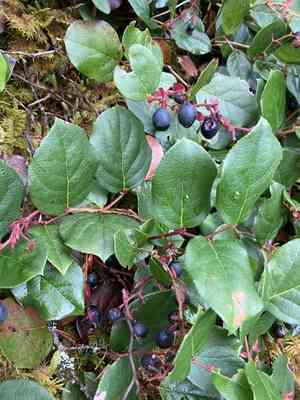
Salal (Gaultheria shallon)
Also known as: Lemonleaf
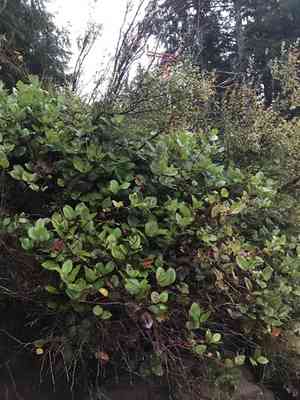
Salal (Gaultheria shallon) is a plant native to western North America, often found growing alongside Western poison oak. Both its leaves and berries are edible and can act as an appetite suppressant. The berries are commonly used in making jams and pies.
In This Article
Attributes of Salal
Lifespan
Perennial
Plant Type
Shrub
Plant Height
20 cm to 5 m
Spread
1 m
Leaf Color
Green
Flower Size
7 mm to 8 mm
Flower Color
White Pink
Images of Salal
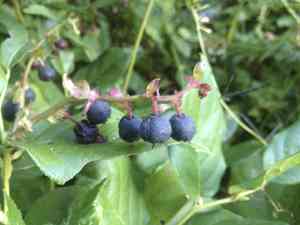
Quickly Identify Salal
1
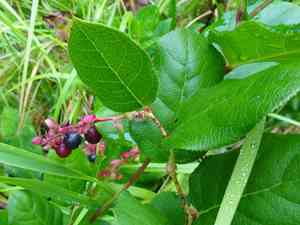
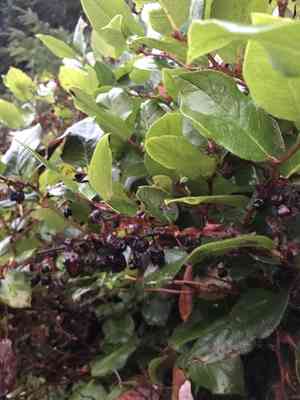
Leathery oval leaves, 2-5 inches (5-12.7 cm) long, with glossy upper surface.
2
One-sided raceme flowers, urn-shaped, 0.3 inches (8 mm) long, white to pinkish.
3
Small blue-black berries, 0.4 inches (1 cm) in diameter, rough, hairy surface.
4
Thick, shiny, deep green leaves, oval to round, 2-4 inches (5-10 cm) long.
5
Red young shoots transitioning to smooth grayish-brown stem, 0.2 to 0.4 inches (0.5 to 1 cm) thick.
Scientific Classification of Salal
Phylum
Vascular plants
Class
Dicotyledons
Order
Ericales
Family
Heath
Genus
Snowberries
Species
Salal
Planting and Growing of Salal
Care Difficulty
Easy
Watering Schedule
Every 4 days
Sunlight Requirements
Full shade
Sunshine Duration
4-8 hours
Ideal Temperature
50-65℉
Soil Type
Potting Mix, Peat Mix
Soil pH
5-6.5
Fertilizer Type
Balanced
Pruning Season
Spring, Summer
Pruning Area
Branches, Leaves
Pruning Frequency
2 times a year
Repotting Season
Spring
Pot Type
Plastic, Ceramic
 How to Water Salal?
Gaultheria shallon, commonly known as Salal, requires approximately 250 milliliters of water per session. This amount ensures the soil is evenly moist but not waterlogged, providing the ideal balance for its root system.
What are the symptoms of an underwatered Salal?
›
What should I do if my Salal is not getting enough water?
›
What are the symptoms of an overwatered Salal?
›
How to save an overwatered Salal?
›
 What Are the Sunlight Requirements for Salal?
Partial sun and full shade are beneficial for Gaultheria shallon. Ideal light conditions support robust leaf develops and optimal health without the risks of overexposure or energy deficiency.
More About Sunlight Requirements Techniques→
How much sunlight is optimal?
›
Can full sun harm Gaultheria shallon?
›
What steps can enhance its growth?
›
 What Is the Ideal Temperature Range for Salal?
For optimal growth, Gaultheria shallon thrives best in temperatures ranging from 50°F to 65°F. This range provides the perfect balance for maintaining healthy foliage and encouraging robust development. It is essential to keep these plants in a stable environment to avoid stress, which can lead to poor health and reduced vitality.
 What Soil is Best for Salal?
Gaultheria shallon thrives in well-drained soils, which helps prevent root rot by allowing excess water to escape and ensures the roots receive sufficient oxygen. This plant benefits from moisture-retentive soils as it prefers consistent moisture levels, which support vigorous growth and prevent stress during dry periods. Incorporating organic matter like compost enhances nutrient availability and soil structure, fostering a fertile environment for Gaultheria shallon's growth.
More About Soil→
 How to Fertilize Salal?
Gaultheria shallon typically requires light fertilization. An application of one tablespoon of balanced 10-10-10 fertilizer per plant generally suffices. Ensure the fertilizer is evenly distributed around the base, avoiding direct contact with the stems.
More About Fertilizing Techniques→
 How to Prune Salal?
Begin by inspecting the plant for any dead, diseased, or damaged branches, and remove them completely. Trim back overgrown branches to a lateral shoot or bud, maintaining a natural shape. To encourage a denser formation, cut back stems to just above a pair of leaves or a new bud. Avoid cutting more than one-third of the plant's overall size to minimize stress.
More About Pruning Techniques→
 How to Propagate Salal plant?
1
Collect seeds from mature Gaultheria shallon fruit. Ensure the fruit is fully ripe before extracting seeds for optimal germination results.
2
Take cuttings from a healthy plant. Cut below a node, and ensure the cutting is at least 4-6 inches long with several leaves removed from the lower part.
3
Carefully dig up the plant and separate the rhizomes with minimal damage. Each section should have both roots and shoots for successful propagation.
 How to Repot Salal plant?
1
Gaultheria shallon, commonly known as salal, should be repotted when you notice roots emerging from the drainage holes or when its growth appears stunted. This typically indicates that the plant has outgrown its current container. Spring and autumn are ideal seasons for repotting, as mild temperatures create an optimal environment for recovery and new growth.
2
Select a pot that is 2-3 inches larger in diameter than the current one. Ensure it has adequate drainage holes at the bottom to prevent waterlogging, which can lead to root rot. A slightly larger pot gives the roots space to expand and improve nutrient uptake while avoiding excessive soil that can retain too much moisture.
3
Opt for a well-draining soil mix that is rich in organic matter, such as a peat-based acidic mix. This type of soil mimics the plant’s natural forest floor habitat, ensures proper drainage while retaining essential moisture, and supports the plant’s nutritional requirements for optimum growth.



