How to Transplant Tahitian gardenia?
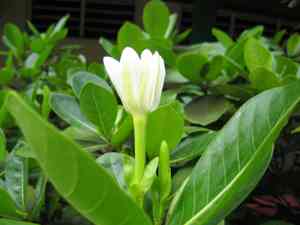
The most favorable time to transplant tahitian gardenia is when warm temperatures are stable, usually in late spring or at the beginning of summer. Select a location that receives ample sunlight and has soil that drains effectively. Careful handling is crucial to safeguard fragile roots throughout the moving process.
What Preparations are Needed Before Transplanting Tahitian Gardenia?
What is the Ideal Time for Transplanting Tahitian Gardenia?
The optimal period to relocate tahitian gardenia is from late spring to early summer. This timing facilitates root development prior to the peak heat of midsummer. Moving tahitian gardenia during this window allows it to benefit from warm soil, which promotes root growth, while experiencing moderate temperatures that reduce stress. This prepares tahitian gardenia for a vigorous growing season ahead. A gentle reminder for garden enthusiasts: this timing ensures your tahitian gardenia has the best start in its new location, fostering a lush, vibrant display.
How Much Space Should You Leave Between Tahitian Gardenia Plants?
When planting tahitian gardenia, remember they require room to expand. Aim for a spacing of approximately 3-6 feet (around 0.9-1.8 meters) between each plant. This will enable them to flourish without competing for resources.
What is the Best Soil Mix for Tahitian Gardenia Transplanting?
Preparing the soil for tahitian gardenia is essential. Strive for well-draining, nutrient-rich soil. When getting the soil ready, spread a foundational layer of balanced garden fertilizer. This will provide your plant with a strong beginning.
Where Should You Relocate Your Tahitian Gardenia?
Tahitian gardenia enjoys sunlight, but not excessively! Locate a spot in your garden that receives full to partial sun throughout the day. This will offer them the perfect light balance needed for lush and vibrant growth.
What Equipments Should You Prepare Before Transplantation Tahitian Gardenia?
Gardening Gloves
To shield your hands from direct soil contact and minor abrasions while handling the plant.
Shovel/Spade
Utilized for excavating the plant for initial removal and also preparing the transplant site.
Pruning Shears
To trim away any dead or superfluous parts of the plant before relocation.
Watering Can
Necessary to hydrate the plant before and after the transplanting procedure.
Wheelbarrow or Large Container
To transport tahitian gardenia without causing damage.
How Do You Remove Tahitian Gardenia from the Soil?
How Do You Remove Tahitian Gardenia from the Soil?
From Ground: After tahitian gardenia has been thoroughly watered to moisten the soil, a trench should be dug around it. This should be wide enough to encompass the root ball, allowing you to carefully disturb as little of the plant's root system as possible. The spade should then be worked beneath the root ball to lift the plant from its original spot.From Pot: Begin by watering the plant to aid removal. Tilt the pot sideways, hold the plant at its base, and gently pull. The root ball should slide out cleanly. If it resists, squeeze the pot to loosen the soil and roots.From Seedling Tray: Water the tray first, then lift the seedling by its leaves to avoid stem damage. Gently ease the root ball out, taking great care not to harm the delicate roots.
Step-by-Step Guide for Transplanting Tahitian Gardenia
Preparation
Your chosen location should be ready before extracting tahitian gardenia. The hole dug should be twice the width of the root ball and equally deep.
Placement
Once the hole is prepared, position tahitian gardenia in it, ensuring the top of the root ball is level with the ground. You wouldn't want it planted too deeply or too shallowly.
Backfilling
Refill the hole with the excavated soil, gently firming it around the base of tahitian gardenia. This provides the root ball with initial stability.
Watering
Giving tahitian gardenia a generous watering immediately after transplanting will help the surrounding soil settle around the root ball.
Continued Care
Pay close attention to tahitian gardenia over the next week, ensuring it has sufficient moisture and observing for any indications of transplant shock.
How Do You Care For Tahitian Gardenia After Transplanting?
Watering
Ensuring the soil around tahitian gardenia remains consistently moist, but not waterlogged, is crucial for the first few weeks post-transplant to establish a healthy root system.
Pruning
Any dead or dying sections of tahitian gardenia should be trimmed to allow the plant to direct its energy towards establishing new roots rather than maintaining unnecessary parts.
Monitor
Keep a close watch on tahitian gardenia for signs of distress that could indicate a failing transplant, such as wilting, yellowing, or dropped leaves. Act promptly if these signs are observed.
Troubleshooting Common Issues with Tahitian Gardenia Transplantation.
What's the ideal season to transplant tahitian gardenia?
The optimal period to transplant tahitian gardenia is during the shift from spring to summer. This timeframe creates an excellent environment for the plant to acclimate.
How far apart should I space tahitian gardenia plants when transplanting?
The recommended distance between each tahitian gardenia is between 3 to 6 feet (0.91-1.83 m). This prevents overcrowding and allows ample room for robust growth.
Are there any special soil requirements for transplanting tahitian gardenia?
Tahitian gardenia prefers well-draining soil with a slightly acidic pH. Incorporating organic compost into the soil during transplanting can enhance its nutrient content and foster better plant growth.
How deeply should I plant tahitian gardenia during a transplant?
Plant tahitian gardenia to the same depth as its height in the pot. The top of the root ball should rest at the soil level in your garden or container, not below.
Should I water tahitian gardenia immediately after transplanting, and how often thereafter?
Yes, you should water tahitian gardenia right away, and continue watering regularly. Your tahitian gardenia requires consistent moisture to thrive, but avoid waterlogged soil. Be conservative during winter months.
How much sunlight does tahitian gardenia need after transplanting?
Tahitian gardenia thrives in full sun to partial shade. However, it's important to gradually introduce it to sunlight. Sudden exposure to intense sun could lead to scorching.
Should I fertilize tahitian gardenia after transplanting, and what type of fertilizer is suitable?
After transplanting tahitian gardenia, wait for a couple of weeks before applying a slow-release, balanced fertilizer. Avoid anything too high in nitrogen as it could harm the roots.
Why are the leaves of my transplanted tahitian gardenia yellowing?
Yellowing leaves after relocating tahitian gardenia can stem from various factors. Overwatering, nutrient deficiency, or insufficient sunlight might be responsible. Review your care routine to rectify the issue.
Why is my transplanted tahitian gardenia not blooming?
Blooming in tahitian gardenia can be impeded by several factors. Inadequate sunlight, improper watering, lack of nutrients, or an abrupt environmental change could be potential causes.
Can I transplant tahitian gardenia indoors and what are the specific measures for it?
Tahitian gardenia can be moved indoors with ample sunlight. Always ensure proper drainage in pots and maintain a stable indoor temperature between 65-75°F (18-24°C) for optimal growth.



