How to Transplant Black ash?
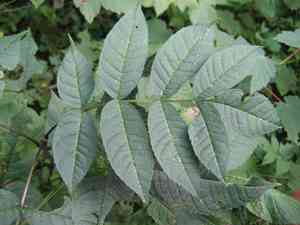
The optimal period for transplanting black ash is in the mild warmth of early summer, which guarantees successful establishment. Select damp, adequately drained locations protected from powerful gusts, and if needed, slightly enrich the earth to accommodate black ash.
What Preparations are Needed Before Transplanting Black Ash?
What is the Ideal Time for Transplanting Black Ash?
Moving black ash during the transition from late spring to early summer provides an advantage, allowing its root system to establish in warmer ground. This period offers a perfect balance of mild temperatures and increased daylight, creating optimal conditions for black ash. Selecting this timeframe maximizes black ash's chances of flourishing, as frost danger has passed, and intense summer heat has not yet arrived. This strategic timing ensures black ash has ample opportunity to adapt and benefit from the peak growing season.
How Much Space Should You Leave Between Black Ash Plants?
When relocating black ash, ample spacing is crucial! Position them approximately 20-30 feet (6-9 meters) apart. This provides sufficient room for growth and ensures optimal health and visual appeal.
What is the Best Soil Mix for Black Ash Transplanting?
For black ash, utilize soil that drains well and is rich in organic matter. Applying a base fertilizer will supply essential nutrients. A slow-release option will nourish them over time, which is perfect for newly transplanted specimens!
Where Should You Relocate Your Black Ash?
Black ash thrives in full to partial sun. An east or south-facing spot would be excellent. Ensure the chosen location receives at least 6-8 hours of direct sunlight daily for optimal development.
What Equipments Should You Prepare Before Transplantation Black Ash?
Gardening Gloves
To safeguard your hands while handling soil and black ash.
Shovel or Spade
These tools will be used to excavate the hole for the black ash and extract it from its original spot.
Wheelbarrow or Garden Cart
For safely moving the black ash from its initial location to the new planting site.
Pruning Shears
Useful for trimming any damaged roots or branches prior to transplanting the black ash.
Hand Trowel
A convenient tool for making minor adjustments to the planting hole.
Watering Can or Garden Hose
To hydrate the black ash after its relocation.
Mulch
To help retain soil moisture around the black ash following transplantation.
How Do You Remove Black Ash from the Soil?
How Do You Remove Black Ash from the Soil?
From Ground: Begin by thoroughly watering the black ash plant to moisten the surrounding soil, making extraction easier and minimizing root system damage. Once the soil is damp, start digging a wide trench around the plant using your spade or shovel. Be careful to keep the plant's root ball intact as you gently work your spade or shovel beneath it, loosening the soil, then carefully lifting the plant from the hole.From Pot: If the black ash plant is in a container, you should start by watering it well. To remove, turn the pot on its side, hold the black ash near its base, and gently pull and shake the plant free. If it's stuck, you might need to tap the pot's bottom to loosen the root ball.From Seedling Tray: When dealing with a black ash seedling in a tray, gentleness is key. Water the seedlings, then use a small gardening tool like a trowel or even a spoon to carefully lift out the seedling, ensuring as many roots as possible are included.
Step-by-Step Guide for Transplanting Black Ash
Identify Location
Select an ideal spot in your garden, considering space limitations. The chosen location should accommodate the black ash's mature size.
Dig a hole
Using your shovel, excavate a hole that is two to three times the width of the black ash's root ball and equal in depth to the root ball.
Position the black ash
Carefully place the black ash into the hole, ensuring it stands upright. The top of the root ball should be level with or slightly above the surrounding soil to allow for settling and proper drainage.
Backfill the hole
Surround the black ash's root ball with soil, gently tamping it down as you proceed to eliminate any large air pockets.
Water the black ash
Saturate the soil with water until it is thoroughly moist.
Mulch the base
Apply a 2-3 inch layer of mulch around the base of the black ash, taking care not to let it touch the trunk.
How Do You Care For Black Ash After Transplanting?
Watering
Provide consistent moisture to the black ash during its initial year post-transplant. The soil should remain damp but never waterlogged. Avoid wetting the leaves or trunk of the black ash, as this can lead to fungal diseases.
Pruning
Minimal pruning should be performed immediately after transplantation. Do not heavily prune the black ash until it has been in the ground for at least one year.
Monitoring
Watch for any signs of stress in the black ash, such as wilting or yellowing foliage. If observed, adjust watering and inspect for pests and diseases.
Troubleshooting Common Issues with Black Ash Transplantation.
When is the best time to transplant black ash?
Ideally, black ash should be moved during the period between summer and autumn, often referred to as 'S3-S4'.
What's the recommended space between black ash plants?
To provide each black ash with sufficient sunlight and root development space, maintain a distance of 20-30 feet (6.1-9.1 meters) between each plant.
What should I do if black ash doesn't seem to thrive post-transplant?
Don't worry! Black ash may require time to adapt. Ensure it receives adequate water, sunlight, and nutrients. If the problem persists, consult a specialist.
How deep should I plant black ash?
Black ash's roots should be planted deep enough to be fully covered but not excessively deep. Typically, this means the same depth as its original container.
How often should I water black ash after transplanting?
Water black ash thoroughly immediately after transplanting. Subsequently, water deeply but less frequently to encourage robust root growth. Adjust based on climatic conditions.
How can I prepare the soil for black ash transplantation?
Enhance soil fertility by incorporating organic compost. The soil should be well-drained to prevent waterlogged roots. Check the soil's pH level; black ash prefers slightly acidic to neutral soil.
What should I do if black ash leaves turn yellow after transplantation?
Yellow leaves might indicate water stress or a nutrient deficiency. Check soil moisture and amend the soil if necessary. Remember, deep, regular watering is more beneficial than frequent, shallow watering.
Can I prune black ash after transplanting?
Avoid significant pruning immediately after relocating black ash as it stresses the plant. If essential, only remove dead or diseased branches.
What if black ash develops spots or fungal infection after transplant?
Prompt detection is crucial. Treat infections quickly using appropriate anti-fungal or anti-bacterial solutions. If uncertain, consult a plant health expert.
Does black ash need any special care after transplantation?
Black ash does not require unique care post-transplantation. Consistent watering, exposure to sunlight, and well-drained, fertile soil should keep it healthy.



