How to Transplant Wild hops?
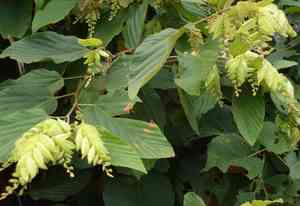
For wild hops, the most favorable period for transplantation is when spring transitions into summer, owing to consistent, elevated temperatures. Select a location offering effective drainage and dappled sunlight. Careful manipulation is crucial to prevent root trauma.
What Preparations are Needed Before Transplanting Wild Hops?
What is the Ideal Time for Transplanting Wild Hops?
The best time to move wild hops to a new spot is during the increasing warmth of late spring and early summer. This period offers mild temperatures and consistent sunlight, promoting strong root development and vigorous growth. Transplanting wild hops during this window maximizes their chances of thriving, benefiting from the season's supportive conditions. A favorable climate encourages robust development after transplant, ensuring your wild hops flourish in their new environment.
How Much Space Should You Leave Between Wild Hops Plants?
Hello there! For your wild hops, you'll want to give them ample room to thrive. Aim for spacing them approximately 3 feet 3 inches to 6 feet 6 inches (1-2 meters) apart. This ensures each wild hops has sufficient space to grow large and strong!
What is the Best Soil Mix for Wild Hops Transplanting?
Now, let's prepare the soil for your wild hops! They will flourish in well-draining soil enriched with organic matter. Incorporate a balanced, slow-release fertilizer before plantingâsuch as a 10-10-10 blendâto give them a good start.
Where Should You Relocate Your Wild Hops?
Finding the perfect location for your wild hops is crucial! Select a spot that receives partial to full sunlight for optimal growth. This means an area where they will get a good mix of shade and sun throughout the day.
What Equipments Should You Prepare Before Transplantation Wild Hops?
Gardening Gloves
To safeguard your hands while handling soil and plants.
Shovel or Spade
For excavating the plant and creating a hole at the new site.
Pruning Shears
For trimming any damaged or overly long roots.
Watering Can or Hose
For hydrating the plant before and after relocation.
Wheelbarrow or Garden Cart
For moving the plant to its new position.
Trowel
For detailed work around roots and smaller digging tasks.
Garden Fork
To loosen the soil surrounding the plant's roots if it's being removed from the ground.
Measuring Tape
To ensure correct spacing between the transplanted plant and others.
How Do You Remove Wild Hops from the Soil?
How Do You Remove Wild Hops from the Soil?
From Ground: Water the wild hops plant thoroughly beforehand to make the soil easier to manage. Use a garden fork or spade to gently loosen the soil around the plant, creating a wide circle to protect as much of the root system as possible. Carefully lift the plant, maintaining the integrity of the root ball.From Pot: First, water the wild hops plant to moisten the soil, making removal simpler. Turn the pot on its side and gently tap or squeeze to dislodge the plant. Grasp the base of the plant and carefully slide it out of the pot, ensuring the root ball remains intact.From Seedling Tray: Lightly water the seedlings to firm the soil. Use a trowel or a specialized seedling dibber to gently lift each wild hops seedling, being careful not to harm the delicate roots. Hold by the leaves rather than the stem to prevent damage.
Step-by-Step Guide for Transplanting Wild Hops
Prepare the New Site
Clear the area of weeds or debris and loosen the soil with a shovel or fork. This readies the new site to receive the wild hops's roots without undue stress.
Dig the Hole
Use a shovel to dig a hole that is twice as wide as the root ball and of the same depth to ensure wild hops isn't planted too deep or shallow. The loose soil will help roots to easily establish in the new location.
Remove the Plant
Following the previously described removal process, carefully extract the wild hops with the root ball intact for immediate transplanting.
Place the Plant
Carefully position the wild hops in the center of the hole, gently spreading out the roots. The plant should sit at the same soil level as it did in its original spot.
Refill the Hole
Backfill the hole with the soil you removed, gently tamping down around the plant to eliminate air pockets. Leave a slight depression around the plantâs base to hold water.
Water Thoroughly
Water the wild hops generously after transplanting to settle the soil and hydrate the roots. A slow and deep watering method is recommended to encourage downward root growth.
How Do You Care For Wild Hops After Transplanting?
Observation
Regularly inspect the wild hops for signs of stress such as wilting or discolored leaves. This will help you take prompt corrective actions.
Mulching
Apply a layer of organic mulch around the base of wild hops to retain moisture, regulate soil temperature, and reduce weed growth.
Support Structures
If needed, provide support structures like stakes, especially if wild hops is tall or susceptible to winds. This will help the plant remain upright and grow correctly.
Pruning
Trim away any broken or damaged roots and foliage during transplanting but avoid excessive pruning which could stress wild hops.
Pest and Disease Watch
Keep an eye out for pests and diseases that could take advantage of wild hops's potentially weakened state post-transplant and address issues swiftly.
Troubleshooting Common Issues with Wild Hops Transplantation.
What's the best season for transplanting wild hops?
The optimal time to transplant wild hops is when spring transitions to summer, ideally late spring to early summer.
How much space does wild hops require after transplanting?
Space out wild hops's new home about 3 to 6 feet (1-2 meters) apart to ensure ample room for healthy growth.
How deep should I plant wild hops during transplanting?
The hole for wild hops should comfortably accommodate the root ball, and be as deep as its current pot or ground level.
What should I do if my wild hops wilts post-transplant?
Provide wild hops with sufficient water, shield it from intense sun, and be patient. It needs time to adapt to its new location.
Can I use fertilizer right after transplanting wild hops?
Hold off on applying fertilizer; let wild hops settle for about 4-6 weeks, then feed gently to avoid overwhelming it.
What's the indicator that wild hops is ready to be transplanted?
Wild hops is ready when new growth appears, ensuring it's robust enough for the move.
Why are the leaves of my transplanted wild hops turning yellow?
Yellowing leaves could signal stress or overwatering. Ensure proper drainage and avoid excessive watering.
How to prepare the soil for transplanting wild hops?
Work the soil until it's loose, remove weeds, and mix in organic compost for a nutrient-rich bed for wild hops.
What to do if wild hops isn't thriving after transplant?
First, check if it's a water, sun, or soil issue. Adjust care accordingly, and ensure you're not over or under-watering wild hops.
Is it necessary to prune wild hops when transplanting?
Trim back any damaged or excessively long roots before transplanting wild hops to promote healthy regrowth in its new location.



