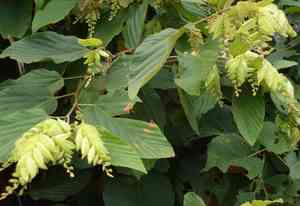
Wild hops (Flemingia strobilifera)
Also known as: Wild hops, Luckivier lima
Wild hops are native to Europe, western Asia, and North America. Unlike cultivated hops, wild hops often grow as climbing or scrambling plants in their natural habitats. They have also spread to various other regions.
In This Article
Attributes of Wild hops
Lifespan
Perennial
Plant Type
Shrub
Plant Height
30 cm to 3 m
Spread
Approximately 1 to 2 meters
Leaf Color
Green
Flower Size
5 cm to 11 cm
Flower Color
Yellow Green Orange
Images of Wild hops
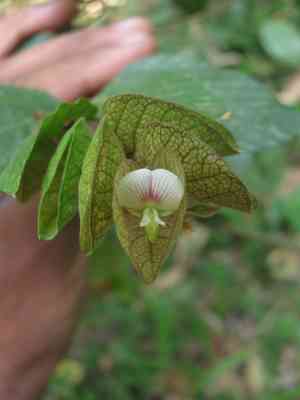
Quickly Identify Wild hops
1
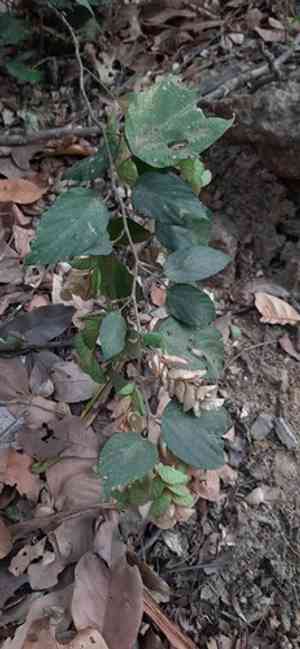
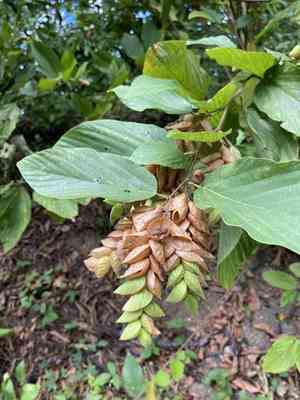
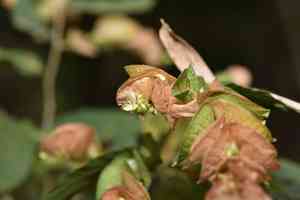
Flemingia strobilifera can be identified by its small, pine cone-like fruiting structures and hairy leaves. The leaves are green and broadly elliptic, while the seeds inside the cone-like fruit are black and shiny. The stems are woody, and the plant emits a subtle aromatic scent.
Scientific Classification of Wild hops
Phylum
Vascular plants
Class
Dicotyledons
Order
Fabales
Family
Legume
Genus
Flemingia
Species
Wild hops
Planting and Growing of Wild hops
Care Difficulty
Easy
Watering Schedule
Every 2 days
Sunlight Requirements
Partial sun
Sunshine Duration
4-8 hours
Ideal Temperature
68-86℉
Soil Type
Potting Mix, Peat Mix
Soil pH
6.5-7.5
Fertilizer Type
Balanced
Pruning Season
Spring, Summer
Pruning Area
Branches, Leaves
Pruning Frequency
2 times a year
Repotting Season
Spring
Pot Type
Plastic, Ceramic
 How to Water Wild hops?
For Flemingia strobilifera, ensuring the soil is adequately moist but not waterlogged is crucial. Aim for about 500ml per watering session, allowing for proper soil drainage. The plant thrives when watered deeply, ensuring moisture reaches the root zone, but avoid leaving water pooled on the surface.
What are the symptoms of an underwatered Wild hops?
›
What should I do if my Wild hops is not getting enough water?
›
What are the symptoms of an overwatered Wild hops?
›
How to save an overwatered Wild hops?
›
 What Are the Sunlight Requirements for Wild hops?
Partial sun provides gentle morning light with afternoon shade, which is ideal for Flemingia strobilifera. This supports robust growth and helps maintain healthy foliage.
How much sunlight does Flemingia strobilifera need?
›
What solutions can provide ideal lighting to Flemingia strobilifera?
›
What are the benefits of ideal light conditions for Flemingia strobilifera?
›
 What Is the Ideal Temperature Range for Wild hops?
The ideal temperature range for Flemingia strobilifera falls between 68°F and 86°F. Within this range, the plant can thrive, showing optimal growth and development. Temperatures in this range ensure that physiological processes such as photosynthesis and respiration occur efficiently, promoting healthy foliage and flowering.
 What Soil is Best for Wild hops?
Flemingia strobilifera thrives in well-draining soil, preventing waterlogging which can lead to root rot. A loamy composition ensures that the roots receive adequate air and do not suffocate, promoting healthy growth. This plant requires soil with moderate fertility to support its growth without overwhelming it with excess nutrients. Too rich a soil might lead to excessive foliage at the expense of flowers. The soil should maintain a pH that is neutral to slightly acidic, typically between 6.5 and 7.5. This range ensures the plant can absorb the necessary nutrients without encountering nutrient lockout.
 How to Fertilize Wild hops?
For Flemingia strobilifera, it's essential to use a balanced 10-10-10 NPK fertilizer. When using liquid fertilizer, it's advisable to apply it in a diluted form, typically half the concentration recommended by the manufacturer. This helps prevent nutrient overdose while ensuring the plant receives adequate nourishment.
 How to Prune Wild hops?
Ensure your pruning shears are clean and sharp to make precise cuts and minimize plant stress. Disinfect tools with rubbing alcohol or a similar disinfectant to prevent transmitting diseases between plants. Start by removing dead, damaged, or diseased branches to improve air circulation. Then, trim back to preferred lengths, focusing on maintaining a balanced, symmetrical shape for aesthetic reasons. Trim above a node or leaf cluster at a 45-degree angle to promote branching and denser foliage. This approach encourages the plant to grow more vigorously, resulting in a fuller appearance.
More About Pruning Techniques→
 How to Propagate Wild hops plant?
1
Collect healthy seeds from mature Flemingia strobilifera plants. Before sowing, soak the seeds overnight in warm water to soften the seed coat and enhance germination rate.
2
During early summer, select healthy and semi-hardwood branches to cut. Each cutting should be about 10-15 cm long and have at least a couple of leaves.
3
In spring, dig up a mature plant and gently separate roots to form new divisions. Ensure each division has a good root system before planting them in new pots.
 How to Repot Wild hops plant?
1
Flemingia strobilifera shows signs of needing a new pot when its roots start emerging from the drainage holes or the plant's growth significantly slows down. Repotting is best done during the warmer months of spring or summer when the plant enters its active growing period, ensuring it has enough time to establish in its new pot.
2
Selecting a pot is crucial for effective repotting. Choose a pot slightly larger than the current one, with adequate drainage holes to prevent waterlogging. The material of the pot (terracotta, plastic) can influence moisture retention, so match it with your watering habits.
3
Choose well-draining soil rich in organic matter to provide adequate aeration and nutrients. This helps Flemingia strobilifera thrive by preventing root rot and ensuring the plant retains enough moisture without becoming overly saturated.
Toxicity
Ingestion
WARNING
The judgment on toxicity and danger is for reference only. We DO NOT GUARANTEE any accuracy of such judgment. Therefore, you SHALL NOT rely on such judgment. It is IMPORTANT TO SEEK PROFESSIONAL ADVICE in advance when necessary.
Learn More About Wild hops Diseases
Anthracnose
Bacterial Leaf Spot
Bacterial Soft Rot
Bacterial Wilt
Black Spot
Chemical Injury
Crown Gall
Cyst Nematode
Damping-off
Downy Mildew
Drought Stress
Fusarium Wilt
Gray Mold
Leaf Curl
Leaf Spot
Mosaic
Nutrient Deficiency
Nutrient Toxicity
Powdery Mildew
Root Rot
Root-knot Nematode
Rusts
Sooty Mold
Spider Mites
Temperature Stress
Thrips Damage
White Mold



