How to Transplant Broadleaf cottonrose?
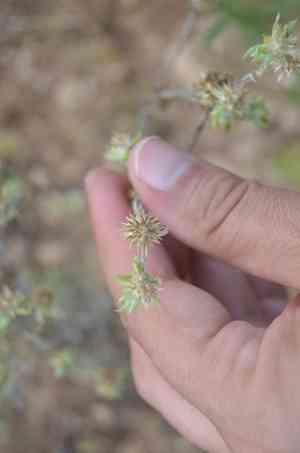
Relocating broadleaf cottonrose flourishes optimally when performed as the mildness of spring transitions into the embrace of early summer, fostering vigorous development. Choose sun-drenched spots featuring soil that drains effectively â crucial for successful rooting. Careful handling encourages strong root systems.
What Preparations are Needed Before Transplanting Broadleaf Cottonrose?
What is the Ideal Time for Transplanting Broadleaf Cottonrose?
The prime period for moving broadleaf cottonrose is during the vibrant late spring extending into early summer. This timing aligns perfectly with broadleaf cottonrose's growth cycle, providing the best conditions for successful establishment. Relocating broadleaf cottonrose at this stage ensures the soil is warm and welcoming, promoting robust root development. Additionally, the mild weather allows broadleaf cottonrose to adapt smoothly, minimizing transplant shock and boosting survival rates. Transplanting within this window not only follows nature's rhythm but also maximizes the potential for abundant, healthy blooms.
How Much Space Should You Leave Between Broadleaf Cottonrose Plants?
When preparing to rehome your broadleaf cottonrose, ensure they have ample room to thrive! Position them approximately 6-8 inches (15-20 cm) apart. This spacing provides each plant sufficient area to grow without competing for essential nutrients or sunlight.
What is the Best Soil Mix for Broadleaf Cottonrose Transplanting?
For your broadleaf cottonrose to flourish, prepare a well-drained soil mixture with a touch of organic compost as a foundational fertilizer. This combination will supply your plants with the necessary nutrients to develop strong and healthy.
Where Should You Relocate Your Broadleaf Cottonrose?
Broadleaf cottonrose thrives in sunlight! Select a sunny location in your garden that receives abundant light throughout the day. This bright spot will help your green companions achieve their full potential.
What Equipments Should You Prepare Before Transplantation Broadleaf Cottonrose?
Gardening Gloves
To safeguard your hands while handling soil and plants.
Spade or Shovel
For excavating the plant and preparing the new planting site.
Watering Can or Hose
To hydrate the plant before and after its relocation.
Garden Fork
To loosen the soil around the roots if extracting from the ground.
Pruning Shears
To trim any compromised roots or foliage.
Wheelbarrow or Plant Dolly
To transport the broadleaf cottonrose if it is large or heavy.
Measuring Tape
To determine the correct spacing between transplanted specimens.
How Do You Remove Broadleaf Cottonrose from the Soil?
How Do You Remove Broadleaf Cottonrose from the Soil?
From Ground: First, water the broadleaf cottonrose to moisten the soil. Next, dig a wide circle around the plant using a spade or garden fork, taking care to preserve as much of the root ball as possible. Gently work the tool beneath the root ball to loosen and lift the plant from the ground.From Pot: Thoroughly water the broadleaf cottonrose to ensure the soil is damp. Slowly tilt the pot sideways and gently tap the bottom and sides to dislodge. Support the plant with one hand and carefully remove it from the pot with its roots and soil intact.From Seedling Tray: Dampen the soil in the tray to facilitate easier removal. Use a spoon or small implement to gently lift the broadleaf cottonrose seedlings from their cells, ensuring the root ball and surrounding soil remain together.
Step-by-Step Guide for Transplanting Broadleaf Cottonrose
Preparation
Water the broadleaf cottonrose thoroughly before beginning the transplant process to ensure it is well-hydrated.
Digging the Hole
At the new site, excavate a hole that is twice as wide and equally deep as the broadleaf cottonrose's root ball to allow for easy placement and root expansion.
Plant Inspection
Examine the broadleaf cottonrose's root ball. Trim any broken or damaged roots using clean pruning shears.
Placement
Carefully position the broadleaf cottonrose in the hole. The base of the stem should be level with the ground surface. Backfill around the roots with soil, gently compacting it to eliminate air pockets.
Watering
Once planted, water the broadleaf cottonrose generously to settle the soil and help alleviate transplant shock.
Mulching
Apply a layer of mulch around the base of the broadleaf cottonrose to retain soil moisture and suppress weed growth.
How Do You Care For Broadleaf Cottonrose After Transplanting?
Watering
Consistently water the broadleaf cottonrose to maintain uniformly moist soil, particularly during the initial weeks to aid root establishment.
Observation
Monitor the broadleaf cottonrose for indications of transplant shock, such as wilting leaves or stunted growth. Take measures to reduce stress factors if observed.
Mulching
Maintain the mulch layer to conserve moisture and keep soil temperatures stable.
Pruning
Remove any dead or damaged foliage to direct the broadleaf cottonrose's energy towards root development and new growth.
Troubleshooting Common Issues with Broadleaf Cottonrose Transplantation.
When's the best time to transplant broadleaf cottonrose?
Relocate broadleaf cottonrose during the ideal period of late spring to early summer for optimal development.
How far apart should I space broadleaf cottonrose when transplanting?
Aim for a comfortable distance, keeping 6-8 inches (15-20 cm) between each broadleaf cottonrose to ensure ample room to thrive.
Why are my broadleaf cottonrose seedlings wilting after transplanting?
Wilting can occur due to transplant shock. Gently water and provide shade for a few days to aid recovery.
How deep should the hole be when planting broadleaf cottonrose?
Dig a hole as deep as the root ball and twice as wide, to allow the roots to spread easily.
What soil type is best for transplanting broadleaf cottonrose?
Utilize well-draining soil rich in organic matter to provide a nourishing environment for broadleaf cottonrose.
Can broadleaf cottonrose be transplanted on a cloudy day?
Absolutely! Overcast conditions reduce stress on broadleaf cottonrose, making it an excellent time for transplanting.
How much should I water broadleaf cottonrose after transplanting?
Keep the soil consistently moist but not waterlogged for the initial weeks post-transplant to encourage establishment.
Is it necessary to fertilize broadleaf cottonrose after transplanting?
Wait 3-4 weeks before applying a balanced fertilizer to prevent damaging the delicate roots.
What signs indicate broadleaf cottonrose isn't taking well to transplanting?
Yellowing leaves, stalled growth, or drooping are indicators that broadleaf cottonrose may not be adapting well.
How can I protect transplanted broadleaf cottonrose from pests?
Monitor for pests and consider a mild insecticide or beneficial insects for protection.



