How to Transplant Variousleaf fescue?
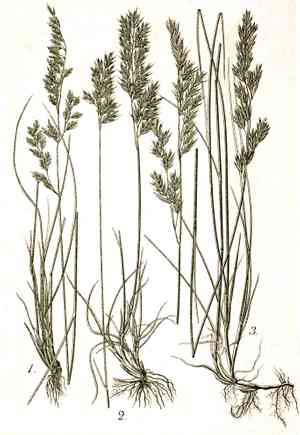
Variousleaf fescue flourishes when relocated from the beginning to the end of spring or throughout late autumn. These intervals provide moderate temperatures and ample hydration. Select a location with full sun or partial shade and soil that drains effectively for peak development.
What Preparations are Needed Before Transplanting Variousleaf Fescue?
What is the Ideal Time for Transplanting Variousleaf Fescue?
The best season for relocating variousleaf fescue is from early to late spring. This timeframe allows the plant to establish its root system prior to summer heat and promotes robust development. Moving it during this period benefits variousleaf fescue by providing optimal soil moisture and temperature, fostering healthier growth.
How Much Space Should You Leave Between Variousleaf Fescue Plants?
When transplanting variousleaf fescue, position them approximately 12-18 inches (30-45 cm) apart. This spacing ensures adequate room for growth and access to essential nutrients and sunlight.
What is the Best Soil Mix for Variousleaf Fescue Transplanting?
Prepare a soil mixture that drains well for variousleaf fescue. Opt for a sandy or loamy soil type and enrich it with a balanced base fertilizer, such as 10-10-10. This supplies vital nutrients for healthy development.
Where Should You Relocate Your Variousleaf Fescue?
Variousleaf fescue thrives best in spots receiving at least six hours of full sun daily, though it can endure partial shade. Select a suitable location to give your plants the best chance to flourish.
What Equipments Should You Prepare Before Transplantation Variousleaf Fescue?
Gardening Gloves
To safeguard your hands while handling soil and plants.
Hand Trowel
To loosen the soil around the plant and assist in gently lifting it.
Shovel or Spade
To dig the planting hole and extract the plant, if required.
Garden Fork
To help ease the plant from the ground by loosening the soil.
Watering Can or Hose
To hydrate the plant before and after its relocation.
Organic Mulch
To aid in retaining soil moisture post-transplanting.
How Do You Remove Variousleaf Fescue from the Soil?
How Do You Remove Variousleaf Fescue from the Soil?
From Ground: First, moisten the soil around the variousleaf fescue plant. Then, dig a wide trench around the plant using a shovel or spade, ensuring the root ball remains intact. Carefully work the spade beneath the root ball to lift the plant from its original spot.From Pot: Thoroughly water the variousleaf fescue plant. Gently turn the pot on its side and tap the bottom to loosen the plant. Support the plant's base with your hand and carefully pull it out of the pot, taking care not to harm the roots.From Seedling Tray: Water the variousleaf fescue seedlings well. Use a hand trowel to gently lift each seedling from the tray, ensuring as much soil as possible remains around the roots. Handle the seedlings by their leaves to avoid damaging the delicate stems.
Step-by-Step Guide for Transplanting Variousleaf Fescue
Prep the Planting Hole
Excavate a hole that is twice the width and the same depth as the root ball of your variousleaf fescue plant. This provides ample space for roots to spread and establish.
Soil Preparation
Ensure the soil in the new site is loose and well-aerated. Incorporate compost to supply nutrients and enhance texture.
Remove the Plant
Follow the previously described removal process to carefully extract the variousleaf fescue plant from its current location.
Place the Plant
Position the variousleaf fescue plant in the planting hole. Ensure the top of the root ball is level with the surrounding soil surface to prevent stem rot.
Backfill and Firm
Fill in around the root ball with the excavated soil, gently pressing it to eliminate air pockets. Confirm the plant stands upright.
Water Thoroughly
Generously water the transplanted variousleaf fescue plant to help settle the soil around the root ball and reduce transplant shock.
Apply Mulch
Spread a 2-3 inch layer of organic mulch around the base of the variousleaf fescue plant, keeping it a few inches from the stem to prevent disease.
How Do You Care For Variousleaf Fescue After Transplanting?
Watering
Maintain consistently moist, but not waterlogged, soil around the variousleaf fescue for the initial weeks post-transplant to encourage strong root development.
Monitoring
Observe for indications of transplant shock, such as wilting or yellowing leaves. If noticed, provide additional care and water.
Weed Control
Keep the area surrounding your variousleaf fescue plant free of weeds, which can compete for nutrients and water.
Mulching
Replenish mulch as needed to keep the soil moist and protect the roots, especially during warm weather.
Support
If necessary, offer support like stakes or plant ties to help the variousleaf fescue plant remain upright, particularly in windy areas.
Troubleshooting Common Issues with Variousleaf Fescue Transplantation.
When is the best time to transplant variousleaf fescue?
The optimal period is from early spring to late spring, late fall, early winter, and mid-winter.
How far apart should I space variousleaf fescue plants?
Space variousleaf fescue plants 12 to 18 inches (30 to 45 cm) apart for healthy growth.
How should I prepare the soil for variousleaf fescue?
Use well-drained soil enriched with compost to ensure a nutrient-rich environment for variousleaf fescue.
What is the ideal temperature range for transplanting variousleaf fescue?
Perform transplanting when temperatures are between 50°F to 65°F (10°C to 18°C).
How much water does variousleaf fescue need after transplanting?
Keep the soil consistently moist but not waterlogged; aim for deep watering once a week.
Should I use fertilizer when transplanting variousleaf fescue?
Yes, use a balanced slow-release fertilizer to promote root establishment and growth.
How do I avoid transplant shock in variousleaf fescue?
Transplant on a cloudy day, water thoroughly before and after, and minimize root disruption.
Can I transplant variousleaf fescue in hot weather?
Avoid transplanting during hot weather to prevent stress and potential damage to variousleaf fescue.
How deep should I plant variousleaf fescue?
Plant at the same depth variousleaf fescue was growing in its previous location to prevent stress.
What are signs of successful variousleaf fescue transplanting?
Healthy new growth and firm, upright leaves indicate a successful transplant.



