How to Transplant Dwarf morning glory?
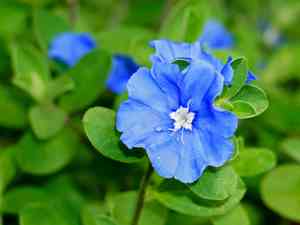
The optimal period for transplanting dwarf morning glory is during the spring, which is essential for its root development, owing to mild temperatures and steady hydration. Select a bright location featuring soil that drains effectively. Careful manipulation is vital for the fragile root structure of this perennial.
What Preparations are Needed Before Relocating Dwarf Morning Glory?
What is the Ideal Time for Relocating Dwarf Morning Glory?
The perfect time for moving dwarf morning glory is during the spring season. This timing encourages strong root development before the summer heat, ensuring vigorous growth. Embrace spring's mild warmth and consistent moisture - nature's formula for dwarf morning glory's prosperity!
How Much Space Should You Leave Between Dwarf Morning Glory Plants?
When planting dwarf morning glory, aim to leave a gap of approximately 1-2 feet (30-60 cm) between each specimen. This will provide your young plants ample room to grow and thrive without competing for space.
What is the Best Soil Mix for Dwarf Morning Glory Relocation?
Seek out soil that drains well, ideally with a loamy consistency. Also, remember to enrich it with a light base fertilizer prior to planting. This will supply dwarf morning glory with vital nutrients to stimulate growth.
Where Should You Move Your Dwarf Morning Glory?
Dwarf morning glory loves the sun, so find a spot in your garden where it can receive 6-8 hours of sunlight daily. This will ensure dwarf morning glory grows healthily and displays its cheerful blooms!
What Equipment Should You Prepare Before Relocating Dwarf Morning Glory?
Gardening Gloves
To shield your hands from soil and potential harm while handling the plant and the ground.
Shovel or Gardening Spade
Essential for digging and scooping earth when extracting and replanting dwarf morning glory.
Hand Trowel
Useful for more precise digging and handling of the plant, especially if it originates from a container or seed tray.
Bucket or Suitable Container
To hold dwarf morning glory while transporting it to its new spot.
Watering Can
To moisten the soil before removing dwarf morning glory and after replanting it.
Garden Fork
To loosen the soil in the new planting area.
Gardening Scissors
To trim any broken or unhealthy roots from the dwarf morning glory before replanting it.
How Do You Extract Dwarf Morning Glory from the Soil?
How Do You Extract Dwarf Morning Glory from the Soil?
From Ground: Before removing dwarf morning glory from the ground, saturate the surrounding soil with water to soften it and minimize root damage. Use the shovel or spade to create a wide circle around dwarf morning glory, trying not to disturb its roots. Gradually dig deeper until you can comfortably lift dwarf morning glory while ensuring most of its roots remain intact.From Pot: Water dwarf morning glory sufficiently and let it sit for a few minutes. Then, gently turn the pot on its side or upside down, and tap it lightly to slide out dwarf morning glory. Be careful not to pull too hard to avoid injuring the plant. If dwarf morning glory is stuck, use the hand trowel to loosen the soil at the edges, being mindful of the roots.From Seedling Tray: Ensure the seedlings of dwarf morning glory are well hydrated before transferring. Gently push the base of the seedling cell or use a small tool to lift it. Hold it by its leaves, never by its stem or roots, to prevent damage.
Step-by-Step Guide for Relocating Dwarf Morning Glory
Preparation
Begin by preparing the new planting site. Use your garden fork to loosen the soil where dwarf morning glory will be placed. This method is particularly important if the soil is compacted.
Hole Digging
Excavate a hole with your shovel or spade. The hole should be approximately twice as wide and equally as deep as dwarf morning glory's root ball.
Plant Settling
Position dwarf morning glory in the center of the hole, ensuring it's not planted deeper than its original position. Backfill the hole with soil, gently pressing around the plant's base to eliminate any air pockets.
Watering
Water dwarf morning glory thoroughly using your watering can. Always ensure that water drains well to prevent overwatering.
Monitoring
Keep a close watch on dwarf morning glory to ensure it's adjusting to its new environment. It's completely normal for the plant to exhibit signs of transplant shock such as wilting leaves, but it should recover within a few days or weeks.
How Do You Care For Dwarf Morning Glory After Relocation?
Watering
It's crucial to maintain an appropriate watering regimen for dwarf morning glory. While the plant is establishing, ensure the soil remains consistently moist. Instead of frequent, shallow watering, try to water deeply, but less often. This encourages the roots to grow deeper into the soil. Be careful not to overwater the plant; the soil should never be waterlogged.
Trimming
Occasionally, you might need to snip away any dead or discolored leaves which could be a result of transplant shock. This will help the plant to focus its energy on root establishment and new foliage growth.
Monitoring
Keep an eye on dwarf morning glory for possible pest infestations or diseases. Early detection and treatment of any issues will help your plant stay healthy and vibrant.
Troubleshooting Common Issues with Dwarf Morning Glory Relocation.
When is the best time to relocate dwarf morning glory?
The optimal periods for relocating dwarf morning glory are seasons 1 to 3, offering the best conditions for healthy growth.
How much space should be left between dwarf morning glory plants?
For dwarf morning glory, the ideal space should be 1-2 feet (30-60 centimeters), ensuring proper growth and spread.
What should I do if the dwarf morning glory shows signs of withering post-relocation?
Withering could indicate stress. Ensure it's getting enough water without waterlogging. Partial shade can also be helpful in recovery.
Why is my relocated dwarf morning glory not flowering?
Dwarf morning glory requires ample sunlight to bloom. Ensure it's placed in a location that receives several hours of sunshine daily.
How often should dwarf morning glory be watered after relocating?
Water dwarf morning glory deeply right after relocating, and then maintain regular watering to keep soil consistently moist but not waterlogged.
How deep should the hole be for relocating dwarf morning glory?
The hole should be twice as wide and the same depth as the root ball of the dwarf morning glory.
What type of soil does dwarf morning glory prefer for relocating?
Dwarf morning glory thrives in well-drained soil that's rich in organic matter. Sandy or loamy soil types typically work best.
My relocated dwarf morning glory is turning yellow. What should I do?
Yellowing could indicate overwatering or nutrient deficiency. Cut back on watering and consider a balanced, slow-release fertilizer.
Should I prune dwarf morning glory after relocating?
Minimal pruning might be necessary after relocating to remove damaged or diseased parts. Make sure to prune sparingly to avoid stress.
Can I relocate dwarf morning glory in a pot?
Yes, dwarf morning glory is suitable for container gardening. Just make sure the pot has sufficient drainage and is large enough for root expansion.



