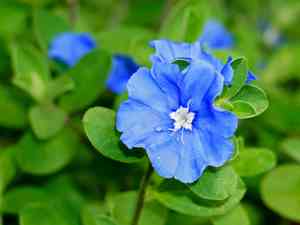
Dwarf morning glory (Evolvulus alsinoides)
Also known as: Slender dwarf morning-glory, Slender dwarf morning glory
The dwarf morning glory (Convolvulus tricolor) is indigenous to the Mediterranean, especially Southern Europe. Its striking, multicolored flowers make it a popular choice for ornamental gardening, bringing vivid hues to various landscapes. While it doesn't hold significant medicinal use today, it has been traditionally appreciated for its mild laxative properties. Culturally, it symbolizes simplicity and charm and is prized for its ease of cultivation and aesthetic value in gardens.
In This Article
Attributes of Dwarf morning glory
Lifespan
Perennial
Plant Type
Herb
Plant Height
25 cm
Spread
commonly spreads 30 to 90 cm
Leaf Color
Green
Flower Size
6 mm to 8 mm
Flower Color
Purple Blue
Images of Dwarf morning glory
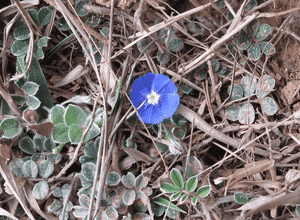
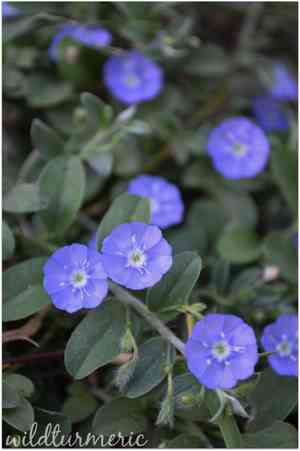
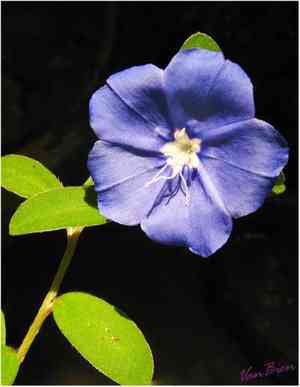
Quickly Identify Dwarf morning glory
1
Prostrate and erect stems create a unique growth habit.
2
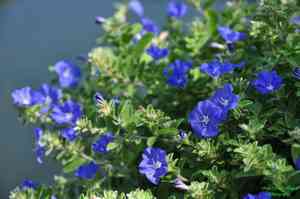
Vibrant blue flowers with symmetrical five-petal blooms.
3
Delicate to woody stems sprawl to varying lengths.
4
Green leaves serve as a subtle backdrop for colorful flowers.
5
Blossoms measure about 0.5 inches (1.3 cm) across.
Scientific Classification of Dwarf morning glory
Phylum
Vascular plants
Class
Dicotyledons
Order
Solanales
Family
Morning-glory
Genus
Dwarf morning glories
Species
Dwarf morning glory
Planting and Growing of Dwarf morning glory
Care Difficulty
Easy
Watering Schedule
Every 4 days
Sunlight Requirements
Full sun
Sunshine Duration
4-6 hours
Ideal Temperature
68-77℉
Soil Type
Potting Mix, Peat Mix
Soil pH
6.5-7.5
Fertilizer Type
Balanced
Pruning Season
Spring, Summer
Pruning Area
Branches, Leaves
Pruning Frequency
2 times a year
Repotting Season
Spring
Pot Type
Plastic, Ceramic
 How to Water Dwarf morning glory?
Evolvulus alsinoides, known for its resilience, requires moderate watering. The goal is to ensure that the soil is evenly moist but not waterlogged. A good rule of thumb is to water until you see excess draining from the bottom of the pot. This means the soil has absorbed enough moisture without flooding the roots.
What are the symptoms of an underwatered Dwarf morning glory?
›
What should I do if my Dwarf morning glory is not getting enough water?
›
What are the symptoms of an overwatered Dwarf morning glory?
›
How to save an overwatered Dwarf morning glory?
›
 What Are the Sunlight Requirements for Dwarf morning glory?
Evolvulus alsinoides prospers with a mix of full sun and partial sun exposure. This lighting condition promotes lush growth and prolific flowering, enhancing its ornamental value and maintaining its robust health.
More About Sunlight Requirements Techniques→
Ideal light intensity
›
Ensuring ideal duration
›
Benefits of ideal lighting
›
 What Is the Ideal Temperature Range for Dwarf morning glory?
Evolvulus alsinoides thrives best within a temperature range of 68°F to 77°F. This range is optimal as it closely resembles the plant’s natural tropical environment, providing the right conditions for healthy growth and flowering. Consistent temperatures within this range help in maintaining metabolic activities, leading to a robust plant structure and vibrant foliage.
 What Soil is Best for Dwarf morning glory?
Evolvulus alsinoides thrives in well-drained soils, which prevent waterlogging and root rot. Well-drained soil ensures adequate oxygen reaches the roots, promoting healthy growth and preventing fungal infections. This plant benefits from nutrient-rich soil, which provides essential minerals and nutrients for optimal growth. Nutrient-rich environments ensure robust foliage and vibrant blooms, enhancing the plant's ornamental appeal. Evolvulus alsinoides prefers slightly acidic to neutral pH levels, from 6.5 to 7.5. This pH range facilitates the proper uptake of nutrients, ensuring that the plant has all it needs to grow healthy and strong.
 How to Fertilize Dwarf morning glory?
When fertilizing Evolvulus alsinoides, a moderate amount of fertilizer should be used. For liquid fertilizers, a dilution rate of one capful per gallon of water is ideal. For slow-release fertilizers, apply approximately two tablespoons around the base of the plant, ensuring not to touch the stem.
 How to Prune Dwarf morning glory?
Begin by identifying and removing any dead, damaged, or diseased leaves and stems. Use clean, sharp pruning scissors to avoid damaging the plant. Trim back the overgrown stems and any parts that appear leggy to maintain a compact and tidy appearance. For shaping, prune back to a node where you want new growth to occur. This will encourage the plant to grow in the desired direction and enhance its natural shape. Regular shaping throughout the growing seasons helps maintain its aesthetic appeal.
More About Pruning Techniques→
 How to Propagate Dwarf morning glory plant?
1
Start by collecting or purchasing high-quality seeds of Evolvulus alsinoides. Soak the seeds in room temperature water for several hours to help soften the outer coat, promoting better germination rates.
2
Once the seeds are prepared, plant them in seed trays filled with a well-draining potting mix. Lightly cover the seeds with soil and water gently to keep them moist but not soggy, providing an optimal environment for germination.
3
For cutting propagation, use sharp pruning shears to take 4-6 inch cuttings from healthy, non-flowering shoots. Remove the lower leaves, leaving a few at the top, and dip the cut end in rooting hormone to enhance root development.
 How to Repot Dwarf morning glory plant?
1
Look for roots coming out of the drainage holes or a general decline in plant health as signs that it's time to repot Evolvulus alsinoides. Additionally, if the plant seems to have stopped growing despite optimal care, it may be due for a change.
2
Choose a pot that is one size larger than the current one. It should have good drainage holes to avoid waterlogging. A pot with proper drainage will prevent root rot and provide the plant ample space to spread its roots for better growth.
3
Opt for well-draining soil, such as sandy loam, to ensure it does not hold excess moisture. This type of soil will aid in keeping the roots healthy and prevent water-related diseases, fostering a conducive environment for growth.



