How to Transplant African milk tree?
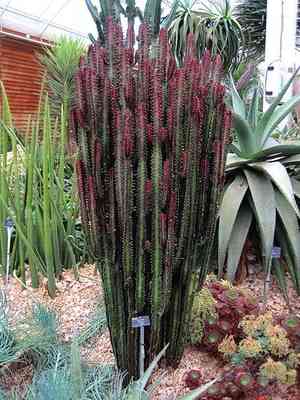
African milk tree flourishes most effectively when relocated between mid-spring and early summer, as its root development is boosted by warmer conditions. Select a site featuring soil that drains efficiently and receives ample sunlight, ensuring you carefully handle african milk tree's root structure to lessen the impact of transplantation.
What Preparations are Needed Before Transplanting African Milk Tree?
What is the Ideal Time for Transplanting African Milk Tree?
The optimal period to relocate african milk tree is from mid-spring to early summer. This chosen timeframe offers ideal climatic conditions for the plant, providing ample light and moderate temperatures, which promotes vigorous growth. Moving african milk tree during this season will result in a healthier specimen, contributing to a vibrant garden. It's an excellent chance to encourage this plant's development in your landscape.
How Much Space Should You Leave Between African Milk Tree Plants?
To allow your african milk tree plant sufficient room to develop, position each plant approximately 24-36 inches (60-90 cm) apart when transplanting. This will ensure they have ample space for root expansion!
What is the Best Soil Mix for African Milk Tree Transplanting?
Your african milk tree will flourish in well-draining soil with some grit or sand for enhanced drainage. Prepare the soil with a general-purpose base fertilizer to give your plants a robust start!
Where Should You Relocate Your African Milk Tree?
Ensure you transplant your african milk tree to a spot with abundant bright, indirect sunlight. They also perform well in light shade, but avoid placing them in harsh direct sun, as they might suffer from scorching.
What Equipments Should You Prepare Before Transplantation African Milk Tree?
Gardening Gloves
Essential for protecting your hands from the african milk tree plant's sap, which can cause irritation or burns.
Spade or Shovel
Needed to excavate the hole for transplanting and to lift the plant from its current location.
Potting Soil
A well-draining soil required to fill the area around the transplanted african milk tree.
Watering Can
To gently hydrate the african milk tree during and after the transplanting process.
Hand Pruner
To trim off any damaged or diseased branches that might impact the african milk tree's health post-transplant.
How Do You Remove African Milk Tree from the Soil?
How Do You Remove African Milk Tree from the Soil?
From Ground: First, ensure you're wearing protective gardening gloves as the african milk tree plant's sap can be mildly toxic. Moisten the ground around the african milk tree to soften the soil. Using your spade, begin digging around the plant's base, allowing enough space to encompass the entire root system. Gradually work your way beneath the root ball and carefully lift the plant out.From Pot: First, water your african milk tree thoroughly. Invert the pot sideways and gently tap its edges on a firm surface to loosen the soil. Be careful to maintain a hold on the base of your african milk tree while doing this. Slowly pull the pot away from the plant, ensuring you support the plant's base and avoid damaging the roots during the process.From Seedling Tray: You can use a thin stick or a spatula to gently pry beneath the seedling. Exercise extreme caution as you want to avoid harming the delicate roots. Lift the african milk tree seedling carefully from its support, grasping it by the leaves and not the stem.
Step-by-Step Guide for Transplanting African Milk Tree
Preparation
Ensure you have a suitable transplanting hole prepared before extracting the african milk tree from its original spot. The hole should be wide and deep enough to comfortably accommodate the plant's root ball.
Placement
Position the african milk tree in the hole so the top of the root ball is level with the ground surface. The plant should sit neither too high nor too low in the hole.
Filling
Once you are satisfied with the placement, backfill the hole with the potting soil, ensuring no air pockets remain.
Watering
Gently water the newly transplanted african milk tree, thoroughly saturating the soil. Be careful not to overwater as it may lead to root rot.
How Do You Care For African Milk Tree After Transplanting?
Pruning
Any damaged or diseased portions of the plant should be trimmed off to encourage healthy growth.
Watering
After the initial thorough watering, irrigate the african milk tree sparingly, ensuring the soil drains well.
Monitoring
Observe your african milk tree closely for the first few weeks, especially for signs of transplant shock, such as wilting leaves or discoloration. Should you notice any of these, move the plant to a less stressful environment (lower light, more humidity) until it begins to recover.
Troubleshooting Common Issues with African Milk Tree Transplantation.
What is the ideal timing for transplanting african milk tree?
Mid-spring to early summer is the perfect time for relocating african milk tree. This season optimizes root establishment.
What's the neccessary distance between two african milk tree plants while transplanting?
To prevent root competition, ensure approximately 24-35 inches (60-90 cm) of spacing between each african milk tree plant.
How to prepare the soil for african milk tree transplanting?
Ensure the soil is well-draining and enriched with compost. Add sand if the soil is too clayey to enhance drainage.
How can I reduce shock to the african milk tree during transplanting?
Water the african milk tree a day before the move. Allow the plant to acclimate in its new location before deep watering again.
Could you suggest a potting mix for african milk tree while transplanting?
Use a cactus-based potting soil as african milk tree prefers slightly acidic to neutral pH. It also provides excellent drainage.
What's the depth for the planting hole when transplanting african milk tree?
The hole should be twice the width and the same depth as the root ball of the african milk tree.
How do I handle african milk tree safely during transplantation, as it's a succulent?
Wear gloves to protect your hands from the milky sap which may cause skin irritation. Handle it gently to avoid sap leakage.
Should I trim african milk tree before or after transplanting?
Pruning just before transplanting helps to reduce plant size, making the african milk tree much easier to manage.
How often should I water african milk tree after transplanting?
Water african milk tree generously after planting. Then, allow the soil to dry out between waterings, as over-watering may cause root rot.
What kind of light is best for african milk tree after transplanting?
African milk tree thrives in bright, indirect light. Too much direct sun may cause leaf burns, but too little light will result in leggy growth.



