How to Transplant Amazon Lily?
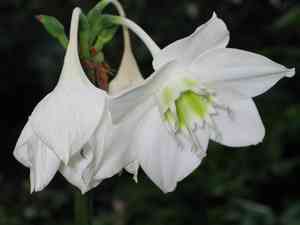
For amazon Lily, the peak of springtime, once temperatures rise, is ideal for relocation. Select a shaded area with soil that drains effectively. Carefully placing the plant in its new environment will foster vigorous development. Bear in mind, amazon Lily flourishes with attentive nurturing.
Essential Preparations Before Relocating Amazon Lily
Optimal Timing for Amazon Lily Relocation?
The best period to move amazon Lily is during the peak of its growth cycle, typically late spring or early summer. This timing allows amazon Lily to establish itself effectively, utilizing the warm soil and extended daylight for root development. Transplanting within this window also leverages the plant's post-dormancy energy surge, giving amazon Lily the best chance to flourish in its new spot. Fostering a supportive environment during this crucial season promotes strong root growth and ensures vigorous development.
Recommended Spacing Between Amazon Lily Plants?
When preparing to transplant your amazon Lily, ensure adequate room between individual plants. A general guideline is to position each plant approximately 1-2 feet (30.5-61 cm) apart. This provides ample space for root expansion and nutrient absorption.
Ideal Soil Blend for Amazon Lily Transplanting?
Your amazon Lily will thrive in soil that drains effectively, so confirm proper water runoff before planting. Incorporate an all-purpose, slow-release granular fertilizer into the soil prior to planting. This will nourish your amazon Lily and help it achieve its best appearance!
Optimal Location for Your Amazon Lily Relocation?
It's crucial to remember that your amazon Lily prefers a spot with filtered light. Select a garden area that offers shade from direct sun exposure during the hottest parts of the day. This approach will ensure your amazon Lily grows happily and healthily.
Equipment Needed Before Transplanting Amazon Lily
Shovel or Spade
These tools are primarily used for excavating holes in the ground for transplanting the amazon Lily plant. They also serve to loosen the soil around the plant in its original location before removal.
Gardening Gloves
These offer hand protection while handling the plant and soil. Additionally, they can aid in securing a firm grip on the plant during removal and transplanting.
Hand Trowel
This smaller implement is suitable for extracting plants from pots or trays. It enables precise digging to prevent damage to the root ball.
Wheelbarrow or Container
Useful for moving the amazon Lily plant from its initial position to the new site.
Garden Hose or Watering Can
Used for hydrating the plant once it has been transplanted, and for moistening the soil in the original location before extraction.
How to Extract Amazon Lily from the Soil?
How to Extract Amazon Lily from the Soil?
From Ground: Start by using your shovel or spade to dig around the amazon Lily plant, maintaining a safe distance from the main stem to keep the root ball intact. After encircling it, gently insert the shovel beneath the plant and lift it from the ground, ensuring the root ball remains complete.From Pot: For a potted amazon Lily plant, carefully invert the pot while supporting the plant at the base of its stem. With gentle shaking, the plant should gradually slide out with its root ball and soil. If the plant resists, run a hand trowel along the inner edge of the pot to loosen it.From Seedling Tray: Use a hand trowel or even your gloved hand to firmly and slowly lift the amazon Lily seedling from its tray. Handle it by the leaves or root ball, not the stem, to prevent damage.
Step-by-Step Guide for Transplanting Amazon Lily
Preparation
Before removing the amazon Lily from its initial spot, prepare the new location by digging a hole approximately twice as wide and equally deep as the root ball. If necessary, add compost to the hole to enhance drainage and nutrient content.
Transfer
Carefully position the amazon Lily plant into the hole. The plant should be set at the same depth it was in its original location. Backfill the hole with soil, firming it around the plant to eliminate any air pockets.
Watering
Immediately after transplanting, thoroughly water the amazon Lily plant to settle the soil around the roots and help the plant establish itself in its new environment.
Post-Transplant Care for Amazon Lily
Mulching
Apply a layer of mulch around the base of the amazon Lily plant to retain moisture and stabilize soil temperature, but avoid direct contact with the plant's stem to prevent rot.
Pruning
After transplant, the amazon Lily plant may experience transplant shock. If yellow or wilting leaves appear, removing them can redirect energy to healthier parts of the plant and encourage growth.
Monitoring
Observe the amazon Lily plant closely for several weeks following the transplant. Look for indications of successful rooting, such as new growth. If you notice any signs of stress, like wilting or discoloration, additional care might be necessary.
Troubleshooting Common Amazon Lily Transplant Issues
When is the best time to transplant amazon Lily?
The optimal period to move amazon Lily is from late spring to early summer (S2-S3), when the plant is most vigorous.
What's the ideal spacing for amazon Lily during transplantation?
When transplanting amazon Lily, maintain a distance of about 1-2 feet (30-60cm). This ensures each plant has sufficient room to develop.
How deeply should I plant amazon Lily?
Avoid planting amazon Lily too deep. Position it so the top of the bulb is approximately 2 inches (5 cm) below the surface.
How often should I water amazon Lily after relocating?
Water generously immediately after transplant. Subsequently, keep the soil moist but not waterlogged. Excessive watering can lead to bulb rot.
What kind of soil is perfect for amazon Lily?
Amazon Lily thrives in well-drained, rich soil. Incorporating some compost or organic matter helps improve soil fertility.
Does amazon Lily need to be fertilized after transplanting?
Yes, a balanced, slow-release fertilizer applied early in the growing season aids in successful establishment.
What to do if the leaves of amazon Lily start to yellow after transplantation?
Yellowing leaves may indicate overwatering. Reduce irrigation and ensure proper drainage. If the issue persists, check for bulb rot.
What's the best location to transplant amazon Lily for its healthy growth?
Amazon Lily performs well in a location with partial to full shade. Bright, indirect light is ideal for robust growth.
How can I manage pests or diseases on amazon Lily after transplanting?
Regularly inspect your amazon Lily for signs of pests or diseases. First, use non-chemical methods, such as removing affected parts or applying insecticidal soap.
Can amazon Lily handle frost? How to protect it during winter?
Amazon Lily cannot tolerate frost. If severe cold is anticipated, consider bringing the plant indoors or providing protection with a frost cloth.



