How to Transplant Engelmann's aster?
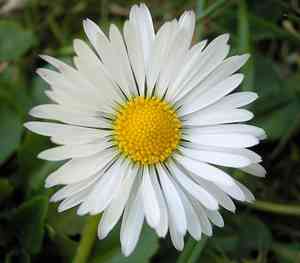
The ideal time for transplanting engelmann's aster is at the onset of vigorous development, usually spanning from the end of spring through the beginning of summer. Select a location offering filtered sunlight and soil that drains effectively. Gradually introduce engelmann's aster to its new surroundings to achieve the best outcome.
What Preparations are Needed Before Transplanting Engelmann's Aster?
What is the Ideal Time for Transplanting Engelmann's Aster?
Moving engelmann's aster from late spring to early summer is optimal. This period leverages mild weather, allowing roots to establish before intense heat. Transplanting then also lets engelmann's aster benefit from longer days and increasing warmth, promoting robust growth. Performing the move before summer's peak also lessens plant stress, which greatly impacts survival and future blooms. Remember: successful engelmann's aster cultivation begins with careful timing, so embrace this gentle transition season for a thriving garden addition.
How Much Space Should You Leave Between Engelmann's Aster Plants?
Hello there! When preparing a new home for engelmann's aster, ensure they have ample room. Position them approximately 18-24 inches (46-61 cm) apart. This spacing allows each plant to develop fully and luxuriantly.
What is the Best Soil Mix for Engelmann's Aster Transplanting?
Prepare for a successful start by readying the soil for engelmann's aster. They prefer well-draining earth enriched with some compost or a balanced, slow-release fertilizer. Aim for a pH that is neutral to slightly acidicâyour engelmann's aster will appreciate it!
Where Should You Relocate Your Engelmann's Aster?
When selecting a sunny spot for your engelmann's aster, partial to full sun exposure is key. Find a location where they can absorb sunlight for most of the day, ensuring vigorous and healthy development!
What Equipments Should You Prepare Before Transplantation Engelmann's Aster?
Gardening Gloves
To shield your hands while handling soil and plants.
Shovel or Spade
For digging and lifting the plant's root mass.
Watering Can or Hose
To hydrate the plant before and after removal, and at its new site.
Pruning Shears
For trimming any damaged roots or foliage prior to transplanting.
Wheelbarrow or Garden Cart
To move the plant and soil without harming the root ball.
Measuring Tape
To ensure correct spacing between plants in their new location.
Plant Supports/Stakes
To stabilize engelmann's aster if needed, especially for taller varieties.
Mulch
To help retain soil moisture and regulate temperature fluctuations around the root zone after transplant.
How Do You Remove Engelmann's Aster from the Soil?
How Do You Remove Engelmann's Aster from the Soil?
From Ground: First, water the engelmann's aster to moisten the soil, making excavation easier. Using a shovel or spade, dig a wide trench around the plant, being careful not to harm the root ball. Gently work the tool beneath to loosen and lift the plant from the soil.From Pot: Begin by watering the engelmann's aster, allowing moisture to loosen the root ball from the pot's sides. Tilt the plant sideways and gently tap or shake the pot to encourage the plant to slide out. Support the plant by its base during removal to prevent damage.From Seedling Tray: Water the seedlings gently to prepare for transfer. Use a spoon or a small gardening tool to carefully lift each individual engelmann's aster from its compartment, ensuring minimal root disturbance.
Step-by-Step Guide for Transplanting Engelmann's Aster
Preparation
Gather all necessary tools and thoroughly water engelmann's aster a few hours before transplanting to minimize shock.
Plant Removal
Carefully extract engelmann's aster from its current spot using the appropriate method described in the removal process.
Root Ball Inspection
Examine the root ball for any signs of pests or diseases, and use pruning shears to trim away damaged or excessively long roots.
Transplant Hole
Dig a hole in the new location that is twice as wide as the plant's root ball but only as deep, so engelmann's aster will sit at its original growing level.
Positioning
Gently place engelmann's aster in the center of the hole and spread out its roots.
Backfilling
Partially fill the hole with soil and water thoroughly to settle the soil around the roots. Then finish backfilling and lightly firm the soil to remove air pockets.
Stabilizing
If engelmann's aster requires support, insert stakes next to the plant and loosely tie it to prevent wind damage or leaning.
Mulching
Apply a layer of mulch around the base of engelmann's aster, keeping a small distance from the stem, to maintain soil moisture.
How Do You Care For Engelmann's Aster After Transplanting?
Watering
Water engelmann's aster deeply after transplanting and maintain a consistent watering schedule. Water should be applied at the base, not over the foliage, to prevent disease.
Mulching
Maintain the mulch layer to conserve moisture and regulate soil temperatures. Replenish as needed.
Staking
Monitor and adjust plant supports as engelmann's aster grows to ensure they are effective and not causing harm.
Pruning
Occasionally trim any dead or damaged foliage to encourage healthy growth and maintain plant shape.
Monitoring
Regularly check the plant for signs of stress, such as wilting or discoloration, which might indicate issues with watering, pests, or diseases.
Troubleshooting Common Issues with Engelmann's Aster Transplantation.
What's the best time to transplant engelmann's aster?
The optimal transplantation period for engelmann's aster is during the ideal window of post-frost, pre-peak summer.
How far apart should I space engelmann's aster when transplanting?
To ensure each engelmann's aster has ample room to flourish, maintain a distance of 18-24 inches (45-60 cm) between them.
How deep should the hole be for transplanting engelmann's aster?
The hole should be just deep enough to accommodate the root ball, roughly the same size as its container.
What kind of sunlight does engelmann's aster need after transplanting?
Post-transplant, engelmann's aster thrives in full sunlight to light shade to truly flourish.
How should I water engelmann's aster after transplanting?
Water engelmann's aster generously post-transplant to settle the soil, then maintain consistent moisture without waterlogging.
Can I transplant engelmann's aster during hot weather?
Avoid transplanting engelmann's aster in the heat. Cooler late spring to early summer days are more favorable.
What soil type is best for transplanting engelmann's aster?
Well-draining soil enriched with organic matter is what engelmann's aster thrives in best.
Should I fertilize engelmann's aster right after transplanting?
Delay fertilizing. Allow engelmann's aster to settle for 4-6 weeks, then you can provide a balanced feed.
How do I safeguard engelmann's aster from transplant shock?
Prevent shock by transplanting on an overcast day, keeping roots moist, and minimizing time out of the soil.
What should I do if engelmann's aster wilts after transplanting?
Stay calm and water! Wilting engelmann's aster may require more hydration. If persistent, check for root damage or pests.



