How to Transplant Centipede tongavine?
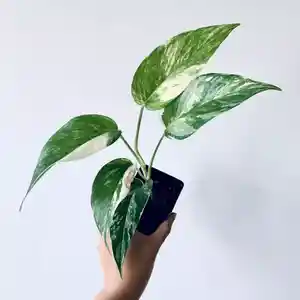
The ideal period for relocating centipede tongavine is during the early to mid-spring, as the natural world revives, which guarantees vigorous development. Select a location that offers partial shade and drains effectively. Gentle management of the root system is crucial for maintaining health throughout this sensitive change.
Essential Preparations Before Relocating Centipede Tongavine
Optimal Timing for Centipede Tongavine Relocation?
The prime period for moving centipede tongavine is in mid-spring. This season offers an ideal mix of moderate temperatures and moisture, encouraging quick root establishment without the stress of extreme heat or cold. Relocating centipede tongavine during this window allows the plant ample time to adjust and flourish in its new spot before summer's warmth arrives. It's an excellent chance to revitalize your garden, as centipede tongavine will have the best opportunity to develop a strong root system under these conditions, leading to a healthier, more robust plant.
Recommended Spacing Between Centipede Tongavine Plants?
When relocating centipede tongavine, aim to position each plant approximately 2-3 feet (0.6-0.9 meters) apart. This provides sufficient room for each plant to grow without competing for space.
Best Soil Blend for Centipede Tongavine Relocation?
For centipede tongavine, the soil should drain well, be rich in organic matter, and have a slightly acidic to neutral pH. Prepare the ground with a base layer of compost or slow-release granular fertilizer to give centipede tongavine a nutrient boost.
Where to Position Your Centipede Tongavine?
Select a spot for centipede tongavine where it will receive indirect sunlight, as direct, intense sun could potentially harm the plant. If indoors, a bright area with filtered light will be most suitable.
Tools Required Before Relocating Centipede Tongavine?
Gardening Gloves
To safeguard your hands while handling soil and plants.
Hand Trowel
This small tool is excellent for loosening soil and carefully extracting smaller plants without harming their root systems, also ideal for removing centipede tongavine from a container.
Spade or Shovel
If centipede tongavine is in the ground, these implements will help you excavate a sufficient area around the roots to prevent damage during extraction.
Watering Can
To hydrate the plant before and after relocation to minimize transplant shock.
Wheelbarrow, Bucket, or Plastic Bag
These are for moving centipede tongavine from its original spot to the new planting location.
Pruning Shears
Used to trim any damaged or excessively long roots during the relocation process.
Stake and Ties
If centipede tongavine is tall and slender, it will likely need support after relocation to prevent it from falling over.
How to Extract Centipede Tongavine from the Soil?
How to Extract Centipede Tongavine from the Soil?
From Ground: If the centipede tongavine plant is currently growing in the ground, begin by moistening the soil around the plant. This will make the soil easier to remove and reduce the chance of root damage. Using a shovel or spade, dig a circle around the plant, ensuring a safe distance from the base to avoid cutting into the root system. Dig downwards and then underneath the plant, keeping the root ball intact. Then carefully, lift the plant out of the ground.From Pot: If centipede tongavine is in a pot, water the soil thoroughly and then turn the pot on its side. Gently hold the plant at its base and tap or squeeze the pot to loosen the plant. Carefully slide the plant out, making sure not to injure the roots.From Seedling Tray: Start by watering the tray to loosen the soil. Then, using a trowel, gently scoop out each centipede tongavine plant along with the surrounding soil to avoid disturbing the roots.
Step-by-Step Guide for Relocating Centipede Tongavine
Preparing the New Location
Dig a hole in the chosen spot that is twice as wide and as deep as the centipede tongavine's root ball. This will provide ample space for its roots to spread.
Examine the Roots
Trim any damaged or overly long roots with pruning shears before planting.
Plant Positioning
Place centipede tongavine into the center of the hole, ensuring that the top of the root ball is level with the ground surface. Adjust the soil beneath the plant if necessary to achieve the correct planting depth.
Backfilling the Hole
Carefully backfill the hole, gently firming the soil around the base of centipede tongavine as you go to eliminate any air pockets.
Watering
Water the plant thoroughly after relocation to settle the soil and minimize transplant shock.
Staking
If needed, provide support to the plant with stakes and ties at this stage.
Post-Relocation Care for Centipede Tongavine
Watering Schedule
For the initial two weeks after relocation, keep the soil around centipede tongavine consistently moist to aid in strong root establishment. Reduce watering after two weeks but do not allow the plant to completely dry out.
Pruning
Remove any dead or yellowing leaves from centipede tongavine to encourage new growth and maintain plant health.
Weather Protection
Temporary shade can help shield the newly relocated centipede tongavine from intense sun, while a temporary windbreak can prevent wind damage. Gradually introduce the plant to its new environment.
Stake Maintenance
Regularly check the stakes and ties, and adjust as needed until centipede tongavine can maintain upright growth independently.
Addressing Common Issues During Centipede Tongavine Relocation.
What's the best season to relocate centipede tongavine?
The most suitable time for relocating centipede tongavine is during the late spring to early summer period (S2-S3).
How should I space centipede tongavine during relocation?
You should position centipede tongavine approximately 2-3 feet (0.6-0.9 meters) apart from each other during relocation. This allows sufficient room for growth.
What soil type is ideal for relocating centipede tongavine?
Well-drained soil with a slightly acidic or neutral pH is best for relocating centipede tongavine. It promotes healthy root development and nutrient uptake.
How deep should I plant centipede tongavine during relocation?
When relocating, dig a hole that is deep and wide enough to accommodate the root ball of centipede tongavine. The top of the root ball should be level with the soil surface.
What care should I provide after relocating centipede tongavine?
Water centipede tongavine thoroughly after relocation and keep the soil consistently moist. Provide indirect light and protect it from drafts or extreme temperature fluctuations.
How often should I water centipede tongavine post-relocation?
Water centipede tongavine when the top 1 inch (2.5 cm) of soil feels dry to the touch, ensuring you avoid overwatering. Always maintain moist soil for optimal growth.
Should I prune centipede tongavine before relocating?
Pruning centipede tongavine is not essential before relocating. However, removing any dead or unhealthy-looking leaves would contribute to the plant's overall health.
What are typical signs of relocation shock in centipede tongavine?
Common indicators of relocation shock in centipede tongavine can include wilting, yellowing foliage, stunted development, or a general decrease in plant vitality. Provide consistent care and conditions to aid recovery.
How do I ensure the correct relocation depth for centipede tongavine?
The correct depth for relocating centipede tongavine is to align the surface of the root ball with the ground level. This ensures the roots are not suffocated and can spread freely.
Can I relocate centipede tongavine into a pot?
Yes, you certainly can. Choose a pot that is larger than the root ball of centipede tongavine. Ensure the pot has good drainage to prevent waterlogging.



