How to Transplant Long-seed willowherb?
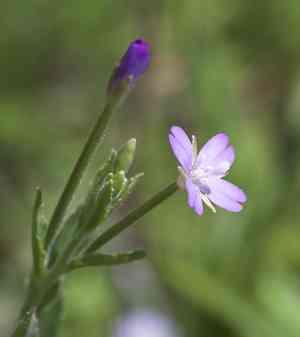
For long-seed willowherb, moving it from the period of late frost to the onset of warmth (mid-to-late spring) prepares it for optimal growthâa period when the ground becomes active again. Select bright spots with moist, rich soil. Carefully placing the roots facilitates its re-establishment.
What Preparations are Needed Before Transplanting Long-seed Willowherb?
What is the Ideal Time for Transplanting Long-seed Willowherb?
The optimal period for relocating long-seed willowherb is during the core of spring, specifically from mid to late spring. This timeframe allows the plant to establish itself most effectively. By moving long-seed willowherb during this prime spring phase, you provide it with the advantage of cooler, moist soil, fostering robust root development without the strain of intense summer heat. These perfect conditions ensure a smoother transition and better establishment in the garden. Seize this opportunity to invigorate your garden with the vitality of long-seed willowherb.
How Much Space Should You Leave Between Long-seed Willowherb Plants?
When preparing to rehome your long-seed willowherb, aim for a spacing of approximately 15-18 inches (38-45 cm) between each plant. This provides sufficient room for individual growth and flourishing without competition for nutrients or sunlight.
What is the Best Soil Mix for Long-seed Willowherb Transplanting?
Long-seed willowherb thrives in well-drained soil rich in organic matter. Prior to transplanting, incorporate a quality base fertilizer such as compost or a balanced N-P-K (Nitrogen-Phosphorus-Potassium) blend to give your long-seed willowherb a robust start.
Where Should You Relocate Your Long-seed Willowherb?
Your long-seed willowherb enjoys ample sunlight! Select a location that receives direct sunlight for at least 6 hours daily. If you reside in a particularly warm climate, a bit of afternoon shade will help keep your long-seed willowherb content and thriving.
What Equipments Should You Prepare Before Transplantation Long-seed Willowherb?
Gardening Gloves
To safeguard your hands while handling soil and plants.
Shovel or Spade
For excavating the plant and preparing the new planting site.
Garden Trowel
For precise movements or working with smaller specimens.
Watering Can or Hose
To hydrate the plant before and after its relocation.
Secateurs or Pruning Shears
For trimming any damaged roots or foliage.
Wheelbarrow
To transport the long-seed willowherb from its initial spot to the new area.
Plant Support Stakes
To stabilize the long-seed willowherb after transplanting if needed.
How Do You Remove Long-seed Willowherb from the Soil?
How Do You Remove Long-seed Willowherb from the Soil?
From Ground: First, moisten the long-seed willowherb plant to dampen the surrounding soil. Next, dig a wide trench around the plant using a shovel or spade, ensuring the plant's root ball remains intact. Carefully work the spade beneath the root ball to lift the plant from its original position.From Pot: Water the long-seed willowherb thoroughly to facilitate easier root removal. Turn the pot on its side, support the plant with one hand, and gently tap or press the bottom of the pot until the plant dislodges. Be careful to handle the plant by its root ball, not its stems or leaves.From Seedling Tray: Use a garden trowel or a small hand tool to loosen the soil around individual long-seed willowherb seedlings. Gently pull up the seedlings by their leaves, taking care to preserve as much of the root system as possible.
Step-by-Step Guide for Transplanting Long-seed Willowherb
Preparation
Gather all necessary tools and review the steps beforehand to ensure a smooth transplanting process for the long-seed willowherb. Being organized will make the task less daunting and more enjoyable for a novice gardener.
Removal
Utilize the appropriate method from the 'removal_process' section to carefully extract your long-seed willowherb from its initial location, ensuring the root ball is preserved and root disturbance is minimized during this procedure.
Planting Hole
Dig a hole at the new site that is twice the width of the root ball and of the same depth, so the long-seed willowherb will sit at the identical soil level it was previously. Place the plant in the hole and adjust its position if necessary.
Placement
Gently position the long-seed willowherb into the planting hole, carefully spread out its roots, and ensure the plant is upright and centered.
Backfilling
Refill the hole with the excavated soil, gently tamping down around the root ball to eliminate air pockets. Ensure the soil is level with the ground and the base of the long-seed willowherb is not buried too deeply.
Watering
Provide the long-seed willowherb with a thorough watering immediately after planting to settle the soil around the roots and aid in recovery from transplant shock. Use a watering can or a hose with a gentle spray setting.
Stabilizing
If the long-seed willowherb is tall or unstable, insert plant support stakes into the ground and gently tie the plant to the stakes with soft plant ties to prevent wind damage or leaning.
Mulching
Apply a layer of mulch around the base of the long-seed willowherb to retain moisture, regulate soil temperature, and suppress weed growth, being careful not to let the mulch touch the stem.
How Do You Care For Long-seed Willowherb After Transplanting?
Observation
Regularly check the long-seed willowherb for signs of recovery, looking for new growth or distress. Adjust care practices as needed based on the plant's response.
Stabilizing
Monitor the long-seed willowherb's stability and adjust supports if necessary to ensure it remains upright and secure.
Watering
Ensure the soil around the long-seed willowherb stays moist, especially during the initial weeks post-transplant, to encourage root establishment. However, avoid excessive watering to prevent root rot.
Pruning
Trim any damaged or dead foliage to promote new growth and maintain the long-seed willowherb's health. Use secateurs or pruning shears for this task.
Troubleshooting Common Issues with Long-seed Willowherb Transplantation.
When is the best time to transplant long-seed willowherb?
The ideal period for relocating long-seed willowherb is from mid to late spring when temperatures are moderate.
How far apart should I space long-seed willowherb when transplanting?
Aim for a spacing of 15-18 inches (38-45 cm) to provide long-seed willowherb with ample room to thrive.
What's the ideal soil for transplanting long-seed willowherb?
Long-seed willowherb flourishes in well-draining soil rich in organic matter. Enhance your soil with compost before planting.
How deep should the hole be for transplanting long-seed willowherb?
The hole should be just deep enough to accommodate the root ball and allow for proper soil coverage.
Can I transplant long-seed willowherb during hot weather?
It's best to avoid hot weather. If unavoidable, ensure generous watering to prevent transplant shock.
What should I do if my long-seed willowherb shows signs of wilting post-transplant?
Ensure it receives adequate water and is shielded from intense sunlight, which often aids in recovery from transplant stress.
How do I water long-seed willowherb after transplanting?
Keep the soil consistently moist but not waterlogged during the initial weeks to encourage healthy root development.
Is it necessary to fertilize long-seed willowherb after transplanting?
Wait a few weeks before applying a balanced, slow-release fertilizer, allowing roots time to establish.
How do I handle root bound long-seed willowherb during transplanting?
Gently separate the roots before planting to encourage outward growth.
What kind of sunlight does long-seed willowherb need after transplanting?
Long-seed willowherb prefers full sun to partial shade, so select a location that receives ample light without being overly intense.



