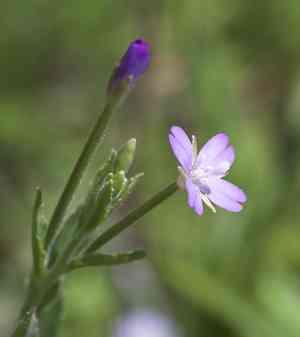
Long-seed willowherb (Epilobium pyrricholophum)
Also known as: N/A
The leaves are typically opposite, except for those towards the top, and they can be either short-petioled or sessile, often attaching directly to the stem. The leaf blades range from 2 to 6 cm in length and 7 to 30 mm in width, and they vary from oval to lanceolate in shape. The tips of the leaves can be either rounded or pointed, and the bases range from broad wedge-shaped to slightly heart-shaped, with coarse serrated edges. Both stems and leaves may exhibit a purple hue.
In This Article
Attributes of Long-seed willowherb
Lifespan
Perennial
Plant Type
Herb
Plant Height
25 cm to 80 cm
Spread
N/A
Leaf Color
Green
Flower Size
1-1.5 cm
Flower Color
White Purple Pink
Images of Long-seed willowherb
Quickly Identify Long-seed willowherb
1
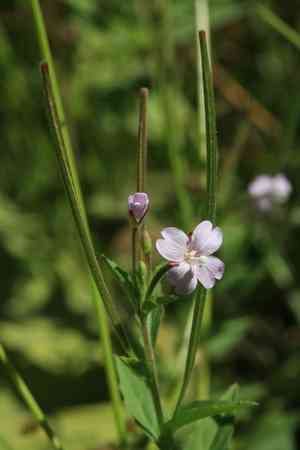
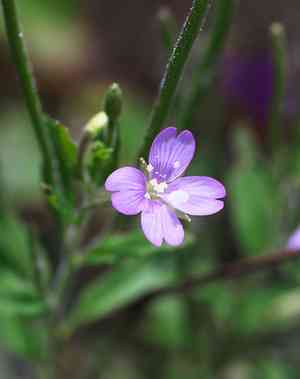
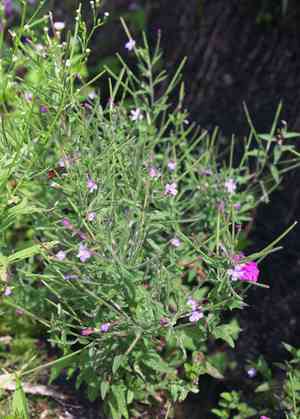
Epilobium pyrricholophum can be identified by its slender, erect stems, narrow lance-shaped leaves, and small pink to reddish flowers that bloom in clusters. The plant typically stands at a medium height and has a fine, somewhat hairy texture to its foliage.
Scientific Classification of Long-seed willowherb
Phylum
Vascular plants
Class
Dicotyledons
Order
Myrtle order
Family
Evening primrose
Genus
Willowherbs
Species
Long-seed willowherb
Planting and Growing of Long-seed willowherb
Care Difficulty
Easy
Watering Schedule
Every 3 days
Sunlight Requirements
Partial sun
Sunshine Duration
6-10 hours
Ideal Temperature
60-75℉
Soil Type
Potting Mix, Peat Mix
Soil pH
6.5-7.5
Fertilizer Type
Balanced
Pruning Season
Spring, Summer
Pruning Area
Branches, Leaves
Pruning Frequency
Once a year
Repotting Season
Spring
Pot Type
Ceramic, Plastic
 How to Water Long-seed willowherb?
When watering Epilobium pyrricholophum, aim to provide around 250 ml of water per session. The key is to keep the soil moist but not soggy. You want the top inch of the soil to dry out between waterings, ensuring that the roots are well-hydrated but not overly soaked.
What are the symptoms of an underwatered Long-seed willowherb?
›
What should I do if my Long-seed willowherb is not getting enough water?
›
What are the symptoms of an overwatered Long-seed willowherb?
›
How to save an overwatered Long-seed willowherb?
›
 What Are the Sunlight Requirements for Long-seed willowherb?
Epilobium pyrricholophum thrives best under partial to full sun exposure. Ideal light promotes optimal photosynthesis, stronger stems, lush leaves, and prolific flowering, enhancing its aesthetic and physiological health.
What is the ideal lighting condition for Epilobium pyrricholophum?
›
How can you provide the ideal light for Epilobium pyrricholophum?
›
What benefits does ideal lighting offer to Epilobium pyrricholophum?
›
 What Is the Ideal Temperature Range for Long-seed willowherb?
The ideal temperature range for the growth of Epilobium pyrricholophum is between 60°F and 75°F. This range ensures that the plant receives optimal conditions for photosynthesis and metabolic functions. Maintaining this temperature range during the plant's active growth period promotes healthy foliage and encourages blooming. How can I ensure that my Epilobium pyrricholophum remains within this ideal range? It is beneficial to use a thermostat-controlled heating or cooling system to regulate environmental temperatures, ensuring they remain within this optimal range.
 What Soil is Best for Long-seed willowherb?
Epilobium pyrricholophum thrives in well-drained soils, which prevents water from accumulating around the roots. This helps avoid root rot and ensures the plant receives sufficient oxygen. Rich, fertile soil provides essential nutrients for this plant's growth, improving both flowering and leaf development, ensuring a lush, vibrant display. The soil should retain some moisture without becoming waterlogged, as this helps to maintain a stable supply of water to the roots, promoting healthy growth.
 How to Fertilize Long-seed willowherb?
Epilobium pyrricholophum, like many flowering herbs, benefits from balanced fertilizer application. For liquid fertilizers, a concentration around 10-10-10 NPK is ideal, using 1/2 teaspoon per gallon of water. When applying slow-release granules, use approximately 1 tablespoon per plant, lightly worked into the topsoil.
 How to Prune Long-seed willowherb?
Start by identifying weak or leggy shoots that could hinder overall plant structure. Look for thin, crossing branches or those that are affected by disease and prune these back to healthy wood to encourage robust growth. Use a pair of sanitized pruning shears to make clean, angled cuts just above a leaf node or bud. This encourages the plant to direct its energy towards healthier growth and reduces the shock on the plant. After pruning, water the plant deeply and consider applying a balanced fertilizer. This provides necessary nutrients to support vigorous regrowth and can help the plant recover from any stress caused by pruning.
More About Pruning Techniques→
 How to Propagate Long-seed willowherb plant?
1
Collect mature seeds from the plant in late summer. Ensure they are dry and store them in a cool, dark place until sowing.
2
Select healthy, non-flowering stems in early spring. Cut them at an angle and remove the lower leaves, preparing them for rooting.
3
Sow seeds in seed trays filled with well-draining soil in spring. Lightly cover and water gently to maintain soil moisture.
 How to Repot Long-seed willowherb plant?
1
Observing the roots emerging through the drainage holes or the soil drying out more rapidly can signal that it's time to repot Epilobium pyrricholophum. Ideally, repot when growth is active during spring or summer.
2
Select a pot that is 1-2 inches larger in diameter than the current one. A pot with drainage holes is essential to prevent root rot and allow excess moisture to escape, ensuring your plant’s roots have optimal growing conditions.
3
Choose a well-draining loamy soil mix to ensure good air circulation and water management for Epilobium pyrricholophum. This type of soil mimics the native growing environment and supports healthy root development.
Learn More About Long-seed willowherb Diseases
Anthracnose
Bacterial Leaf Spot
Bacterial Soft Rot
Bacterial Wilt
Black Spot
Chemical Injury
Crown Gall
Cyst Nematode
Damping-off
Downy Mildew
Drought Stress
Fusarium Wilt
Gray Mold
Leaf Curl
Leaf Spot
Mosaic
Nutrient Deficiency
Nutrient Toxicity
Powdery Mildew
Root Rot
Root-knot Nematode
Rusts
Sooty Mold
Spider Mites
Temperature Stress
Thrips Damage
White Mold



