How to Transplant Matchbox bean?
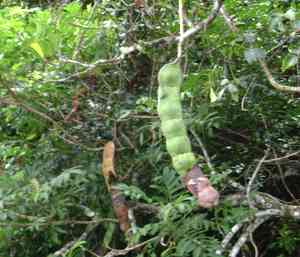
Relocating matchbox bean is most successful when performed as winter's cold recedes and spring's mild temperatures arrive. Select locations that provide filtered light and damp, adequately draining earth to foster vigorous development. Careful handling promotes effective adaptation.
What Preparations are Needed Before Transplanting Matchbox Bean?
What is the Ideal Time for Transplanting Matchbox Bean?
The optimal period for relocating matchbox bean occurs as winter's chill recedes and spring's warmth emerges. During this revitalizing interval, natural cycles support root establishment, ensuring a robust beginning for matchbox bean. Transplanting in these months maximizes moisture availability, which is vital for matchbox bean to develop a strong root system. This timing also aligns with the inherent growth surge of perennials, offering matchbox bean the best opportunity to flourish in its new spot.
How Much Space Should You Leave Between Matchbox Bean Plants?
Hello, gardening enthusiast! Before moving your matchbox bean to its new home, plan to provide ample room for growth. Aim for a generous spacing of approximately 13-20 feet (4-6 meters) between each plant. This allows each matchbox bean sufficient area to expand its roots and branches.
What is the Best Soil Mix for Matchbox Bean Transplanting?
Your matchbox bean will thrive in soil that drains well and possesses a degree of richness. Consider incorporating compost or a balanced slow-release fertilizer into the ground preparation. A pH level near neutral would be perfect for promoting healthy development.
Where Should You Relocate Your Matchbox Bean?
When selecting a location for your matchbox bean, sunlight is crucial for a thriving plant. Choose a sunny spot that receives at least 6 hours of direct sunlight daily. Partial shade is acceptable, but full sun will truly help your matchbox bean flourish!
What Equipments Should You Prepare Before Transplantation Matchbox Bean?
Gardening Gloves
To safeguard your hands while handling soil and the plant.
Shovel or Spade
For excavating the plant and preparing its new cavity.
Garden Fork
To loosen the earth surrounding the plant's root structure.
Watering Can or Hose
To hydrate the plant prior to and following its relocation.
Wheelbarrow
To move the plant and soil if required.
Pruning Shears
To trim any impaired roots or branches.
Mulch
To retain soil moisture and stabilize soil temperature at the new site.
Plant Support/Stake
To offer stability for matchbox bean if necessary.
How Do You Remove Matchbox Bean from the Soil?
How Do You Remove Matchbox Bean from the Soil?
From Ground: Start by irrigating the matchbox bean plant to moisten the surrounding earth. Use a shovel to dig a wide circle around the plant, ensuring you are far enough away to avoid harming the root ball. Once a trench is formed, angle the shovel beneath the root ball and gently lift the plant from the soil.From Pot: First, water the matchbox bean to facilitate its removal. Turn the pot sideways, grasp the plant by its base stems, and gently tap the bottom to dislodge the plant. Gradually increase the force until the matchbox bean slides out, keeping the root ball intact.From Seedling Tray: Water the seedlings thoroughly beforehand, then carefully push the matchbox bean seedling from the bottom of the tray cell, or use a tool like a dibber to ease it out without compacting the root ball.
Step-by-Step Guide for Transplanting Matchbox Bean
Preparation
Prepare the new site for your matchbox bean by ensuring the planting hole is twice as wide and equally as deep as the plant's root ball.
Root Pruning
Examine the matchbox bean's root ball and trim any overly long or damaged roots using pruning shears.
Planting
Position the matchbox bean into the hole, carefully spreading its roots. Ensure the plant sits at the same level as its original location and backfill with soil, gently tamping down to eliminate air pockets.
Watering
Immediately after planting, thoroughly water your matchbox bean to settle the soil around the roots and help mitigate transplant shock.
Staking
If your matchbox bean is tall or appears unstable, add a stake for support and loosely tie the plant to it.
How Do You Care For Matchbox Bean After Transplanting?
Stabilization
Provide your matchbox bean with stakes or other supports if it exhibits signs of stress or instability.
Monitoring
Check on your matchbox bean daily to observe its recovery post-transplant. Look for indications of new growth as a sign of successful transplanting.
Pruning
Trim any dead or damaged branches to encourage fresh growth and reduce strain on matchbox bean's root system.
Support
Continue to use protective mulch to help regulate soil temperature and maintain moisture around the new site.
Troubleshooting Common Issues with Matchbox Bean Transplantation.
When's the ideal time to transplant matchbox bean?
Relocate matchbox bean when the weather begins to warm, from late winter through the peak of spring.
What spacing should I leave between matchbox bean plants?
Allow a generous distance of approximately 13-20 feet (4-6 meters) between each matchbox bean for optimal growth.
How deep should I plant matchbox bean's roots?
Dig a hole that comfortably accommodates the root ball, typically 2-3 times its size, ensuring roots have room.
How do I prepare the soil for matchbox bean transplantation?
Enrich the soil with organic compost and ensure it drains well to provide a nourishing foundation.
Can I transplant matchbox bean in full sun locations?
Yes, matchbox bean thrives in full sun but can also endure partial shade, ensuring it receives ample daylight.
How much should I water matchbox bean after transplanting?
Water thoroughly after transplanting to settle the soil around the roots, then regularly based on soil dryness.
Why are matchbox bean's leaves wilting after transplanting?
Wilting might be due to shock or insufficient watering. Maintain consistent moisture and avoid waterlogging the soil.
How do I manage transplant shock in matchbox bean?
Minimize root disturbance during transplanting, and keep the soil moist to help matchbox bean recover from shock.
Should I use a stake for matchbox bean after transplanting?
Staking can help matchbox bean remain upright and stable, but ensure it doesn't harm the main root system.
How do I protect matchbox bean from pests after transplanting?
Regularly inspect matchbox bean for signs of pests and treat with environmentally friendly options if necessary.



