How to Transplant Empetrum rubrum?
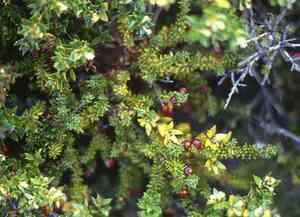
Empetrum rubrum flourishes when relocated between the beginning and end of summer. This timeframe facilitates ideal root development. Select a bright location featuring well-draining, acidic earth. Exercise caution during handling to reduce root disturbance.
What Preparations are Needed Before Transplanting Empetrum Rubrum?
What is the Ideal Time for Transplanting Empetrum Rubrum?
The best period for relocating empetrum rubrum, a perennial, spans from early to late summer. This timing ensures warm soil and an extended growing season, facilitating quicker root establishment. Moving it during these months maximizes development and reduces stress, boosting the plant's health and resilience.
How Much Space Should You Leave Between Empetrum Rubrum Plants?
When transplanting empetrum rubrum, position plants approximately 12-18 inches (30-45 cm) apart. This spacing provides ample room for growth and spread while ensuring proper air circulation among them.
What is the Best Soil Mix for Empetrum Rubrum Transplanting?
Prepare well-draining, acidic soil for empetrum rubrum, enriching it with compost or peat moss. Use a balanced, slow-release fertilizer as a base, adhering to package directions for optimal outcomes.
Where Should You Relocate Your Empetrum Rubrum?
Select a sunny location with partial shade for empetrum rubrum. Ensure it receives about 4-6 hours of sunlight daily. Excessive direct sun may stress the plant, while insufficient light can impede its growth.
What Equipments Should You Prepare Before Transplantation Empetrum Rubrum?
Gardening Gloves
To safeguard your hands when handling soil and plants.
Shovel or Spade
For excavating the plant from its initial spot and preparing the new planting site.
Garden Fork
To loosen the soil surrounding the plant, making it easier to lift.
Watering Can or Hose
To hydrate the plant prior to and following its relocation.
Pruning Shears
To trim any impaired or lifeless roots or foliage.
Wheelbarrow
To move the plant if the new site is distant from its original position.
Mulch
To safeguard the plant and aid in retaining soil moisture post-transplanting.
How Do You Remove Empetrum Rubrum from the Soil?
How Do You Remove Empetrum Rubrum from the Soil?
From Ground: First, moisten the empetrum rubrum plant's soil. Then, dig a wide trench around the plant with a shovel or spade, keeping the root ball intact. Carefully work the spade beneath the root ball to lift the plant from its original spot.From Pot: Thoroughly water the empetrum rubrum plant to loosen the soil. Gently tilt the pot on its side and tap the bottom to release the plant. If root-bound, use a garden fork to loosen roots before carefully extracting it.From Seedling Tray: Water the empetrum rubrum seedlings for easier removal. Use a small garden fork or your fingers to gently separate seedlings from the tray, taking care not to harm the roots. Handle seedlings by their leaves to prevent stem damage.
Step-by-Step Guide for Transplanting Empetrum Rubrum
Prepare the Site
Ensure the new location is ready for planting. Dig a hole twice as wide and as deep as the empetrum rubrum's root ball.
Remove the Plant
Follow the appropriate removal method based on the empetrum rubrum's initial location.
Inspect the Roots
Examine the roots for any indications of disease or damage. Trim any unhealthy roots using pruning shears.
Planting
Place the empetrum rubrum in the hole, ensuring the top of the root ball is level with the ground. Backfill the hole with the excavated soil, gently firming it around the roots.
Water Thoroughly
Water the newly transplanted empetrum rubrum extensively to settle the soil and eliminate air pockets.
Add Mulch
Apply a layer of mulch around the plant's base to help retain moisture and suppress weeds.
How Do You Care For Empetrum Rubrum After Transplanting?
Watering
Keep the soil around the empetrum rubrum consistently moist, but not waterlogged, for the initial weeks post-transplant to aid in root establishment.
Monitoring
Observe the empetrum rubrum for signs of stress, such as wilting or yellowing leaves, and adjust care as needed.
Weeding
Remove any weeds that emerge near your empetrum rubrum to lessen competition for nutrients and water.
Protecting
If transplanting during hot weather, consider providing temporary shade to prevent transplant shock.
Troubleshooting Common Issues with Empetrum Rubrum Transplantation.
When is the best time to transplant empetrum rubrum?
Relocate empetrum rubrum from early to late summer for optimal growth and establishment.
How far apart should I space empetrum rubrum plants?
Space empetrum rubrum plants approximately 12-18 inches (30-45 cm) apart to ensure sufficient growth and airflow.
How should I prepare the soil before transplanting empetrum rubrum?
Incorporate organic compost into the soil to enhance drainage and nutrient content for empetrum rubrum.
Should I water empetrum rubrum immediately after transplanting?
Yes, thoroughly water empetrum rubrum to help the roots settle into their new environment.
What should I do if empetrum rubrum looks wilted after transplanting?
Ensure empetrum rubrum receives consistent moisture and partial shade until it recovers from transplant shock.
Is it necessary to prune empetrum rubrum before transplanting?
Lightly trim any damaged or overgrown branches of empetrum rubrum to reduce stress during the move.
How deep should I plant empetrum rubrum during transplanting?
Plant empetrum rubrum at the same depth it was in its original location to avoid root stress.
Should I fertilize empetrum rubrum after transplanting?
Wait a few weeks before fertilizing empetrum rubrum to allow it to adapt to the new soil.
Can empetrum rubrum be transplanted in full sunlight?
Empetrum rubrum prefers partial shade; try to avoid transplanting in full sun to minimize stress.
How can I prevent transplant shock in empetrum rubrum?
Consistent watering, partial shade, and organic mulch can reduce transplant shock in empetrum rubrum.



