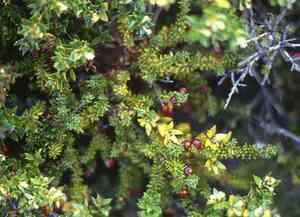
Empetrum rubrum (Empetrum rubrum)
Also known as: Red Crowberry
Empetrum rubrum, known for its low-growing form and vibrant red berries, is well-suited to cold, boggy environments. Key adaptations include its evergreen, needle-like leaves, which minimize water loss and endure freezing temperatures. Its compact growth reduces wind exposure and conserves warmth. The plant's deep root system effectively taps into the nutrient-poor, acidic soils typical of bogs. Additionally, its berries, dispersed by animals, ensure successful reproduction in tough conditions. These features collectively enable Empetrum rubrum to flourish in its challenging native habitats.
In This Article
Attributes of Empetrum rubrum
Lifespan
Perennial
Plant Type
Shrub
Plant Height
5-25 cm
Spread
Spreading
Leaf Color
Dark green
Flower Size
Very small
Flower Color
Pink to purple
Images of Empetrum rubrum
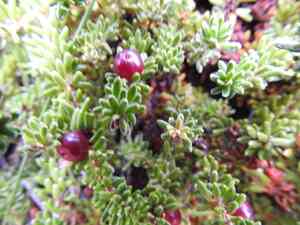
Quickly Identify Empetrum rubrum
1
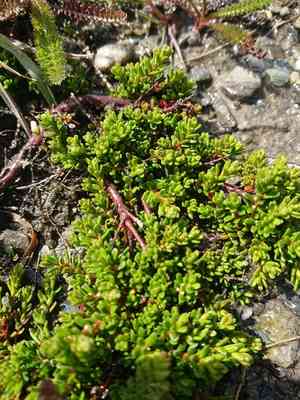
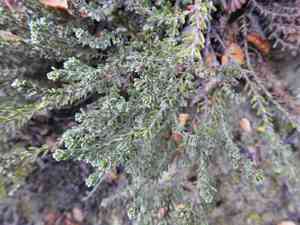
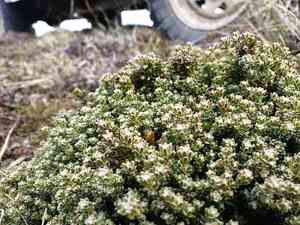
Empetrum rubrum can be identified by its low-growing, mat-forming habit, small needle-like leaves, and red or purple berries. The leaves are typically dark green and arranged alternately on the stem.
Scientific Classification of Empetrum rubrum
Phylum
Vascular plants
Class
Dicotyledons
Order
Ericales
Family
Heath
Genus
Crowberries
Species
Empetrum rubrum
Planting and Growing of Empetrum rubrum
Care Difficulty
Moderate
Watering Schedule
Every 2 days
Sunlight Requirements
Partial sun
Sunshine Duration
4-8 hours
Ideal Temperature
50-68℉
Soil Type
Potting Mix, Peat Mix
Soil pH
4.5-6
Fertilizer Type
Balanced
Pruning Season
Spring, Summer
Pruning Area
Branches, Leaves
Pruning Frequency
2 times a year
Repotting Season
Spring
Pot Type
Plastic, Terracotta
 How to Water Empetrum rubrum?
Empetrum rubrum prefers a conservative watering approach. Ensure the soil is evenly moist but not soggy. 200 ml is typically sufficient to keep the roots hydrated without causing waterlogging. The goal is to maintain a consistently light dampness that mimics its natural, temperate habitat.
What are the symptoms of an underwatered Empetrum rubrum?
›
What should I do if my Empetrum rubrum is not getting enough water?
›
What are the symptoms of an overwatered Empetrum rubrum?
›
How to save an overwatered Empetrum rubrum?
›
 What Are the Sunlight Requirements for Empetrum rubrum?
Empetrum rubrum prefers partial sun to full sun conditions, typically receiving between 4 to 6 hours of light. Such exposure ensures sufficient photosynthetic activity, promoting healthful energy creation and sustaining robust growth and flowering.
How much sun does Empetrum rubrum need?
›
How can I ensure Empetrum rubrum gets its ideal sunlight?
›
What benefits does ideal sunlight provide for Empetrum rubrum?
›
 What Is the Ideal Temperature Range for Empetrum rubrum?
For Empetrum rubrum, the ideal temperature range for optimal growth is between 50°F and 68°F. This range supports active metabolic processes and ensures healthy foliage and fruit development. Growing the plant within these temperatures helps avoid stress and potential growth inhibition.
 What Soil is Best for Empetrum rubrum?
Empetrum rubrum thrives in well-drained soil that prevents waterlogging. Good drainage ensures the roots remain healthy and prevents rot, allowing the plant to flourish. While being well-draining, the soil should also retain moisture to provide consistent hydration. This balance helps in maintaining vibrant foliage and robust growth. Rich organic matter in the soil supports the nutritional needs of Empetrum rubrum, promoting vigorous growth and abundant berry production.
 How to Fertilize Empetrum rubrum?
Empetrum rubrum thrives with moderate fertilization. When applying, use about 10–15 grams per square meter for solid fertilizers and ensure liquids are diluted to half the recommended concentration. Over-fertilization can harm the plant, so always err on the side of caution.
 How to Prune Empetrum rubrum?
Begin by removing any dead, damaged, or diseased branches using sharp, sterilized shears. This ensures that the plant focuses its energy on healthy growth. Trim back the outer growth to maintain its shape, but be careful not to cut into the old wood, as this can prevent new growth. Aim to create an even form that allows light to penetrate the center of the plant. After pruning, it's beneficial to water the plant and apply a balanced fertilizer. This supports recovery and promotes vigorous new growth. Keep the soil moist but not waterlogged, and monitor the plant for any signs of stress, adjusting care as necessary.
More About Pruning Techniques→
 How to Propagate Empetrum rubrum plant?
1
Start by soaking the seeds in warm water for 24 hours to break dormancy. After soaking, sow the seeds in seed trays filled with a well-draining soil mix. Lightly cover them with soil and water gently.
2
Select healthy, non-flowering stems from the parent plant. Cut a 4-6 inch section just below a node. Remove the bottom leaves to reduce water loss and dip the cut end in rooting hormone to encourage faster root development.
3
Place the prepared cuttings into a mixture of peat and perlite for good drainage. Ensure that at least one node is buried in the soil. Water thoroughly and place in a warm, bright location away from direct sunlight.
 How to Repot Empetrum rubrum plant?
1
Look for signs that your Empetrum rubrum needs repotting, such as roots circling the pot, reduced growth, or the plant drying out too quickly after watering. These indicators suggest that the plant has outgrown its current space and would benefit from a larger pot or fresh soil.
2
Select a pot that is slightly larger than the current one, with good drainage holes to prevent waterlogging. Using a pot with proper drainage allows excess water to escape, reducing root rot risk and ensuring the plant's roots have enough room to grow effectively.
3
Empetrum rubrum thrives in acidic, well-draining soil. A mix of peat, sand, and organic matter usually works well. This type of soil mixture mimics the plant's natural habitat, providing the drainage and acidity needed for optimal growth and preventing water retention issues.



