How to Transplant Cardamom?
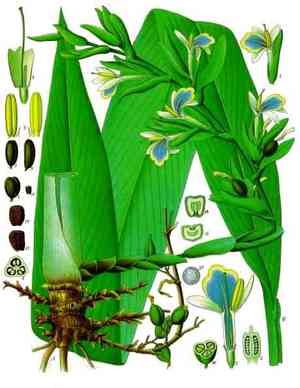
As the vitality of spring revitalizes the environment, it presents an ideal period for relocating cardamom, fostering improved development. Choose a partially shaded spot with fertile, adequately draining earth to establish cardamom in its fresh abode.
Necessary Preparations Before Relocating Cardamom?
Optimal Period for Cardamom Relocation?
The perfect time for moving cardamom is early spring. This opportune moment promotes strong root growth, assisting the plant's adaptation and development in its new spot before summer's heat.
Required Spacing Between Cardamom Plants?
Allow cardamom plants ample room for root expansion by maintaining a distance of approximately 2-3 feet (60-90 cm) during transplantation. This provides sufficient space for growth without competition.
Ideal Soil Blend for Cardamom Transplanting?
Prepare your garden bed with well-draining, nutrient-rich soil. Incorporating organic compost or aged manure as a base fertilizer is ideal, fostering a fertile environment for cardamom to thrive.
Where to Position Your Cardamom?
Select a site for cardamom where it will receive filtered sunlight or partial shade. Excessive direct sun can cause the plant to decline. Proper light placement will encourage healthy development.
Equipment Needed Before Cardamom Transplantation?
Gardening Gloves
To safeguard your hands while handling soil and cardamom.
Shovel or Spade
For excavating the cardamom from the ground, pot, or seedling tray.
Garden Trowel
To create a planting cavity for cardamom.
Watering Can or Hose
To hydrate the cardamom plant prior to and following transplantation.
Compost
To supply nutrients to cardamom and stimulate robust root development.
Mulch
To preserve soil moisture and inhibit weed proliferation around the cardamom plant.
How to Extract Cardamom from the Soil?
How to Extract Cardamom from the Soil?
From Ground: First, moisten the ground around the cardamom plant to soften the soil. Avoid overwatering; just enough to facilitate removal. Then, use a shovel to dig a wide circle around the plant, ensuring ample space for the root ball. Dig deeply enough to keep the root ball intact. Carefully lift the plant from the ground.From Pot: Similar to the ground method, lightly water the pot's soil. Gently rock the cardamom plant from side to side to loosen it. Once some movement is achieved, invert the pot, supporting the plant and its root ball with your hand. Carefully ease the plant out of the pot.From Seedling Tray: Utilize a garden trowel or spoon to scoop out the seedling along with its soil, taking care not to harm the delicate roots. Handle the seedling by its leaves, not its stem or roots.
Step-by-Step Guide for Cardamom Transplantation
Preparation
Prepare the transplant hole before extracting your cardamom from its original spot. The hole should be twice as wide and as deep as the root ball. Place fresh compost at the bottom of the hole for nourishment.
Transplanting
Position cardamom in the hole. The top of the root ball should be level with the surrounding soil. Ensure cardamom stands upright.
Backfilling
Fill in around the cardamom root ball with garden soil, firming it as you go to eliminate any air pockets.
Watering
After cardamom has been transplanted, water thoroughly. Ensure the soil is moist, not saturated.
Mulching
Spread a layer of mulch around the base of cardamom. This will help retain soil moisture and suppress weed growth.
Post-Transplantation Care for Cardamom?
Watering
Water cardamom consistently but ensure the soil does not become waterlogged. Overwatering can often be more detrimental than underwatering.
Checking
Monitor cardamom closely for several weeks, watching for signs of transplant shock such as wilting or yellowing leaves. If these symptoms appear, try adjusting the watering.
Pruning
If the plant begins to show signs of stress, you may need to trim it slightly to lessen the strain on the roots.
Protection
Depending on the season and weather, cardamom might require additional protection, such as a frost cloth for cold nights.
Resolving Common Cardamom Transplantation Issues.
What's the best season to transplant cardamom?
The optimal period to move cardamom is between the first and third quarters of the year.
What is the correct distance to space cardamom plants?
Cardamom needs ample room to flourish, so maintain a spacing of approximately 2-3 feet (60-90 cm).
Is immediate watering necessary after transplanting cardamom?
Yes, water your cardamom immediately after transplantation. This helps settle the soil and remove air pockets.
What type of soil is suitable for transplanting cardamom?
Cardamom prefers rich, loamy soil that drains well. Avoid clay or sand-heavy soils, which can impede root development.
Why are my transplanted cardamom plants wilting?
Wilting after transplanting is often due to shock. Keep the soil consistently moist and shield them from harsh weather conditions.
When should I begin fertilizing after transplanting cardamom?
Wait 2-3 weeks before starting fertilization. This allows cardamom time to adjust and prevents root burn.
What if my cardamom isn't growing after being transplanted?
Patience is crucial with cardamom. Ensure proper conditions: adequate water, light, temperature, and soil. If these are correct, new growth will appear in due course.
What indicates that the cardamom plant needs transplanting?
A root-bound system, stunted growth, or nutrient deficiency are all signs that your cardamom might benefit from relocation.
What's the best tool for transplanting cardamom?
A garden spade or shovel of appropriate size for the plant works best. It should be sharp to cut through the soil without causing excessive damage to the roots.
How deep should I plant cardamom when transplanting?
You should plant cardamom at the same depth it was in its previous container. Planting too deep can cause stem rot, and too shallow can expose the roots.



