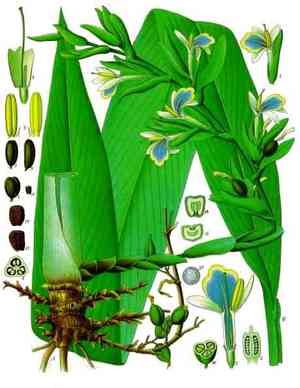
Cardamom (Elettaria cardamomum)
Also known as: Green cardamom, Cardamon
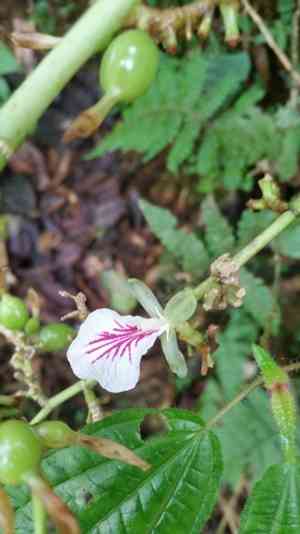
Elettaria cardamomum is a fragrant, aromatic, perennial herb that reaches a height of 2 to 4 meters. Its leaves are alternately arranged in two rows and are linear-lanceolate, measuring between 41 and 61 cm in length, with pointed tips. The plant produces white to pale violet flowers on a loose spike that is 30 to 61 cm long. The fruit is a yellow-green, three-sided pod, 1 to 2 cm in length, containing 15 to 20 black and brown seeds.
In This Article
Attributes of Cardamom
Lifespan
Perennial
Plant Type
Herb
Plant Height
1.8 m to 4.5 m
Spread
3 m
Leaf Color
Green
Flower Size
2-4 cm
Flower Color
White Yellow
Images of Cardamom
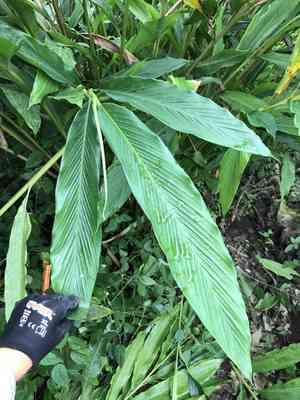
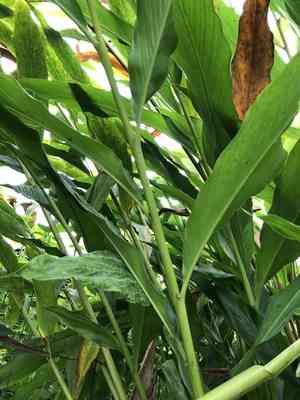
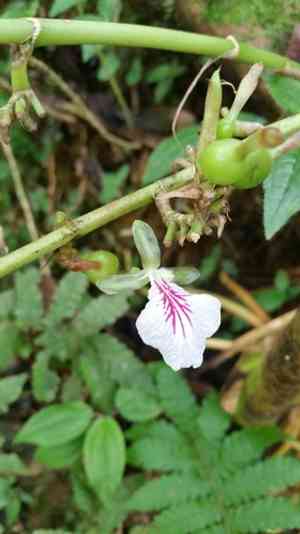
Quickly Identify Cardamom
1
Lance-shaped leaves up to 2 feet (60 cm) long with purple-tipped yellow flowers.
2
Striking yellow flowers with lilac-purple veins arranged in loose panicles.
3
Oblong, 2 cm capsules with three-angled, smooth surfaces and highly aromatic seeds.
4
Smooth, glossy, sword-shaped leaves up to 24 inches (60 cm) long.
5
Cane-like stems reaching 6-15 feet (1.8-4.6 meters) with trailing shoots bearing seed capsules.
Scientific Classification of Cardamom
Phylum
Vascular plants
Class
Monocotyledons
Order
Zingiberales
Family
Ginger
Genus
Elettaria
Species
Cardamom
Planting and Growing of Cardamom
Care Difficulty
Hard
Watering Schedule
Every 4 days
Sunlight Requirements
Partial sun
Sunshine Duration
4-6 hours
Ideal Temperature
68-95℉
Soil Type
Potting Mix, Peat Mix
Soil pH
6.5-7.5
Fertilizer Type
Balanced
Pruning Season
Spring, Summer
Pruning Area
Branches, Leaves
Pruning Frequency
2 times a year
Repotting Season
Spring
Pot Type
Plastic, Ceramic
 How to Water Cardamom?
The watering amount for Elettaria cardamomum should ideally saturate the soil without leaving it waterlogged. Aim for about 500 ml per watering session, enough to moisten the root zone uniformly without causing standing water. Ensure excess water drains out to prevent root rot.
What are the symptoms of an underwatered Cardamom?
›
What should I do if my Cardamom is not getting enough water?
›
What are the symptoms of an overwatered Cardamom?
›
How to save an overwatered Cardamom?
›
 What Are the Sunlight Requirements for Cardamom?
Partial sun maximizes Elettaria cardamomum's foliar development and pod production efficiency by balancing sun exposure and shade, mimicking a forest understory environment.
More About Sunlight Requirements Techniques→
What are the ideal lighting conditions for Elettaria cardamomum?
›
How can I achieve the ideal light conditions for this plant?
›
What benefits does Elettaria cardamomum gain from ideal lighting?
›
 What Is the Ideal Temperature Range for Cardamom?
Elettaria cardamomum thrives in warm, humid environments, with an ideal temperature range from 68°F to 95°F. These temperatures support vigorous growth and optimal physiological function, mimicking the plant's native tropical habitat.
 What Soil is Best for Cardamom?
Elettaria cardamomum thrives in well-drained soils that prevent waterlogging. Proper drainage ensures the roots remain healthy, promoting optimal growth and aromatic yield. A soil rich in organic matter is essential for Elettaria cardamomum. It provides necessary nutrients and supports the soil's ability to retain moisture, fostering vigorous plant growth. Elettaria cardamomum needs consistently moist soil, but not overly wet. Maintaining moderate moisture levels helps sustain healthy root systems and maximizes plant vigor.
 How to Fertilize Cardamom?
When fertilizing Elettaria cardamomum, ensure you apply a balanced fertilizer at half-strength. Avoid adding too much to prevent overfertilization. In general, 1-2 teaspoons of liquid fertilizer per gallon of water works well for maintenance.
 How to Prune Cardamom?
Before pruning, make sure you have clean, sharp pruning shears. Clean tools help prevent the spread of disease. Sterilize them with alcohol before starting. Look for any yellow, brown, or dead leaves on the Elettaria cardamomum. These should be your primary targets for removal as they can sap energy from the healthy growth. Carefully cut away dead or dying leaves at the base, close to the main stem. Make neat cuts to avoid damaging the plant, which can lead to infections. To maintain an appealing shape, selectively trim excess foliage that causes overcrowding. This not only improves the look but boosts airflow.
More About Pruning Techniques→
 How to Propagate Cardamom plant?
1
Begin by selecting viable seeds. Soak them in water for 24 hours to improve germination rates before planting them in a well-drained seed tray filled with rich, organic soil.
2
Gently dig up the mature plant and divide its root clusters with a sharp knife. Ensure each division has at least one healthy shoot and sufficient roots to sustain it.
3
Plant the divided rhizomes in individual pots filled with fertile soil. Ensure they are planted at the correct depth and kept moist but not waterlogged as they establish.
 How to Repot Cardamom plant?
1
Elettaria cardamomum needs repotting when its roots start to circle the pot, visible through the drainage holes. When you notice slowed growth or the plant becomes root-bound, it's time to consider repotting. Spring and early summer are ideal for this process due to the active growth phase.
2
Select a pot that's 2-3 inches larger in diameter than the current one. A larger pot provides enough space for root expansion, reduces the risk of root circling, and allows better moisture management. Ensure it has drainage holes to prevent root rot and waterlogging issues.
3
Opt for a soil mix that is rich in organic matter with excellent drainage capabilities. A loamy soil mixed with sand and perlite encourages healthy root development by balancing moisture retention and drainage, which is crucial for Cardamom.
Learn More About Cardamom Diseases
Anthracnose
Bacterial Leaf Spot
Bacterial Soft Rot
Bacterial Wilt
Chemical Injury
Damping-off
Downy Mildew
Drought Stress
Fusarium Wilt
Gray Mold
Leaf Spot
Mosaic
Nutrient Deficiency
Nutrient Toxicity
Powdery Mildew
Root Rot
Root-knot Nematode
Sooty Mold
Spider Mites
Temperature Stress
Thrips Damage
White Mold



