How to Transplant Carolina elephantsfoot?
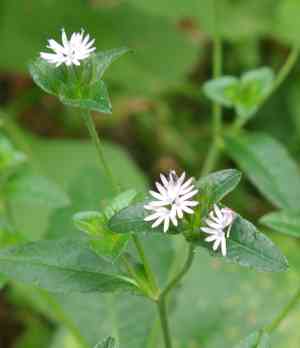
For best root development, the ideal period to move carolina elephantsfoot is from the pleasant warmth of late spring into mid-summer. Select a location that offers abundant light and soil that drains effectively. Bear in mind, a delicate approach guarantees a more seamless adjustment.
What Preparations are Needed Before Transplanting Carolina Elephantsfoot?
What is the Ideal Time for Transplanting Carolina Elephantsfoot?
The best period for moving carolina elephantsfoot is from the pleasantness of late spring to the warmth of mid-summer. This timeframe offers favorable conditions, allowing carolina elephantsfoot to develop strong roots before colder months. By transplanting carolina elephantsfoot during this season, you're giving them the best start, with extended daylight hours fostering their development and mild weather easing their adjustment.
How Much Space Should You Leave Between Carolina Elephantsfoot Plants?
When relocating your carolina elephantsfoot, aim to provide each plant ample room to flourish. A spacing of 18-24 inches (45-60 cm) between each one ensures sufficient space for growth and proper air circulation. Envision each carolina elephantsfoot having its own small area of soil to call its own.
What is the Best Soil Mix for Carolina Elephantsfoot Transplanting?
Your carolina elephantsfoot will thrive in soil that is rich and drains effectively. Incorporate some compost or a balanced slow-release fertilizer to prepare the planting site. This nourishing meal for your carolina elephantsfoot's roots will aid its establishment in its new spot. Strive for a good balance between sandy and clayey soil.
Where Should You Relocate Your Carolina Elephantsfoot?
Select a location for your carolina elephantsfoot that receives partial to full sunlight. An area that enjoys gentle morning sun followed by some afternoon shade is perfect. It's like choosing a comfortable nook where your carolina elephantsfoot can soak up the light without getting scorched.
What Equipments Should You Prepare Before Transplantation Carolina Elephantsfoot?
Gardening Gloves
To safeguard your hands while handling soil and plants.
Shovel or Spade
To excavate around and beneath the plant, extracting it from its original spot.
Watering Can or Hose
To hydrate the plant prior to and following the transplanting procedure.
Wheelbarrow or Plant Cart
To move carolina elephantsfoot from its initial position to the new transplanting site.
Trowel
For more delicate tasks or smaller specimens, enabling careful handling of the plant and its root system.
Pruning Shears
To trim any damaged roots or foliage.
Gardenerâs Knife
To assist with any necessary division of the plant or its roots.
Mulch
To help retain moisture in the soil after relocation.
Tape Measure
To ensure correct spacing between newly transplanted specimens.
How Do You Remove Carolina Elephantsfoot from the Soil?
How Do You Remove Carolina Elephantsfoot from the Soil?
From Ground: First, water carolina elephantsfoot to moisten the soil. Then, dig a wide trench around the plant using a shovel or spade, ensuring the plant's root ball remains intact. Carefully work the spade beneath the root ball to lift the plant from its original location.From Pot: Begin by watering carolina elephantsfoot to facilitate the removal process. Gently tilt the pot sideways and tap the bottom or sides to loosen the root ball. Gradually ease the plant out of the pot, taking care not to pull on the stems or leaves.From Seedling Tray: Water the seedlings to keep the soil cohesive during removal. Use a trowel or your fingers to gently lift each seedling from its cell, making sure to retain as much soil around the roots as possible.
Step-by-Step Guide for Transplanting Carolina Elephantsfoot
Preparation
Prepare the new planting site by loosening the soil and removing any unwanted plants or debris. Ensure the area is ready for the new transplant.
Digging Hole
Excavate a hole that is twice as wide as the root ball of carolina elephantsfoot and of the same depth to avoid burying the stem deeper than it was previously.
Plant Positioning
Place carolina elephantsfoot in the center of the hole and spread its roots naturally. The top of the root ball should be level with the surrounding soil surface.
Refilling
Gently backfill the hole with soil, tamping lightly to ensure contact between roots and soil without excessive compaction, which can hinder water absorption and root growth.
Watering
Immediately after planting, water carolina elephantsfoot thoroughly to settle the soil and eliminate air pockets. Ensure the water penetrates deeply to encourage roots to grow downward.
Mulching
Apply a layer of mulch around carolina elephantsfoot to help conserve moisture, maintain a consistent soil temperature, and reduce weed competition.
How Do You Care For Carolina Elephantsfoot After Transplanting?
Monitoring
Regularly check the soil moisture around carolina elephantsfoot and water when the top inch of soil feels dry to the touch.
Root Establishment
Minimize stress on carolina elephantsfoot by avoiding fertilization or excessive handling until the plant is well established.
Pruning
Remove any damaged or dead parts from carolina elephantsfoot to direct the plant's energy towards root and foliage development.
Weeding
Keep the area around carolina elephantsfoot clear of weeds that can compete for nutrients and water.
Patience
Allow carolina elephantsfoot time to adjust and acclimate to its new location; do not anticipate rapid growth immediately after transplanting.
Troubleshooting Common Issues with Carolina Elephantsfoot Transplantation.
When is the best time to transplant carolina elephantsfoot?
The ideal time is late spring to midsummer, ensuring a gentle start for carolina elephantsfoot's growth cycle.
How far apart should I space carolina elephantsfoot when transplanting?
Position carolina elephantsfoot approximately 18-24 inches (45-60 cm) apart to provide ample room for spreading.
How deep should the hole be when transplanting carolina elephantsfoot?
The hole should be as deep as the root ball, ensuring its top is level with the soil surface.
What soil conditions are best for transplanting carolina elephantsfoot?
Well-draining soil, rich in organic matter, will give carolina elephantsfoot a healthy start in its new location.
How much should I water carolina elephantsfoot after transplanting?
Water generously right after transplanting, then regularly to maintain moist but not soggy soil.
Should I fertilize carolina elephantsfoot immediately after transplanting?
Wait 4-6 weeks before fertilizing, allowing carolina elephantsfoot to settle and root systems to establish.
How should I prepare carolina elephantsfoot's root ball before transplanting?
Gently separate any circling roots to encourage outward growth in the new location.
What signs indicate transplant shock in carolina elephantsfoot?
Wilting, yellowing, or dropped leaves may signal shock; maintain care, and it should recover.
Is it necessary to prune carolina elephantsfoot when transplanting?
Light pruning can help reduce stress on carolina elephantsfoot's roots as they establish in new soil.
Can I transplant carolina elephantsfoot in containers?
Absolutely! Ensure the container is large enough and has drainage holes to accommodate growth.



