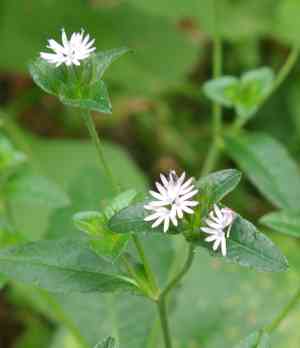
Carolina elephantsfoot (Elephantopus carolinianus)
Also known as: Elephant's foot, Devil's grandmother
The plant you are referring to is likely the Carolina Elephantsfoot (Elephantopus carolinianus). It features small purple flowers and large leaves that can grow up to 20 cm in length. This plant is known for being easy to cultivate and resistant to deer. However, be cautious, as some parts of it can be toxic if consumed.
In This Article
Attributes of Carolina elephantsfoot
Lifespan
Perennial
Plant Type
Herb
Plant Height
1.2 m
Spread
60 cm to 90 cm
Leaf Color
Green
Flower Size
8 mm to 1 cm
Flower Color
White Pink Purple
Images of Carolina elephantsfoot
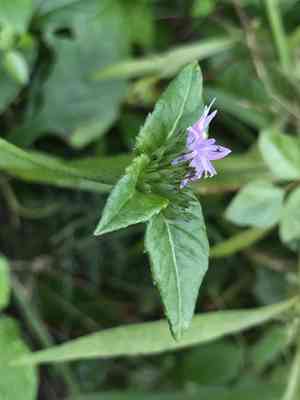
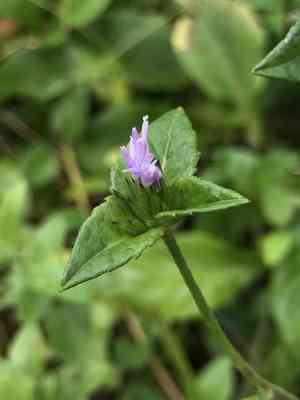
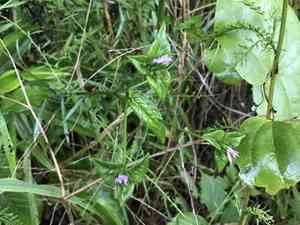
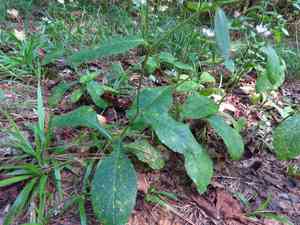
Quickly Identify Carolina elephantsfoot
1
Identification of Elephantopus carolinianus is aided by its broad, rough-textured basal leaves, which are often elliptic to lanceolate. The flowering stems are erect and can rise up to 1 meter tall, bearing purple flower heads that form clusters. The bracts below the flowers are distinctive and petal-like, adding to its unique appearance.
Scientific Classification of Carolina elephantsfoot
Phylum
Vascular plants
Class
Dicotyledons
Order
Asterales
Family
Daisy
Genus
Elephantsfoots
Species
Carolina elephantsfoot
Planting and Growing of Carolina elephantsfoot
Care Difficulty
Easy
Watering Schedule
Every 2 days
Sunlight Requirements
Partial sun
Sunshine Duration
8-12 hours
Ideal Temperature
68-77℉
Soil Type
Potting Mix, Peat Mix
Soil pH
6.5-7.5
Fertilizer Type
Balanced
Pruning Season
Spring, Summer
Pruning Area
Branches, Leaves
Pruning Frequency
2 times a year
Repotting Season
Spring
Pot Type
Plastic, Ceramic
 How to Water Carolina elephantsfoot?
Elephantopus carolinianus prefers a moderate watering approach. Ensure the soil is moist but not waterlogged. Aiming for about 250 milliliters each time you water should maintain the right balance. Always allow the top inch of soil to dry out before watering again, ensuring the roots have access to both moisture and air.
What are the symptoms of an underwatered Carolina elephantsfoot?
›
What should I do if my Carolina elephantsfoot is not getting enough water?
›
What are the symptoms of an overwatered Carolina elephantsfoot?
›
How to save an overwatered Carolina elephantsfoot?
›
 What Are the Sunlight Requirements for Carolina elephantsfoot?
Elephantopus carolinianus benefits from partial sun, ideally gaining 4 to 6 hours of filtered light daily. Proper lighting supports healthy growth, encouraging dense foliage and resistance to pests.
More About Sunlight Requirements Techniques→
What is the ideal lighting setting for Elephantopus carolinianus?
›
How can you ensure Elephantopus carolinianus gets optimal light?
›
What are the benefits of ideal lighting for Elephantopus carolinianus?
›
 What Is the Ideal Temperature Range for Carolina elephantsfoot?
The ideal temperature range for Elephantopus carolinianus is between 68°F and 77°F. This range provides optimal conditions for its growth and metabolic activities, ensuring healthy foliage and a higher resistance to diseases.
 What Soil is Best for Carolina elephantsfoot?
Elephantopus carolinianus thrives in well-drained soil. This soil characteristic helps prevent root rot and other moisture-related issues, ensuring healthy plant growth. The plant benefits greatly from nutrient-rich soil, which supports its robust growth and vibrant foliage. Regularly amending with organic matter can ensure nutrient availability. While well-drained conditions are paramount, the soil must have adequate moisture retention to prevent dehydration, maintaining the health and vitality of the plant.
 How to Fertilize Carolina elephantsfoot?
For Elephantopus carolinianus, it is best to use a balanced fertilizer with a ratio such as 10-10-10. When applying liquid fertilizer, use approximately 1/2 teaspoon per gallon of water. For slow-release granules, apply about 2 pounds per 100 square feet of planting area. These amounts ensure the plant receives adequate nutrients without the risk of over-fertilization.
 How to Prune Carolina elephantsfoot?
Begin by examining the plant for any dead or damaged leaves, as these should be removed first. Next, focus on thinning out overcrowded branches to allow better airflow and light penetration, which is essential for the plant’s health. Trim back any leggy stems to promote a fuller, bushier appearance. Use sharp, sterilized pruning shears to make clean cuts just above a leaf node to encourage new growth.
 How to Propagate Carolina elephantsfoot plant?
1
Begin by selecting healthy seeds from a reputable source. Before sowing, consider scarifying or soaking the seeds overnight to break dormancy and enhance germination rates. Prepare a seed tray with a well-draining potting mix, and gently press the seeds into the surface, ensuring they are spaced adequately to prevent competition as they grow.
2
Select healthy, non-flowering stems from the parent plant, ideally about 4-6 inches in length. Use sterilized pruning shears to make clean cuts just below a node. Remove any leaves from the lower third of the cutting to reduce moisture loss and encourage root development. Consider dipping the cut end in rooting hormone for increased success.
3
Divide mature plants by carefully digging them up and separating the root ball into smaller sections with visible growth points. Use a sharp knife or spade, ensuring each division has roots and shoots. Replant the divisions immediately in their new locations, and water thoroughly to help them establish in their new environment.
 How to Repot Carolina elephantsfoot plant?
1
Repot Elephantopus carolinianus when you notice the roots are growing through the drainage holes or if the plant seems to be stunted in growth. These are clear signs that the plant needs more space to flourish and grow properly.
2
Opt for a pot that is 2-3 inches larger in diameter than the current one. This ensures enough space for root expansion while preventing standing water, which could lead to root rot. Aim for pots with drainage holes for optimal water management.
3
Select a well-draining potting mix, ideally one that mimics the natural habitat of the plant. This type of soil will allow for adequate aeration and prevent water from stagnating, promoting healthier root systems.
Learn More About Carolina elephantsfoot Diseases
Anthracnose
Bacterial Leaf Spot
Bacterial Wilt
Crown Gall
Cyst Nematode
Damping-off
Downy Mildew
Drought Stress
Fusarium Wilt
Gray Mold
Leaf Spot
Mosaic
Nutrient Deficiency
Nutrient Toxicity
Powdery Mildew
Root Rot
Root-knot Nematode
Rusts
Sooty Mold
Spider Mites
Temperature Stress
Thrips Damage
White Mold



