How to Transplant Paperbush?
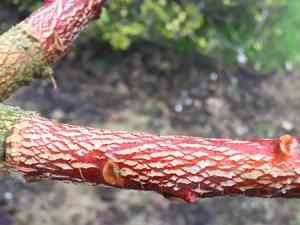
The ideal period for relocating paperbush is from early to mid-spring, enabling the plant to develop robust roots prior to the onset of summer warmth. Select a site with partial shade for the transplantation, and carefully disentangle its root mass to encourage optimal development. Enjoy your transplanting!
Essential Preparations Before Relocating Paperbush?
When is the Best Time to Move Paperbush?
Relocate paperbush at the start of spring, ideally between early and mid-spring. This timeframe ensures robust root development before the intense summer heat arrives. This gentle encouragement allows paperbush to firmly establish its roots in its new location, thereby enhancing the plant's long-term vitality. Remember, all this preparation contributes to a healthy, flourishing paperbush in your cherished garden. Isn't that a wonderful prospect? So, let's adhere to this schedule and watch your paperbush thrive.
What is the Recommended Spacing Between Paperbush Plants?
For paperbush, ensure ample room for substantial and beautiful growth! The optimal spacing is 5-6 feet (1.5-1.8 meters) apart. This provides the plants with the necessary area to flourish without becoming overcrowded.
What is the Optimal Soil Blend for Paperbush Relocation?
Paperbush thrives in well-draining, loamy soil with a pH between 5.5-6.5. To give them a strong start, incorporate organic matter such as compost or aged manure before transplanting. Apply a slow-release, balanced fertilizer to create a nutrient-rich foundation for healthier development.
Where Should You Replant Your Paperbush?
To ensure paperbush's well-being, select a planting site that receives partial to full sun exposure. While they can tolerate some shade, they generally prefer at least 4-6 hours of sunlight daily. Position the plant in a spot that offers the appropriate amount of sun for optimal growth.
What Tools Should You Prepare Before Transplanting Paperbush?
Gardening Gloves
These will safeguard your hands while handling soil and plants.
Shovel or Trowel
These implements are crucial for excavating the hole to replant your paperbush.
Watering Can
This is vital for hydrating the plant during and after its relocation.
Wheelbarrow or Plastic Tub
For transporting the plant from its original spot to the new one.
Organic Compost
To supply nutrients to the paperbush plant post-transplantation.
Mulch
To offer protection to the newly transplanted paperbush, preserving moisture and regulating soil temperature.
How Do You Extract Paperbush from the Ground?
How Do You Extract Paperbush from the Ground?
From Ground: First, thoroughly watering the paperbush plant will loosen the soil. Use a shovel or spade to dig a wide trench around the plant, ensuring the root ball remains intact. Gently work the spade under the root ball to lift the paperbush from its initial location. From Pot: After saturating the soil, tilt the pot sideways and carefully pull the paperbush out, keeping the soil around the roots. If resistance is met, tap the sides of the pot to loosen it for easier removal. From Seedling Tray: If the paperbush is in a seedling tray, it can be carefully removed by pushing from the bottom. It is essential to hold the seedling by its leaves, not the stem, to prevent damage.
Step-by-Step Guide for Relocating Paperbush
Preparing the New Location
Dig a hole twice as wide and as deep as the paperbush's root ball.
Positioning the Plant
Place the paperbush into the hole, ensuring the top of the root ball is level with or slightly above the ground surface.
Backfilling the Hole
Refill the hole with soil, compost, or a mixture of both, making sure the paperbush is secure but without overly compacting the soil.
Initial Watering
Water the paperbush generously after transplanting, ensuring the soil is thoroughly moistened.
How Do You Care For Paperbush After Relocation?
Watering
Consistent watering is crucial post-transplantation; keep the soil moist but not waterlogged to aid in strong root establishment.
Mulching
Apply a layer of mulch around the paperbush (avoiding the stem) to maintain optimal soil moisture and temperature.
Observation
Closely monitor the paperbush's condition after transplanting. If any signs of stress or disease appear, take prompt action.
Pruning
Prune any dead or diseased parts of the paperbush after transplantation to encourage healthier growth.
Addressing Common Issues with Paperbush Relocation.
What is the optimal time to relocate paperbush?
It's best to relocate paperbush in early to mid-spring, as it benefits from a fresh start in a new season.
Why is my relocated paperbush wilting?
Transplantation shock can cause wilting. Ensure necessary nutrients and moisture are provided for gradual recovery.
What is the ideal distance between two paperbush during relocation?
Paperbush requires space to grow, so the ideal planting distance is 5-6 feet (about 1.5-1.8 meters).
How deep should I dig when relocating paperbush?
The hole should be deep enough to fully accommodate the root ball—typically around 10 inches (25 cm) deep.
Why are the leaves of my relocated paperbush turning yellow?
Yellow leaves might indicate over-watering. Ensure good soil drainage and try reducing the amount of water given.
How much sunlight does a relocated paperbush need?
Paperbush prefers partial shade. Direct sunlight, especially in the afternoon, can be harsh and cause leaf burn.
What type of soil is ideal for paperbush relocation?
Paperbush thrives in well-drained, organically rich soil. Ensure the planting site does not retain standing water.
How frequently should I water the relocated paperbush?
Water paperbush thoroughly during relocation, then keep it moist while it establishes. Avoid waterlogging, as it leads to root rot.
What should I do if the relocated paperbush is not growing?
Ensure the plant has good soil, adequate water, and proper light exposure. It may need time to adjust.
Should I use fertilizer while relocating paperbush?
Fertilizers aid growth, but excessive amounts can harm roots. Therefore, use a slow-release, balanced fertilizer after planting.



