Paperbush(Edgeworthia chrysantha)

Paperbush (Edgeworthia chrysantha)

Also known as: Paperbush plant

The paperbush plant (Edgeworthia chrysantha) is admired for its attractive structure and sweetly scented blossoms, which appear in late winter. Its bark has been traditionally used to make fine paper, particularly in Japan and China, where it has been utilized for crafting high-quality paper products, including traditional Japanese washi paper. This durable paper has applications in art, calligraphy, and religious scriptures. The plant's genus name, Edgeworthia, likely honors the Irish botanist Michael Pakenham Edgeworth and his sister, Maria Edgeworth. The species name, chrysantha, highlights its striking yellow flowers.

Attributes of Paperbush

Lifespan
Perennial
Plant Type
Shrub
Plant Height
70 cm to 2 m
Spread
1.2 m to 1.8 m
Leaf Color
Green Silver
Flower Size
3 cm to 5 cm
Flower Color
Yellow White

ForwardPlant - Identify plants with a snap

Identify and diagnose plants, get toxicity alerts, and explore safety guides for all types of fungi.

Try for Free

Images of Paperbush

Paperbush(Edgeworthia chrysantha)

Quickly Identify Paperbush

1
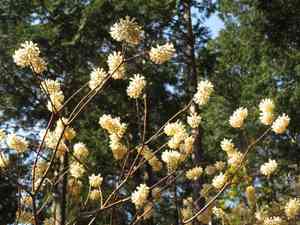
Golden-yellow tubular flowers, 0.6-1 inch (1.5-2.5 cm) long, bloom in late winter to early spring.
2
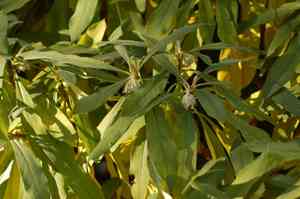
Lance-shaped leaves, 3-5 inches (7.5-12.5 cm) long, turn rich yellow in autumn.
3
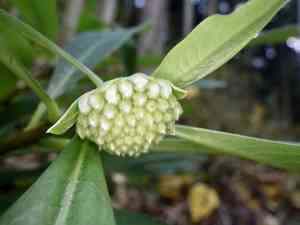
Tiny tubular flowers lack petals, forming dense umbels of 40 golden yellow blooms.
4
Dry drupe fruits are spherical, 0.4 inches (1 cm) in diameter, clustering together.
5
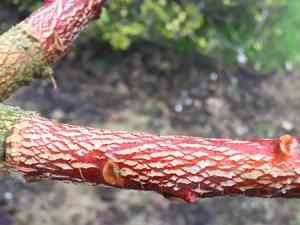
Brown stems, 0.2-0.4 inches (0.5-1 cm) thick, display prominent lenticels for gas exchange.

Scientific Classification of Paperbush

Phylum
Vascular plants
Class
Dicotyledons
Order
Mallows, rock-roses, and allies
Family
Mezereum
Genus
Paper bush
Species
Paperbush

Planting and Growing of Paperbush

Care Difficulty
Moderate
Watering Schedule
Every 2 days
Sunlight Requirements
Partial sun
Sunshine Duration
6-12 hours
Ideal Temperature
50-77℉
Soil Type
Potting Mix, Peat Mix
Soil pH
5.5-7
Fertilizer Type
Balanced
Pruning Season
Spring, Summer
Pruning Area
Branches, Leaves
Pruning Frequency
2 times a year
Repotting Season
Spring
Pot Type
Ceramic, Plastic

water icon How to Water Paperbush?

For Edgeworthia chrysantha, aim to keep the soil consistently moist but not soggy. Water thoroughly until you see some drainage coming out of the bottom of the pot. This indicates that the soil has absorbed sufficient water without being waterlogged.
What are the symptoms of an underwatered Paperbush?
What should I do if my Paperbush is not getting enough water?
What are the symptoms of an overwatered Paperbush?
How to save an overwatered Paperbush?

sunlight icon What Are the Sunlight Requirements for Paperbush?

Sunlight Requirements: Partial sun
Duration of light: Four to six hours
Edgeworthia chrysantha prefers partial sun, thriving best with filtered sunlight, which promotes vigorous growth and enhances blooming cycles. The partial light environment reduces stressors such as heat, fostering a healthier plant lifecycle.
Optimal Seasonal Lighting
Light Filtering Solutions
Benefits of Proper Lighting
More About Sunlight Requirements Techniques

temperature icon What Is the Ideal Temperature Range for Paperbush?

Ideal Temperature: 50 ~ 77℉
Edgeworthia chrysantha thrives in an ideal temperature range of 50°F to 77°F. Within this bracket, the plant can perform its physiological processes optimally, ensuring healthy growth and blooming. When maintained in this favorable climate, the shrub will produce abundant and fragrant winter blooms.

soil icon What Soil is Best for Paperbush?

Soil type: Loam, Sandy loam
Soil PH: 5.5 ~ 7
Edgeworthia chrysantha thrives in well-drained soil because it prevents root rot and other moisture-related issues. The drainage allows excess water to escape, ensuring that the roots don’t become waterlogged while still retaining sufficient moisture for the plant’s needs. This plant benefits from moderately fertile soil which provides the necessary nutrients for robust growth. Fertility supports healthy leaf production and vibrant blooms, enhancing the overall decorative appeal of the shrub. Although drainage is important, Edgeworthia also needs soil that holds some moisture to support its growth during dry periods. Moisture retention helps sustain the plant without constant watering, making it less susceptible to drought stress.

fertilize icon How to Fertilize Paperbush?

Fertilizer type: Balanced
When fertilizing Edgeworthia chrysantha, it is important to use a balanced, water-soluble fertilizer at half the recommended strength for liquid fertilizers. For slow-release fertilizers, use the amount recommended on the packaging for medium-sized shrubs, taking care not to overfeed.

prune icon How to Prune Paperbush?

Pruning Time: Autumn, Winter
Begin by assessing the plant and identifying any dead or diseased wood. Cut these back to the nearest healthy node to encourage stronger growth. Use clean, sharp tools to make each cut clean and precise, helping the plant to heal effectively. Shape the Edgeworthia chrysantha by selectively pruning branches that disrupt the plant's natural form. Focus on maintaining an open center for better air circulation and light penetration, supporting healthier growth. This practice helps prevent mold and mildew problems. Prune back to outward-facing buds to stimulate new growth and better flowering. This technique encourages the buds to grow in a desirable direction, promoting a fuller, more attractive plant. Pay attention to the overall symmetry and balance as you prune. More About Pruning Techniques

propagate icon How to Propagate Paperbush plant?

Propagate Time: Spring, Early summer, Late winter
1
Select healthy stems from the parent plant and make clean cuts. Each cutting should be about 10-15 cm long with a few leaves attached. Remove leaves from the lower half to allow for easy planting.
2
Dip the cut end of each cutting into rooting hormone to enhance the probability of successful rooting. Make sure to cover the base thoroughly before planting it in the chosen medium.
3
Prepare a potting mix that retains moisture yet is well-draining. Plant the treated cuttings into this medium, ensuring that at least half of the cutting is submerged. Water lightly and cover with a plastic bag to maintain humidity.
More About Propagating Techniques

repot icon How to Repot Paperbush plant?

Repotting frequency: Every 2-3 years
1
You should consider repotting your Edgeworthia chrysantha when you observe roots crawling out of the pot’s drainage holes or if the soil seems compacted. Wilting leaves and reduced growth are also signals that it's time for a new home.
2
Select a pot that's about 2 inches larger in diameter than the current one and has proper drainage holes. A slightly larger pot provides enough room for root development, preventing overcrowding while ensuring adequate water runoff, which is crucial for preventing root rot.
3
Opt for a well-draining, loamy soil mix that mimics the plant's natural habitat. This type of soil holds essential nutrients yet allows excess water to escape easily, reducing the risk of waterlogged roots which can be detrimental to the plant’s health.

ForwardPlant - Identify plants with a snap

Find the best spots for them to optimize their health, simply using your phone.

Try for Free

Toxicity of Paperbush

Is Paperbush toxic to cat?

Paperbush has been recognized to possess a mild toxicity level for cats. If consumed in significant quantities, every part of the paperbush can prove to be harmful. Ingestion of paperbush may lead to cats showing signs of physical discomfort or illness. Cat owners should remain watchful and ensure their pets do not access any part of the paperbush. If a cat is believed to have ingested paperbush, it is crucial to obtain prompt veterinary assistance to tackle any possible health concerns that could stem from the toxicity.

Is Paperbush toxic to dog?

The plant species known as paperbush is categorized as exhibiting mild toxicity towards dogs. If dogs consume this plant in significant quantities, they may experience poisoning. Every part of the paperbush is deemed toxic, indicating that ingesting any part of the plant has the potential to cause poisoning. Symptoms that may manifest after a dog consumes paperbush include gastrointestinal distress, vomiting, and diarrhea. It is essential for pet owners to closely observe their dogs and restrict access to paperbush, particularly since dogs may be drawn to chew on its various parts. Should a dog ingest paperbush, it is vital to seek prompt veterinary assistance to guarantee adequate treatment and management of any arising symptoms.

Identify toxic plants for your safety

Learn which plants are harmful to you and your pets, and make informed choices for a safer home!

Try for Free
WARNING
The judgment on toxicity and danger is for reference only. We DO NOT GUARANTEE any accuracy of such judgment. Therefore, you SHALL NOT rely on such judgment. It is IMPORTANT TO SEEK PROFESSIONAL ADVICE in advance when necessary.
More About Toxic Techniques