How to Transplant Blacksamson echinacea?
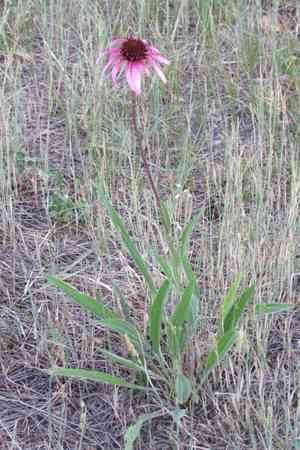
The most favorable time to move blacksamson echinacea is as spring commences, offering an upcoming period for growth. Select locations that receive ample direct sunlight and possess soil that drains effectively. If blacksamson echinacea requires revitalization, a careful separation of its roots during the transplanting process can be advantageous.
What Preparations are Needed Before Transplanting Blacksamson Echinacea?
What is the Ideal Time for Transplanting Blacksamson Echinacea?
The optimal period to relocate blacksamson echinacea is at the onset of spring or shortly thereafter. This timeframe provides blacksamson echinacea with moderate temperatures, promoting robust root development before the summer heat intensifies. Moving blacksamson echinacea during this window supports its growth cycle, ensuring the plant flourishes throughout the upcoming growing season.
How Much Space Should You Leave Between Blacksamson Echinacea Plants?
Maintain adequate separation when positioning your blacksamson echinacea. Ideally, aim for a distance of approximately 1-2 feet (30.5-61 cm) between each specimen. This spacing encourages healthy development and prevents overcrowding.
What is the Best Soil Mix for Blacksamson Echinacea Transplanting?
Your blacksamson echinacea will benefit from soil that drains effectively, preferably loamy or sandy. Regarding fertilization, organic compost or a slow-release granular feed is most effective. Remember to blend it thoroughly before settling the plants.
Where Should You Relocate Your Blacksamson Echinacea?
Consider the sun's position. Blacksamson echinacea thrives in sunlight and requires about 6 hours of direct sun daily. A location receiving morning sun and afternoon shade would be perfect for your new addition. Happy Gardening!
What Equipments Should You Prepare Before Transplantation Blacksamson Echinacea?
Gardening Gloves
To safeguard your hands while handling soil and the coarse stems of blacksamson echinacea.
Shovel or Garden Spade
For excavating the blacksamson echinacea plant from its original spot and creating a hole in the new planting area.
Trowel
To assist in relocating smaller or younger blacksamson echinacea plants.
Watering Can or Hose
For hydrating your blacksamson echinacea plant both before and after its relocation.
Pruning Shears
To remove any dead or damaged portions of the blacksamson echinacea.
How Do You Remove Blacksamson Echinacea from the Soil?
How Do You Remove Blacksamson Echinacea from the Soil?
From Ground: First, thoroughly water your blacksamson echinacea plant to moisten the soil, making it easier to work with. Then, carefully dig around the plant using a spade or shovel, ensuring the root ball remains intact. After loosening the soil, gently lift the blacksamson echinacea plant from its spot.From Pot: Initially, water your blacksamson echinacea plant in its container. Turn the pot on its side, gently hold the base of the plant, and lightly pull. If it resists, tap the pot's bottom or push it out through the drainage hole.From Seedling Tray: Water the blacksamson echinacea seedlings and allow them to drain completely. Using a small trowel or your fingers, carefully lift each seedling by a leaf, avoiding the stem or roots, then gently separate any tangled roots.
Step-by-Step Guide for Transplanting Blacksamson Echinacea
Preparing New Site
Excavate a hole that is at least twice the width of the blacksamson echinacea plant's root ball and equivalent in depth to its root system.
Setting the Plant
Position the blacksamson echinacea plant in the hole, ensuring the top of the root ball is level with the surrounding ground.
Filling the Hole
Backfill the hole with soil, gently firming it around the base of the blacksamson echinacea plant.
Watering
Water thoroughly after planting to settle the soil around the roots and help minimize transplant shock.
Mulching
Apply a layer of mulch around the plant's base; this will help retain moisture and suppress weed growth.
How Do You Care For Blacksamson Echinacea After Transplanting?
Watering
Maintain consistent moisture levels around the blacksamson echinacea plant's base for the initial few weeks post-transplant, then adjust to a regular watering schedule.
Trimming
After one week, prune any wilting or dead foliage from the blacksamson echinacea. This promotes new growth and helps the plant direct energy towards root development.
Protection
Depending on your local climate, consider providing temporary shade for the blacksamson echinacea plant to aid its adjustment to the new location.
Monitoring
Watch for signs of stress in your blacksamson echinacea plant, such as yellowing leaves or stunted growth. This could indicate disease or poor adaptation to the new site.
Troubleshooting Common Issues with Blacksamson Echinacea Transplantation.
When's the most ideal time to transplant blacksamson echinacea?
The best time to transplant blacksamson echinacea is from early spring to mid-summer, often referred to as the 'S1-S2' season.
What spacing should I keep between blacksamson echinacea plants when transplanting?
For optimal growth, ensure a distance of 1-2 feet (30-60 cm) between each blacksamson echinacea. This provides ample space for each plant to thrive.
What size should the hole be when transplanting blacksamson echinacea?
The hole should be twice as wide and as deep as the blacksamson echinacea's root ball. This allows sufficient room for root expansion and growth.
Should I water blacksamson echinacea immediately after transplanting?
Absolutely! Water the blacksamson echinacea generously right after transplanting. Additionally, keep the soil moist but not waterlogged during the first few weeks.
What could be wrong if my transplanted blacksamson echinacea look wilted?
Wilting after transplanting might be due to transplant shock; keep the plant consistently hydrated. If wilting persists, the plant could be receiving too much or too little sunlight.
What kind of soil does blacksamson echinacea prefer during transplantation?
Blacksamson echinacea thrives in well-draining soil, rich in organic matter. If your garden soil is heavy clay or sand, consider amending it with compost.
How to ensure successful root establishment of blacksamson echinacea post-transplant?
Deep watering encourages new roots to grow deep into the soil. Using a root hormone before transplanting can also aid root development and lessen transplant shock.
Any special aftercare required for blacksamson echinacea post-transplant?
For the initial couple of weeks, daily monitor the plant for signs of transplant shock, and water as necessary. After this period, blacksamson echinacea generally requires minimal care.
What if my transplanted blacksamson echinacea are not flowering?
This could be due to insufficient sunlight or nutrients. Ensure your blacksamson echinacea receives at least 6 hours of sunlight daily and consider a slow-release fertilizer.
How deep should I plant the blacksamson echinacea during transplanting?
Plant the blacksamson echinacea at the same depth it was growing in its previous location. Planting too deeply or too shallowly can stress the plant.



