How to Transplant Spoonleaf sundew?
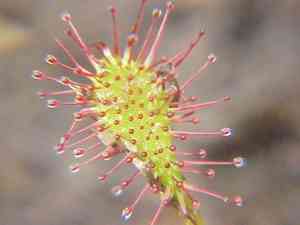
For spoonleaf sundew, the ideal period for repotting occurs from mid to late spring, aligning with its active growth phase. Select a bright, marshy spot that replicates its native environment. Careful manipulation is crucial to safeguard its fragile roots and leaves.
Essential Preparations Before Relocating Spoonleaf Sundew
Optimal Timing for Transplanting Spoonleaf Sundew?
The best period to move spoonleaf sundew is in mid-spring. During this time, the soil gradually warms, and mild weather promotes strong root development. Moving spoonleaf sundew to new soil now will result in vigorous growth and better adaptation. Embrace this season; it benefits both you and spoonleaf sundew!
Recommended Spacing Between Spoonleaf Sundew Plants?
For spoonleaf sundew, ensure each plant is spaced approximately 3-5 inches (7.5-12.7 cm) apart. This provides ample room for their leaves and roots to expand without competing for nutrients or sunlight. It's an excellent start for creating an attractive garden.
Ideal Soil Mixture for Spoonleaf Sundew Transplanting?
Prepare the planting site for spoonleaf sundew using a blend of peat moss and sand. Incorporate a balanced, slow-release fertilizer at the bottom before planting. This offers robust support, ensuring a smooth transition for growth.
Where to Replant Your Spoonleaf Sundew?
Location is crucial! Spoonleaf sundew thrives in partially shaded spots. An area receiving filtered sunlight, especially morning sun, is the best option. This allows the plants to flourish without scorching. Best of luck with your gardening endeavors.
Tools Required Before Transplanting Spoonleaf Sundew?
Gardening Gloves
These will safeguard your hands while working with soil and handling spoonleaf sundew.
Shovel
This tool is necessary for excavating holes in the ground.
Hand Pruner
Used for clearing any surrounding vegetation or trimming the plant's roots if needed.
Watering Can
To supply the essential moisture for the plant both before and after relocation.
Gardening Trowel
Useful for extracting the plant from its current growing environment, especially if it's in a pot or seedling tray.
Transplanting Spade
This implement is designed for digging up and lifting plants with a narrow, deep penetration.
Wheelbarrow, if available
To move the plant and soil around your garden without straining your back.
How to Extract Spoonleaf Sundew from its Growing Medium?
How to Extract Spoonleaf Sundew from its Growing Medium?
From Ground: First, lightly water the spoonleaf sundew plant to moisten the soil. Using your shovel, begin digging a wide trench around the plant, being careful not to harm the root ball. The wide trench aims to capture as many fibrous roots as possible. Once you're sure the soil is sufficiently loose, carefully slide your gardening trowel under the root ball and gently lift the plant from the ground.From Pot: Start by lightly watering the spoonleaf sundew plant; this helps keep the root mass intact. Turn the pot sideways, hold the plant gently by its stems or leaves, and tap the bottom of the container until the plant slides out. Gently loosen the root ball with your fingers.From Seedling Tray: First, water the spoonleaf sundew plant. Gently hold the seedling by its leaves if present, but avoid damaging the stem. Use a gardening trowel to loosen the soil around the cell or cube. Gently lift the plant while supporting its root ball.
Detailed Steps for Transplanting Spoonleaf Sundew
Watering
Thoroughly water the spoonleaf sundew plant. This will facilitate easier removal and help minimize transplant shock. Water the plant well after transplanting to ensure the soil settles and to aid in its establishment in the new location.
Digging
Use your shovel to excavate a hole at the transplanting site. The hole should be twice as wide and the same depth as the plant's root ball.
Placement
Position the plant into the hole, ensuring it sits at the same depth as it was in its original spot. Planting it deeper could lead to rot and hinder the plant's health.
Backfilling
Refill the hole with soil, firming it around the root ball. Be careful not to bury the plant's crown where the stem meets the roots.
Post-Transplant Care for Spoonleaf Sundew
Watering Frequency
Water the spoonleaf sundew thoroughly immediately after transplanting, but then reduce watering and allow the root zone to dry out before re-watering. Remember, waterlogged soil can cause root rot.
Pruning
Remove any dead or damaged leaves and shoots from the spoonleaf sundew plant. This allows the plant to direct its energy towards establishing new roots in the new location instead of maintaining unnecessary foliage.
Protection
If transplanting during warm seasons, shield the spoonleaf sundew from harsh direct sunlight for a few days post-transplant. Similarly, protect the plant from frost if transplanting occurs in cooler seasons.
Monitoring
Closely observe the spoonleaf sundew. Some wilting after transplanting is normal, but if the plant appears severely stressed or doesn't recover after a couple of weeks, additional care may be necessary.
Addressing Common Issues with Spoonleaf Sundew Transplantation.
When is the optimal time to transplant spoonleaf sundew?
The most favorable time to transplant spoonleaf sundew is during its second to third growing season (S2-S3). At this stage, the plant is most robust and prepared for a change in environment.
What is the ideal spacing when transplanting spoonleaf sundew?
Spoonleaf sundew requires adequate room to grow. Aim for a distance of 3-5 inches (7.6-12.7 cm) between each plant. This ensures each plant has sufficient space for root and leaf expansion.
How deep should the planting hole be for spoonleaf sundew?
The planting hole for spoonleaf sundew should be deep enough to securely accommodate the root ball, typically around 2-3 inches (5-7.6 cm). This depth encourages healthy root development.
What should I do if spoonleaf sundew wilts after transplanting?
Don't be concerned! Some leaf wilting is a direct result of transplant stress. Maintain consistent watering, and the plant should recover within one to two weeks. If not, re-evaluate your watering and light conditions.
What type of soil does spoonleaf sundew prefer when transplanting?
Spoonleaf sundew favors well-draining, slightly acidic to neutral soil with a pH of 6-7. It thrives in soil rich in organic matter that retains moisture without becoming waterlogged.
How often should I water spoonleaf sundew after transplanting?
After transplanting spoonleaf sundew, keep the soil consistently moist. Avoid overwatering, which can lead to root rot. The plant's water needs may increase as it establishes.
What kind of sunlight exposure is best for spoonleaf sundew after transplanting?
Spoonleaf sundew benefits from a good balance of light and shade. Intense, direct sunlight can stress the plant. Choose a spot with partial sun to light shade exposure.
What should I do if spoonleaf sundew isn't growing after transplanting?
Patience is crucial. Spoonleaf sundew may experience 'transplant shock,' appearing stagnant or even wilting initially. If no growth is observed after a few weeks, review your care routine.
What temperature is ideal for spoonleaf sundew after transplanting?
Spoonleaf sundew prefers a moderately warm climate. Aim to keep it in an area where temperatures range between 60-75°F (15.5-24°C). Frost conditions can harm the plant.
How to handle several spoonleaf sundew seedlings when transplanting?
Handle with care! If seedlings are too close, gently separate them. Transplant each into its own hole, maintaining the recommended 3-5 inches (7.6-12.7 cm) spacing.



