How to Transplant Isu tree?
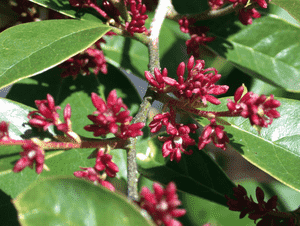
The most favorable period for relocating an isu tree is from the close of spring into the beginning of summer, which provides warmer ground and extended daylight hours. Select a location featuring soil that drains effectively and offers partial shade. Should it be necessary, enhance the area with compost to foster robust growth.
What Preparations are Needed Before Transplanting Isu Tree?
What is the Ideal Time for Transplanting Isu Tree?
The transition from late spring to early summer is the prime period for relocating isu tree. During this time, the soil is sufficiently warm to promote strong root development, and the milder temperatures allow isu tree to acclimate without the intense heat of mid-summer. Moving isu tree in this season leverages its natural growth cycle, establishing a solid foundation for future prosperity. Moderate weather conditions at this stage are crucial for isu tree's successful adaptation to its new environment.
How Much Space Should You Leave Between Isu Tree Plants?
Begin by preparing the designated area for isu tree. Remember to provide ample spacing between each plant, approximately 1.5-2 meters (roughly 5-6 feet) apart. This ensures they have sufficient room to develop and flourish without overcrowding.
What is the Best Soil Mix for Isu Tree Transplanting?
For isu tree, thorough soil preparation is vital. This plant thrives in well-draining soil. Enhance the ground by incorporating a well-decomposed base fertilizer or compost. This will boost the soil's nutrient content and encourage vigorous growth.
Where Should You Relocate Your Isu Tree?
When selecting a new site for your isu tree, choose a location that receives abundant sunlight. These plants prefer bright conditions, so ensure they will get a good amount of sun throughout the day, though they can also tolerate partial shade.
What Equipments Should You Prepare Before Transplantation Isu Tree?
Gardening Gloves
To safeguard your hands while working with soil and isu tree during the relocation process.
Shovel or Spade
Useful for excavating a hole in the ground and extracting the isu tree from its initial spot.
Watering Can
For hydrating the plant during and after the transplanting procedure.
Gardening Trowel
To assist in digging and loosening the soil around the isu tree roots if it's in a container or seedling tray.
Wheelbarrow
To safely move the isu tree to its new position (especially if the plant is large).
Mulch
This is applied around the base of the isu tree post-transplant to help retain soil moisture and suppress weed growth.
How Do You Remove Isu Tree from the Soil?
How Do You Remove Isu Tree from the Soil?
From Ground: If isu tree is planted in the ground, use a shovel to dig a trench around the plant's base. Ensure the trench is wide enough to encompass the entire root system. Once a sufficient gap is created, carefully lift the plant, keeping the root ball intact.From Pot: If isu tree is in a pot, water it thoroughly before transplanting. Invert the pot and gently tap the bottom to help the plant slide out, while supporting the top of the soil.From a Seedling Tray: If the isu tree is in a tray, use a trowel to carefully extract each seedling. Be sure to dig deep enough to keep the roots undisturbed. Handle seedlings by their leaves, not their stems or roots.
Step-by-Step Guide for Transplanting Isu Tree
Digging
Once you've selected the site, begin by digging a hole that is twice as wide and the same depth as the isu tree's root ball. This provides ample space for its roots to spread.
Placing
Position the isu tree in the hole. Ensure it's not planted too deeply or too shallowly; the top of the root ball should be level with the soil surface.
Filling
Gradually backfill the hole with the excavated soil, making sure the isu tree remains upright and its roots are well covered. Avoid compacting the soil to allow for freer root growth.
Watering
Water the isu tree thoroughly after planting to settle the soil around the roots. However, be careful not to overwater, as this can lead to root rot.
Mulching
Finally, spread a layer of mulch around the base of the isu tree. This will help conserve soil moisture and prevent weed growth.
How Do You Care For Isu Tree After Transplanting?
Watering
Maintain consistent soil moisture, but avoid excessive watering to prevent root rot. Use a watering can to gently hydrate the isu tree without disturbing the soil.
Pruning
Remove any dead or dying foliage to help the plant direct its energy towards new growth, but refrain from extensive pruning immediately after transplanting, as the plant needs leaves for photosynthesis.
Observing
Closely monitor the isu tree's progress. If you notice any signs of distress, such as wilting or yellowing leaves, adjust its care as needed.
Troubleshooting Common Issues with Isu Tree Transplantation.
When is the best time to transplant my isu tree?
The optimal period to relocate your isu tree is during the S3-S4 season, a time when the plant typically experiences less stress.
What should be the spacing between my isu tree plants?
For ideal growth, your isu tree plants should be spaced approximately 1.5-2 meters (4.9-6.5 feet) apart.
Why are the leaves of my transplanted isu tree turning yellow?
This could indicate water stress. After transplanting, isu tree requires consistent watering, but ensure the soil drains well to prevent waterlogging.
My isu tree appears wilted after transplantation, what should I do?
Do not be concerned! Simply ensure isu tree receives adequate water and shade. Plants sometimes wilt as they adapt to their new surroundings.
What type of soil is best for isu tree transplantation?
Isu tree thrives in well-draining, fertile soil rich in organic matter. A slightly acidic pH is also acceptable.
How do I prepare the transplantation hole for my isu tree?
Dig a hole that is twice as wide and the same depth as the root ball of your isu tree. This provides ample room for the roots to expand.
My isu tree isn't growing after transplantation, why?
Transplanted isu tree may require some time to establish itself in its new location. Regular watering and fertilization can help stimulate growth.
Is it necessary to stake the isu tree after transplanting?
Staking can help stabilize the isu tree in windy conditions. However, do not tie it too tightly; allow some movement for the stem to strengthen.
How deep should I plant isu tree during transplantation?
The isu tree should be planted at the same depth it was in its original spot. This ensures the roots receive appropriate oxygen levels.
What should I do if roots of my isu tree are circling around?
Attempt to gently straighten them. If they are too rigid, make several vertical cuts to encourage new root growth outwards.



