How to Transplant Sticky monkey-flower?
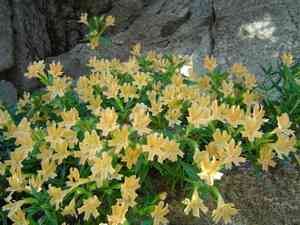
The most favorable period for relocating sticky monkey-flower is from late spring to early summer, utilizing consistent weather conditions for root development. Select a site offering full sun to partial shade with soil that drains effectively to foster robust growth. Exercising extreme care is crucial to safeguard fragile roots.
What Preparations are Needed Before Transplanting Sticky Monkey-flower?
What is the Ideal Time for Transplanting Sticky Monkey-flower?
The optimal period for moving sticky monkey-flower is the beginning of early summer, a perfect time as warmth promotes root development without the stress of intense midsummer heat. Relocating sticky monkey-flower then allows the plant to flourish, encouraging robust root establishment for the upcoming season. Your sticky monkey-flower will benefit from this timing, ensuring vigorous and abundant blooms, as the mild soil of this season provides an excellent environment for new growth.
How Much Space Should You Leave Between Sticky Monkey-flower Plants?
For your sticky monkey-flower, remember to provide ample room for their expansion. Ideally, they should be spaced approximately 2-3 feet (60-90 cm) apart. This spacing will ensure each plant has sufficient area to thrive!
What is the Best Soil Mix for Sticky Monkey-flower Transplanting?
The sticky monkey-flower prefers soil that drains well, such as sandy or loamy types. Before planting, enrich the soil base with some organic compost. This nutrient-rich foundation will supply all the necessary elements for your young plants to flourish.
Where Should You Relocate Your Sticky Monkey-flower?
The perfect sunny spot for sticky monkey-flower is where it will receive full sun or partial shade. It's a sun-loving plant and performs well with about six hours of sunlight daily. Locate just the right bright position!
What Equipments Should You Prepare Before Transplantation Sticky Monkey-flower?
Gardening Gloves
To safeguard your hands when working with soil and the sticky monkey-flower plant.
Shovel and Trowel
A shovel for digging transplant holes, while a trowel is for extracting the plant from its original spot; both tools are essential, regardless of the plant's initial location, helping to preserve the root ball's integrity.
Pruning Shears
To trim the sticky monkey-flower plant if necessary prior to transplanting.
Watering Can
To hydrate both the initial and new planting sites to facilitate easier digging and to maintain moisture levels before and after transplanting.
Wheelbarrow (Optional)
If you're moving the plant from one ground location to another, a wheelbarrow assists in transporting it, especially if the sticky monkey-flower is already large.
Mulch (Optional)
To shield the plant from potential shock post-transplant, helps retain moisture and encourage growth.
How Do You Remove Sticky Monkey-flower from the Soil?
How Do You Remove Sticky Monkey-flower from the Soil?
From Ground: Begin by thoroughly watering the sticky monkey-flower plant to loosen the soil. Using your shovel, start digging a wide circle around the plant to ensure the entire root ball is included. Gently work the shovel beneath the root ball, lifting carefully to avoid damaging the roots or stem. You might use a wheelbarrow to move the plant if necessary.From Pot: Ensure the soil and plant are well-hydrated before starting. Turn the pot on its side, hold the sticky monkey-flower plant gently by its base, and tap the pot's rim against a firm surface. This helps the plant slide out with minimal resistance. If the plant doesn't come out easily, try using a trowel to loosen the soil around the edges inside the pot first.From Seedling Tray: Water the tray thoroughly before transplanting. Use a trowel to carefully remove each individual sticky monkey-flower seedling, making sure as much soil as possible remains around the roots.
Step-by-Step Guide for Transplanting Sticky Monkey-flower
Preparing Transplant Hole
Start by digging a hole in the ground that is twice as wide and the same depth as the root ball of your sticky monkey-flower plant. The plant's crown should be level with or slightly above the soil surface once it is planted.
Placing the Plant
Gently position the sticky monkey-flower plant into the hole, taking care to spread its roots out.
Filling the Hole
Gradually backfill the hole with soil, lightly patting around the base of the sticky monkey-flower plant to eliminate air pockets.
Watering
Water the plant thoroughly immediately after transplanting.
Adding Mulch
Optionally, apply mulch around the plant's base. This helps to conserve moisture and suppress weed growth once your sticky monkey-flower is planted.
How Do You Care For Sticky Monkey-flower After Transplanting?
Mulch Layers
If applied, check the mulch layer periodically and replenish it as needed. Mulch assists in water retention and weed suppression, both vital in the initial stages after transplanting.
Watering
Water the sticky monkey-flower regularly, keeping the soil moist but not saturated.
Inspecting
Monitor your sticky monkey-flower closely in the weeks following the transplant. Look for indications of transplant shock such as yellowing or wilting leaves. If these signs appear, ensure you are not over-watering the plant and it is not receiving excessive sunlight. Adjust conditions accordingly.
Troubleshooting Common Issues with Sticky Monkey-flower Transplantation.
When is the best time to transplant sticky monkey-flower?
Late summer to early fall (S3-S4) is the ideal period to transplant sticky monkey-flower. Cooler temperatures and less intense sun will minimize transplant shock and help the plant thrive.
What is the ideal spacing for sticky monkey-flower?
For optimal growth, sticky monkey-flower requires adequate personal space. Aim to plant your sticky monkey-flower approximately 2-3 feet (60-90 cm) apart.
How do I prepare the soil for transplanting sticky monkey-flower?
First, select a well-draining area. Then, enrich the soil with compost before planting. Sticky monkey-flower must have good drainage to prevent root rot.
What kind of sunlight exposure does sticky monkey-flower prefer?
Sticky monkey-flower enjoys basking in full sun or partial shade. Ensure it receives sufficient daily sunlight for improved growth and flowering.
How deep should I plant sticky monkey-flower during transplantation?
Do not plant sticky monkey-flower too deeply. The top of the root ball should be level with or slightly above the soil surface.
Why are the leaves on my transplanted sticky monkey-flower wilting?
Wilting after transplanting is a common symptom of transplant shock. Reduce direct sunlight exposure, keep the soil consistently moist, but avoid overwatering.
How often should I water sticky monkey-flower after transplant?
Ensure to water sticky monkey-flower thoroughly after transplanting. Afterward, keep the soil moist but never waterlogged. Excessive watering can lead to root problems.
Should I fertilize sticky monkey-flower after transplanting?
A light application of a slow-release, balanced fertilizer can boost sticky monkey-flower's growth after transplantation. Remember not to over-fertilize as it may harm the roots.
How do I deal with pests or diseases after transplanting sticky monkey-flower?
Regular checks for pests/disease are essential. If detected, use appropriate organic pesticide or fungicide. Removing affected foliage can also help manage the issue.
Can I transplant sticky monkey-flower into a container?
Absolutely! Sticky monkey-flower is suitable for container gardening. Use a well-draining pot filled with sandy, gritty compost. Ensure the container is large enough to support its growth.



