How to Transplant Venus flytrap?
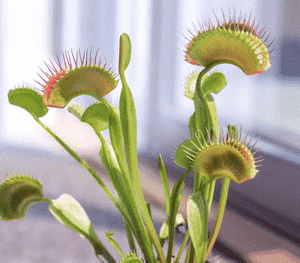
Relocate venus flytrap during the revitalizing phase of early to mid-spring for peak development. Select a site offering adequate moisture, illumination, and impoverished soil. Gently manage the fragile root system during the transfer and sustain moist substrate conditions to guarantee a flourishing venus flytrap.
What Preparations are Needed Before Transplanting Venus Flytrap?
What is the Ideal Time for Transplanting Venus Flytrap?
The optimal period for relocating venus flytrap spans from early spring's awakening to just prior to its mid-season peak. This prime transplanting window offers several advantages; it allows venus flytrap to establish robust roots before the summer heat, and provides ample time for consistent growth and development. By following this guidance, you can ensure venus flytrap receives the best possible start, helping it flourish in its new setting. As always, remember to remain patient and nurturing; your venus flytrap will undoubtedly reward you with its progress.
How Much Space Should You Leave Between Venus Flytrap Plants?
When moving your venus flytrap, ensure they have sufficient room to spread their leaves and capture insects. Position them approximately 4-6 inches (10-15 cm) apart to foster a healthy growing environment.
What is the Best Soil Mix for Venus Flytrap Transplanting?
Your venus flytrap will thrive in acidic, nutrient-deficient soil with a pH ranging from 3.5-4.5. Utilize a blend of peat moss and sand (1:1) or long-fiber sphagnum moss as the soil foundation. Refrain from using fertilizers, as they can be detrimental to the plant.
Where Should You Relocate Your Venus Flytrap?
Place your venus flytrap in a location that receives at least 4-6 hours of direct sunlight daily. Bright spots near windowsills or in a sunny garden area are perfect for your small insect-eaters.
What Equipments Should You Prepare Before Transplantation Venus Flytrap?
Gardening Gloves
To safeguard your hands while handling soil and the venus flytrap plant.
Shovel or Spade
To excavate trenches and create planting depressions for the venus flytrap.
Garden Trowel
For enhanced precision when digging and working around the venus flytrap's root system.
Pruning Shears
To remove any dead or damaged foliage before the transplanting process.
Watering Can or Hose
To hydrate the venus flytrap both before and after its relocation.
Soil Amendment (Peat Moss or Compost)
To enhance soil structure and boost moisture retention for the venus flytrap plant.
Garden Fork
To loosen the soil at the intended new planting site.
How Do You Remove Venus Flytrap from the Soil?
How Do You Remove Venus Flytrap from the Soil?
From Ground: First, water the venus flytrap plant to moisten the soil, facilitating easier removal without root damage. Using a shovel or spade, dig a wide trench around the plant, ensuring the plant's root ball remains intact. Carefully work the spade beneath the root ball to lift the plant from its original spot.From Pot: Gently water the venus flytrap in its container to help loosen the soil and roots. Turn the pot sideways, tap its sides, and carefully slide the venus flytrap out, keeping the root ball whole. Once extracted, gently massage the root ball to loosen any compacted roots.From Seedling Tray: Lightly water the venus flytrap seedlings to dampen the soil. Use a garden trowel or your fingers to carefully loosen the soil around the base of the venus flytrap seedling. Gently lift the seedling from the tray, taking care not to harm the delicate roots.
Step-by-Step Guide for Transplanting Venus Flytrap
New Planting Hole
Excavate a hole in the new location that is roughly twice as wide and equal in depth to the venus flytrap's root ball using a shovel or spade.
Soil Preparation
Loosen the soil at the base of the hole with a garden fork. Incorporate a soil amendment, such as peat moss or compost, to improve soil structure and moisture retention.
Plant Placement
Gently lower the venus flytrap plant into the hole, positioning it at the same soil level as before, ensuring the top of the root ball is flush with the surrounding soil.
Backfilling
Carefully refill the hole with the excavated soil, gently firming it around the root ball to eliminate air pockets and provide stability for the venus flytrap plant.
Initial Watering
Thoroughly water the venus flytrap plant with a watering can or hose, ensuring that the root ball and surrounding soil are uniformly moistened.
Foliage Pruning
Use pruning shears to remove any dead or damaged leaves from the venus flytrap to encourage new growth.
How Do You Care For Venus Flytrap After Transplanting?
Watering Frequency
Water the venus flytrap plant regularly to maintain consistently moist but not waterlogged soil, especially during the initial weeks post-transplant to establish strong roots.
Pruning and Deadheading
Periodically trim off dead or unhealthy leaves using pruning shears to promote vigorous growth and maintain the venus flytrap's appearance.
Feeding
Once the venus flytrap plant is established, consider providing supplementary nutrients every few months with a balanced, slow-release fertilizer or natural compost, always adhering to manufacturer guidelines.
Pest Management
Monitor for aphids, spider mites, and other pests that might target the venus flytrap plant, and implement appropriate pest-control measures as needed.
Dormancy Care
The venus flytrap plant enters dormancy during colder months, reducing its need for water and food. Adjust your care accordingly, allowing the soil to dry slightly and decreasing or eliminating feeding during this period.
Troubleshooting Common Issues with Venus Flytrap Transplantation.
When should I transplant my venus flytrap plant?
Transplanting venus flytrap is best done during the refreshing period of early to mid-spring.
What is the ideal spacing for venus flytrap when transplanting?
Venus flytrap plants will thrive with ample room. Ideally, each plant should be 4-6 inches (10-15 cm) apart.
Why is my newly transplanted venus flytrap drooping?
Venus flytrap often experiences transplant shock. Keep the soil moist but avoid saturation. It should recover within a week.
How deep should I plant venus flytrap seedlings when transplanting?
Ensure the root ball of venus flytrap is fully covered, but the leaves remain above the soil for optimal growth.
Do I need to prune venus flytrap before transplanting?
Pruning is not essential before relocating venus flytrap. However, remove any brown or unhealthy leaves beforehand.
Can venus flytrap be transplanted into a different type of soil?
Venus flytrap prefers acidic, nutrient-poor soil that drains well. A mixture of sphagnum peat moss and sand is effective.
Do I need to wet the soil before transplanting venus flytrap?
Yes, moistening the area before transplanting venus flytrap will ease the transition and help prevent transplant shock.
What's the best way to remove venus flytrap from its original pot?
Gently squeeze and rotate the pot. If the plant doesn't loosen, slide a knife around the pot's edge.
Can I use fertilizers when transplanting venus flytrap?
Avoid using fertilizer as venus flytrap prefers nutrient-poor soil. Rich soil or fertilizer can harm the plant.
What is the ideal temperature for transplanting venus flytrap?
Venus flytrap thrives in moderate temperatures. Aim for a day between 50-80°F (10-27°C) for successful transplantation.



