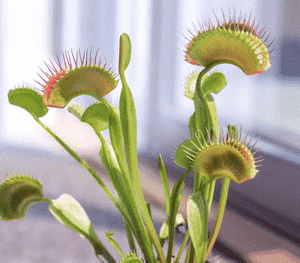
Venus flytrap (Dionaea muscipula)
Also known as: Meadow clams, Tippity twitchet
The Venus flytrap (Dionaea muscipula) is a carnivorous plant known for its ability to capture and digest insects. Its modified leaves form trap-like structures that snap shut when triggered. Named after Venus, the Roman goddess of love, this plant uses a sweet-smelling nectar to attract its prey.
In This Article
Plant Comprehensive Care Guide: Beginner's Introduction and Key Details
Perfect for beginners starting their plant care journey
→
10 Secrets to Making Venus flytrap Grow Faster (A Must-Read for Beginners)
Advanced tips to accelerate your plant's growth
→
Care "Black Tech": 10 Little-Known Highly Effective Maintenance Tips
Expert-level techniques for optimal plant care
→
Attributes of Venus flytrap
Lifespan
Perennial, Annual
Plant Type
Herb
Plant Height
10 cm to 15 cm
Spread
15 cm to 20 cm
Leaf Color
Green Red Yellow Gold
Flower Size
3 cm
Flower Color
White
Images of Venus flytrap
Quickly Identify Venus flytrap
1
Lobed leaves with eyelash-like protrusions, capable of rapid closure for trapping prey.
2
Brightly colored inner leaf surfaces, often red or pink, contrasting with green exterior.
3
White cup-shaped flowers with 5 sepals, 5 petals, and 10-12 stamens in May-June.
4
Dehiscent, green to brown capsules with small black seeds, splitting along three sutures.
5
Low-growing rosette of bristly leaves ending in hinged trap structures, up to 5 inches long.
Scientific Classification of Venus flytrap
Phylum
Vascular plants
Class
Dicotyledons
Order
Pinks, cacti, and allies
Family
Sundew
Genus
Venus flytrap
Species
Venus flytrap
Planting and Growing of Venus flytrap
Care Difficulty
Hard
Watering Schedule
Every 8 days
Sunlight Requirements
Full sun
Sunshine Duration
4-8 hours
Ideal Temperature
70-80℉
Soil Type
Potting Mix, Peat Mix
Soil pH
3.8-5
Fertilizer Type
Balanced
Pruning Season
Spring, Summer
Pruning Area
Branches, Leaves
Pruning Frequency
2 times a year
Repotting Season
Spring
Pot Type
Plastic, Ceramic
 How to Water Venus flytrap?
For the Venus Flytrap, ensure that the soil is consistently damp, but not waterlogged. Usually, 100 milliliters per watering session is ample. The principle is to aim for moist soil without allowing it to dry out completely. This helps mimic its natural swampy habitat, promoting optimal growth.
More About Watering Techniques→
What are the symptoms of an underwatered Venus flytrap?
›
What should I do if my Venus flytrap is not getting enough water?
›
What are the symptoms of an overwatered Venus flytrap?
›
How to save an overwatered Venus flytrap?
›
 What Are the Sunlight Requirements for Venus flytrap?
Dionaea muscipula flourishes best under full sun to partial sun. This optimal light range supports its carnivorous behavior, enables vigorous growth, and maintains vibrant coloration essential for photosynthetic efficiency.
More About Sunlight Requirements Techniques→
What is the ideal amount of sunlight for Dionaea muscipula?
›
How can I ensure that Dionaea muscipula receives its ideal sunlight?
›
Why is proper sunlight important for Dionaea muscipula?
›
 What Is the Ideal Temperature Range for Venus flytrap?
The ideal temperature range for growing Dionaea muscipula, commonly known as the Venus Flytrap, is between 70°F and 80°F. This temperature range provides the plant with the optimal conditions for photosynthesis and growth. At these temperatures, the plant's metabolism is at its most efficient, ensuring healthy development and vibrant coloration.
 What Soil is Best for Venus flytrap?
Dionaea muscipula thrives in soil that retains moisture effectively. Peat soil is ideal because it holds water while maintaining adequate drainage, preventing root rot in this plant. The Venus flytrap needs soil with low pH to mimic its native bog environments. Acidic soil is essential as it facilitates nutrient absorption and simulates its natural habitat conditions. This plant prefers nutrient-poor soils, avoiding mineral buildup. Sandy loam offers a low nutrient medium, reducing the risk of burning roots from excessive nutrients.
More About Soil→
 How to Fertilize Venus flytrap?
For Dionaea muscipula, also known as the Venus flytrap, applying fertilizers should be done with great care due to its nutrient-sensitive nature. When using liquid fertilizers, dilute to 1/4 of the standard recommended strength to avoid any potential damage to the plant. Similarly, solid fertilizers, if used, should be applied sparingly and away from the trap itself.
 How to Prune Venus flytrap?
Start by identifying any blackened or dying traps, these are spent traps and should be carefully snipped off with sterilized scissors to prevent rot and promote new growth. Ensure cuts are clean, avoiding damage to adjacent healthy tissue, and try to cut as close to the base of the trap as possible. This method encourages the plant to direct its energy towards generating new traps, ensuring your Venus flytrap remains robust and healthy.
More About Pruning Techniques→
 How to Propagate Venus flytrap plant?
1
For successful seed propagation, prepare a medium with 50% sphagnum moss and 50% sand. This provides the necessary acidic environment and excellent drainage that mimics their natural habitat, promoting seed germination.
2
Scatter the seeds evenly on the surface of the prepared medium, without covering them with soil. Venus flytrap seeds need light to germinate, so surface sowing ensures they are exposed to sufficient light for sprouting.
3
Cover the seed tray with a transparent lid or plastic wrap to maintain high humidity levels. This creates a mini-greenhouse effect, which is crucial for keeping the seeds moist and facilitating successful germination.
 How to Repot Venus flytrap plant?
1
Dionaea muscipula, commonly known as the Venus flytrap, needs repotting when it has outgrown its pot, usually every 1-2 years. Look for roots poking through drainage holes or a slowdown in growth. Springtime is ideal as it's the growing season, allowing the plant to establish itself quickly in new soil.
2
Select a pot that's a few inches wider than the current one; a clay or plastic pot with drainage holes is ideal. The pot should be deep enough to accommodate the long roots. Selecting the right pot ensures proper drainage and prevents root rot, allowing the Venus flytrap to thrive.
3
Choose acidic, sandy peat moss as it mimics the natural boggy environment of the Venus flytrap. Avoid regular potting soil, which retains too much moisture and lacks the necessary acidity, risking root rot. Proper soil promotes robust growth and effective drainage.



