How to Transplant Weather prophet?
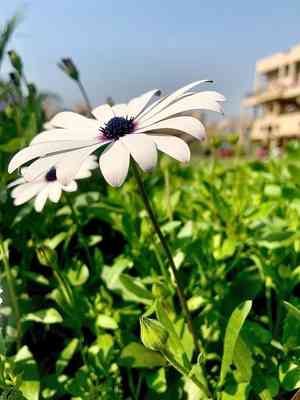
The optimal period for relocating weather prophet is during the pleasant temperatures of early to mid-summer, which offers perfect circumstances for root development. Select a location bathed in sunlight featuring soil that drains effectively. Careful management of the root system during transplantation is advantageous for weather prophet's well-being.
What Preparations are Needed Before Transplanting Weather Prophet?
What is the Ideal Time for Transplanting Weather Prophet?
The optimal period to move weather prophet is during the peak of summer's warmth. This timeframe offers perfect growing conditions, ensuring a smooth transition. Opting for early to mid-summer for relocation allows weather prophet to develop strong roots and benefit from extended daylight, promoting robust growth. The pleasant climate of early to mid-summer gives weather prophet ample opportunity to adapt before colder days arrive. Moving weather prophet during the mild early to mid-summer days is a strategic choice that rewards gardeners with healthy, flourishing blooms.
How Much Space Should You Leave Between Weather Prophet Plants?
For weather prophet, it's best to maintain a gap of 1-2 feet (30-60 cm) between each plant. This sufficient spacing helps each transplant thrive without competing for nutrients or sunlight. Be sure to prepare your planting area accordingly!
What is the Best Soil Mix for Weather Prophet Transplanting?
Weather prophet thrives in well-draining soil. It's advisable to prepare the soil with a base layer of garden compost or a balanced organic fertilizer. This enriches the soil and provides your plant with a strong foundation for growth.
Where Should You Relocate Your Weather Prophet?
Regarding the perfect spot for weather prophet, it loves plenty of sunlight! So, try to find a location in your garden where it can receive at least 6 hours of sun daily. It will truly enjoy absorbing those rays!
What Equipments Should You Prepare Before Transplantation Weather Prophet?
Gardening shovel or spade
These tools assist in carefully extracting the weather prophet without damaging its roots during removal.
Gardening gloves
To safeguard your hands while handling soil and plants.
Horticultural soap
This aids in cleansing the plant of any unwanted pests or diseases prior to transplanting.
Watering can or hose
To adequately hydrate your plant before and after relocation.
Gardening fork
To gently loosen the root ball before transplanting.
Mulch or compost
These help improve the surrounding soil structure and enhance the plant's health after transplant.
How Do You Remove Weather Prophet from the Soil?
How Do You Remove Weather Prophet from the Soil?
From Ground: Water the weather prophet plant thoroughly to moisten the soil. This facilitates easier and less stressful removal for the plant. Then, using a gardening shovel or spade, dig a wide circle around the plant, carefully ensuring the root ball remains intact. Gently work the spade beneath the root system and lift the plant from its original spot.From Pot: Water the weather prophet plant well and allow excess water to drain. Turn the pot on its side, and while gently holding the plant's stem, tap the rim of the pot on a firm surface to loosen it. The plant should then slide out with all its soil and roots intact.From Seedling Tray: When the weather prophet seedlings have developed a couple of true leaves, it indicates they are ready for transplanting. Water the tray to ease removal, then gently hold a seedling by its leaves (not the stem), and use a small tool to loosen the soil around the roots. Lift it with care, ensuring all roots are included.
Step-by-Step Guide for Transplanting Weather Prophet
Preparation
Depending on whether the weather prophet is coming from the ground, a pot, or a seedling tray, follow the respective removal process. Regardless of the origin, ensure the new planting site is ready before commencing the removal.
Planting
Carefully place the weather prophet plant in the prepared hole so that it's at the same depth as in its initial location. Replace the soil around the weather prophet plant while gently firming it by hand or foot.
Watering
Water the transplanted weather prophet thoroughly to settle the soil. Repeat this for a few days after transplanting unless it rains.
Mulching
After watering, place mulch or compost around the base of your weather prophet but keep it from touching the plant's stem.
How Do You Care For Weather Prophet After Transplanting?
Routine Inspection
Regularly check the weather prophet plant's health after transplanting. Look for signs of stress, such as drooping, yellowing, or wilting leaves. If such signs are observed, adjust the watering schedule or replace mulch or compost.
Monitoring
Keep a close watch on the health of the weather prophet plant for the initial couple of weeks. If the plant appears to struggle, it might require a different care strategy or pest/disease control.
Keeping it Healthy
Consider your weather prophet plant's long-term well-being. Besides daily watering, think about occasional feeding with an organic fertilizer to provide essential nutrients and boost the plant's overall health.
Troubleshooting Common Issues with Weather Prophet Transplantation.
What's the best time of year to transplant weather prophet?
The optimal time for transplanting weather prophet is during the late spring to early summer period.
What distance should I keep between the weather prophet when transplanting?
Maintain a spacing of about 1-2 feet (30-60 cm) between each weather prophet to ensure they have ample room to grow.
How deep should the hole be when transplanting weather prophet?
Dig a hole deep enough to fully cover the roots of the weather prophet. This would typically be around 6-10 inches (15-25cm).
How much water does weather prophet need right after transplanting?
After transplanting, water weather prophet generously. The soil should be moist, but not waterlogged. Good drainage is crucial to prevent root rot.
Should I fertilize weather prophet immediately after transplant?
Wait a few weeks before fertilizing your transplanted weather prophet to avoid root burn. Use a balanced slow-release fertilizer for healthy growth.
How do I ensure successful transplantation of weather prophet?
Pre-watering the soil where you'll transplant weather prophet can increase success. Additionally, minimizing stress by not significantly disturbing the root ball helps greatly.
Does weather prophet prefer sun or shade post-transplant?
Weather prophet is a sun-loving plant. However, if you reside in an extremely hot region, provide afternoon shade to protect it from scorching.
What signs of stress should I look for after transplanting weather prophet?
Watch for yellowing leaves, wilting, or reduced growth. These could indicate transplant stress. Remember, it's normal for weather prophet to take time to establish.
If weather prophet looks stressed after transplant, what should I do?
If weather prophet shows signs of stress, water it thoroughly (without overwatering) and consider using a transplanting fertilizer rich in phosphorus to support root growth.
Can I transplant weather prophet to a pot?
Yes, weather prophet can be grown in pots. Ensure the pot is large enough (15-20 inches/38-50cm in diameter) and has adequate drainage for successful growth.



